
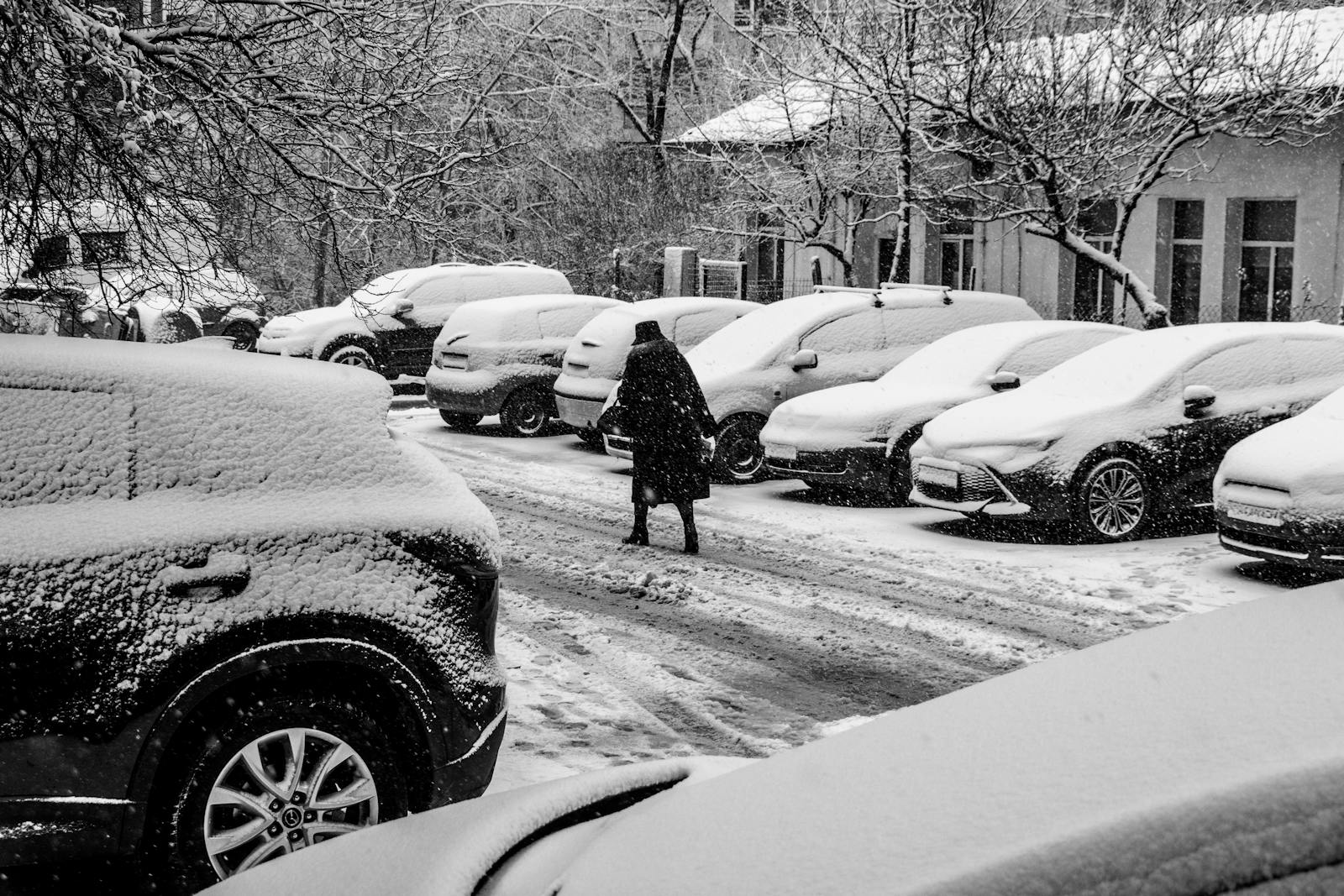

After a heavy snowfall blankets a city like Chicago or Philadelphia, the same scene plays out on residential streets: lawn chairs, traffic cones, upturned recycling bins, and the occasional ironing board appear curbside, each one a silent claim on a rectangle of freshly shoveled asphalt. The tradition is decades old, deeply felt, and increasingly volatile. What was once a matter of unwritten neighborhood etiquette has become a source of fistfights, viral videos, and pointed crackdowns by city officials who say the practice is flatly illegal.
The core question never changes: if you spend an hour digging your car out of a snowbank, do you have a right to that spot when you return? Millions of people in snow-belt cities believe the answer is yes. Their local governments, almost universally, say no.
How the tradition took hold
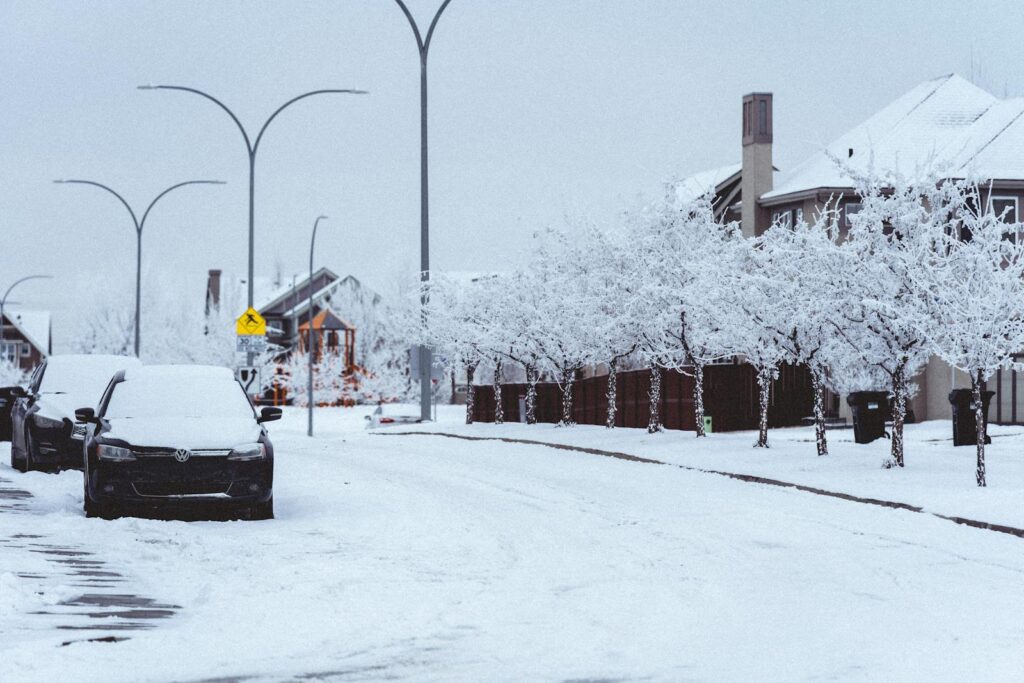
Space-saving after snowstorms has roots that stretch back generations in the urban Northeast and Midwest. In Chicago, the custom is widely associated with the blizzard of January 1967, when 23 inches of snow paralyzed the city for days and residents carved out individual parking bays by hand, then defended them with whatever was available. The habit never went away. As of the winter of 2025-2026, Chicagoans still deploy plastic chairs, sawhorses, and strollers as informal “dibs” markers, a practice so embedded in local culture that it has its own recurring debate in the Chicago Tribune.
Pittsburgh has a similar tradition, sometimes called “parking chairs,” with its own set of unspoken rules about how long a marker can stay before neighbors consider it expired. In South Philadelphia, the practice is known as “savesies,” and it resurfaces with every significant snowfall along the narrow rowhouse streets where curbside parking is already scarce.
When lawn chairs become flashpoints
For years, the worst consequence of ignoring someone’s space-saver was a nasty note on the windshield or, in extreme cases, a keyed door panel. That has changed. Police departments in several cities reported a spike in physical confrontations tied to parking disputes during the winter of 2025-2026.
In Pittsburgh, a video showing a heated standoff over a “stolen” shoveled spot circulated widely on social media earlier this year, with neighbors filming from windows as two drivers argued in the street. In the Philadelphia region, officers issued public warnings after at least one parking dispute escalated into a brawl, cautioning residents that a minor slight over a cleared space can spiral into something dangerous.
The stakes can go higher than bruised egos. In 2010, a man in Chicago’s Bridgeport neighborhood was fatally shot during a dispute over a shoveled parking spot, a case that remains a reference point whenever the “dibs” debate resurfaces. While deadly outcomes are rare, the incident illustrates how quickly tensions can escalate when people feel their labor is being stolen.
Cities push back with rules and removal crews
Local governments are drawing harder lines. Boston is one of the few cities that has formally tolerated space-saving, allowing residents to hold a shoveled spot for up to 48 hours after a declared snow emergency. But even Boston officials have urged restraint, and the city removes markers once the 48-hour window closes.
Most other cities offer no such grace period. Baltimore officials reminded residents during the most recent storms that placing chairs or other objects in the street to reserve parking is illegal and that items left in the roadway would be collected and discarded. Philadelphia takes a similar stance: during declared snow emergencies, vehicles on designated routes must be relocated before the posted deadline, and the city has run public campaigns against “savesies” since at least 2013. Crews in some neighborhoods now sweep cones and furniture into trucks ahead of the second plow pass.
Chicago’s official position is that “dibs” markers are not sanctioned, though enforcement has historically been inconsistent. Some aldermen have quietly tolerated the practice in their wards while others have called for strict removal, leaving residents to navigate a patchwork of block-by-block norms.
Public opinion splits right down the block
Polls and social media threads show that residents are genuinely divided. On Staten Island, an informal Instagram poll by the Staten Island Advance / SILive.com asked a blunt question: if you shovel out a spot, is it yours until the snow melts? Responses split roughly down the middle, with one camp invoking sweat equity and the other insisting that public streets belong to everyone.
That divide often tracks with how much effort a given storm demands. A dusting that melts by noon generates little conflict. A 15-inch dump that takes homeowners two hours of back-breaking shoveling to clear a single car-length of curb? That is when the chairs come out and the arguments begin.
Searching for a truce on frozen asphalt
Urban planners and transportation researchers say the space-saving fight is really a symptom of a deeper problem: too many cars competing for too little curbside space, a crunch that snow only makes worse. Some cities have experimented with temporary post-storm parking permits or directed residents to public lots and garages during emergencies, but none of these fixes have gained wide traction.
Short of adding parking capacity or reducing car ownership, the most realistic path forward may be the one Boston has tried: a clear, time-limited window that acknowledges the labor of shoveling while reasserting that the curb is public property. Whether other cities adopt that model likely depends on how many more viral brawls and windshield notes pile up before the next big storm.
For now, the unwritten rules still vary from block to block. And somewhere in every snow-belt city, a folding chair sits in a mound of gray slush, daring the next driver to move it.
More from Wilder Media Group: