
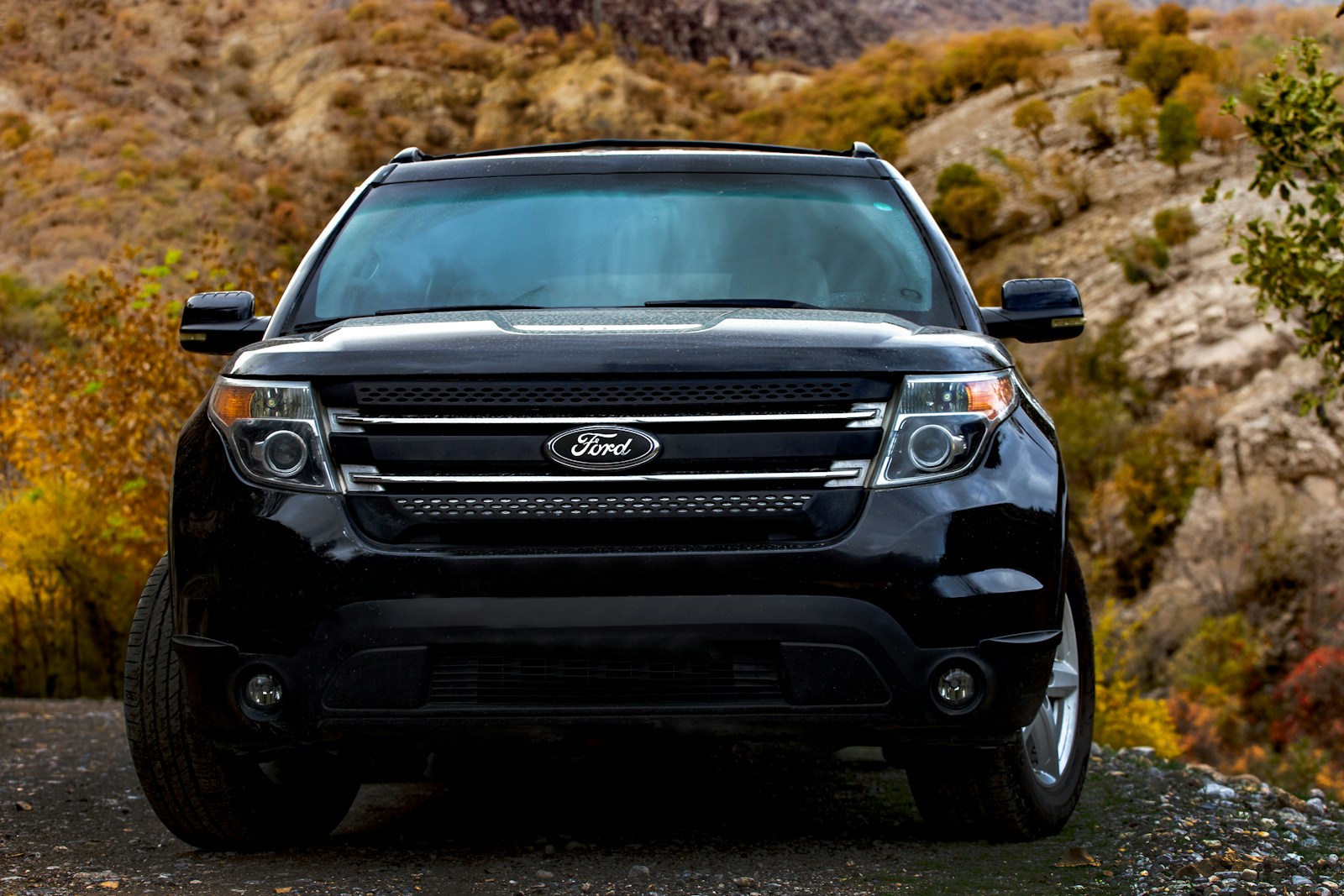

Ford built its modern fortune on big trucks with big price tags. Now the company is reversing course. Over the past year, Ford has laid out plans for five new vehicles priced under $40,000, a $30,000 electric pickup, and a return to sedans and minivans it abandoned less than a decade ago. The goal: win back the middle-class buyers its own pricing helped push out of showrooms.
The strategy amounts to the most significant product-mix shift at Ford since the company killed off most of its car lineup in 2018. Whether it can execute without bleeding money is the central question hanging over Dearborn heading into 2027.
How $50,000 became Ford’s problem
During the semiconductor shortage of 2021 and 2022, Ford’s average transaction price climbed to roughly $51,000 per vehicle. Thin inventory and surging demand made that profitable in the short term, but it also trained the company and its dealers to depend on high-margin trucks and SUVs.
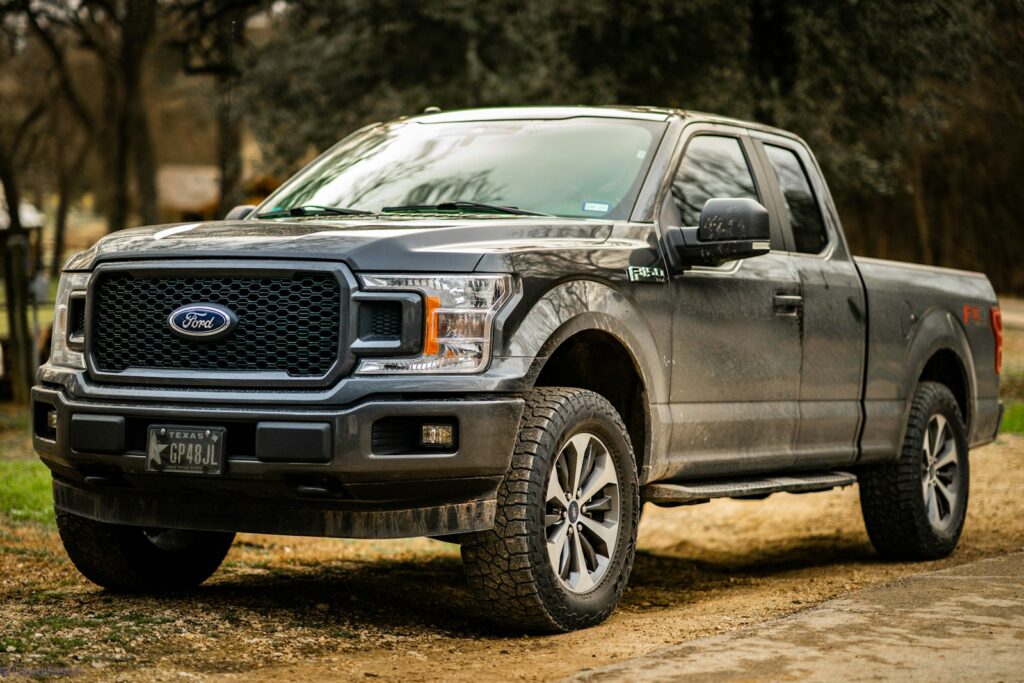
The hangover has been real. As inventory normalized, Ford found itself competing for a shrinking pool of buyers who could still afford a $55,000 F-150 or a $50,000 Explorer. CEO Jim Farley has acknowledged the disconnect publicly, telling audiences that Ford needs products everyday families can actually buy. Internal briefings have framed affordability not as a feel-good initiative but as a strategic necessity for long-term volume growth.
Wall Street has taken notice. Analysts covering Ford’s truck-strategy reset have pointed to sub-$40,000 pickups as the heart of the current catalyst story, signaling that investors see margin-rich $70,000 Super Duties alone as an incomplete business plan.
Five new models under $40,000
Ford plans to introduce five new vehicles priced below $40,000 by the end of the decade, according to Automotive News reporting. The lineup is expected to span subcompact and compact segments with a mix of powertrains, including gas, hybrid, and fully electric options.
Details remain thin on specific nameplates, but Ford executives confirmed the broad plan at the 2025 National Automobile Dealers Association conference, framing it as a direct response to rising costs and inflation that have squeezed buyers out of the new-car market, as Gear Patrol reported. The company has also confirmed it will bring back at least one sedan, a minivan, and a successor to the Escape crossover, filling gaps that have widened since Ford axed the Fusion, Fiesta, and Taurus.
For dealers, the announcement addresses a years-long complaint: showroom traffic dries up when the cheapest vehicle on the lot costs $35,000 and the average one costs far more. A broader, lower-priced lineup should pull in the kind of foot traffic that also generates service revenue and trade-in volume.
The $30,000 electric truck and the platform behind it
The centerpiece of Ford’s affordability push is a midsize electric pickup, confirmed for a 2027 launch with a target starting price of around $30,000. For context, that would undercut the current base Toyota Tacoma by thousands and slot below the gas-powered Ford Maverick in price.
The truck will ride on what Ford calls its Universal EV Platform, a clean-sheet architecture developed by a small “skunkworks” team that started outside the company’s traditional engineering hierarchy before being folded back into Ford proper. The team’s mandate was to rethink every assumption about how an electric truck gets designed and built.
Several technical choices reflect that philosophy. The body structure reportedly uses just two major stampings where a conventional truck might use dozens, dramatically reducing tooling costs and assembly complexity. A smaller battery pack, paired with an aerodynamically efficient body shorter than a Toyota RAV4, is designed to keep the sticker price low without sacrificing usable range. Ford is also building the platform around efficiency from first principles, betting that a lighter, simpler vehicle needs less battery to deliver acceptable range.
The Universal EV Platform is not a one-truck play. Ford has described a new modular production system at its Louisville assembly plant that is designed to support multiple body styles on the same line, giving the company flexibility to scale up whichever variants sell best.
Sedans, minivans, and compact EVs fill the gaps
Beyond the electric truck, Ford is rebuilding the parts of its lineup it stripped away. The company has confirmed plans for a sedan, a minivan, and compact crossovers, a portfolio that looks a lot like what Ford sold a decade ago but updated with modern powertrains.
On the electric side, Ford has mapped out new compact crossover EVs for 2026 and 2027. Farley has described the company’s future as a blend of hybrids, extended-range electric vehicles (EREVs), and affordable battery electrics, with a more focused “Ford Blue” gas and hybrid lineup running alongside a leaner EV portfolio by 2030, as EV.com reported.
The minivan revival is particularly notable. No major American automaker currently sells a minivan other than the Chrysler Pacifica, and that vehicle’s future under Stellantis remains uncertain. If Ford can deliver a competitively priced people-mover, it would enter a segment with almost no domestic competition.
Cutting costs without building penalty boxes
Promising a $30,000 electric truck is one thing. Actually building it profitably is another, especially for a company whose EV division, Ford Model e, reported operating losses of $4.7 billion in 2024.
Ford’s answer centers on manufacturing simplification. The Universal EV Platform’s reduced part count, modular design, and streamlined assembly are all meant to pull costs out of the production process rather than out of the vehicle’s feature set. The Maverick serves as a proof of concept: a small, affordable truck that still feels well-equipped and has consistently been one of Ford’s strongest sellers since its 2021 launch.
Tariffs present a wild card. As of early 2026, uncertainty around import duties on batteries, steel, and components from key trading partners could shift the cost equation for any automaker building affordable EVs domestically. Ford’s decision to anchor the new platform at its Louisville plant may partly reflect a hedge against that risk, keeping final assembly on American soil.
What this means for buyers and the competition
If Ford delivers on these plans, buyers who have been priced out of the new-vehicle market since 2021 will have options they haven’t seen from a major American brand in years. A $30,000 electric pickup, a sub-$40,000 sedan, and an affordable minivan would represent a genuine shift in what Ford puts on dealer lots.
The competitive implications are significant. GM has its own affordable EV ambitions with the Equinox EV (starting around $34,000), and Hyundai and Kia continue to expand their value-oriented electric lineups. Tesla’s long-promised cheaper model remains a moving target. Ford’s five-model blitz, if it arrives on schedule, would be among the most aggressive affordability pushes from any legacy automaker.
The risk is execution. Ford has announced and then scaled back EV plans before, most notably when it took a $19.5 billion charge related to earlier electric-vehicle bets. Hitting a $30,000 price point on an American-made electric truck while turning a profit would be genuinely unprecedented. But if any traditional automaker has the truck credibility and manufacturing scale to attempt it, Ford is the obvious candidate.
The first real test arrives in 2027, when the midsize electric pickup is scheduled to roll off the line in Louisville. Until then, the strategy is a promise. A compelling one, but a promise all the same.
More from Wilder Media Group: