
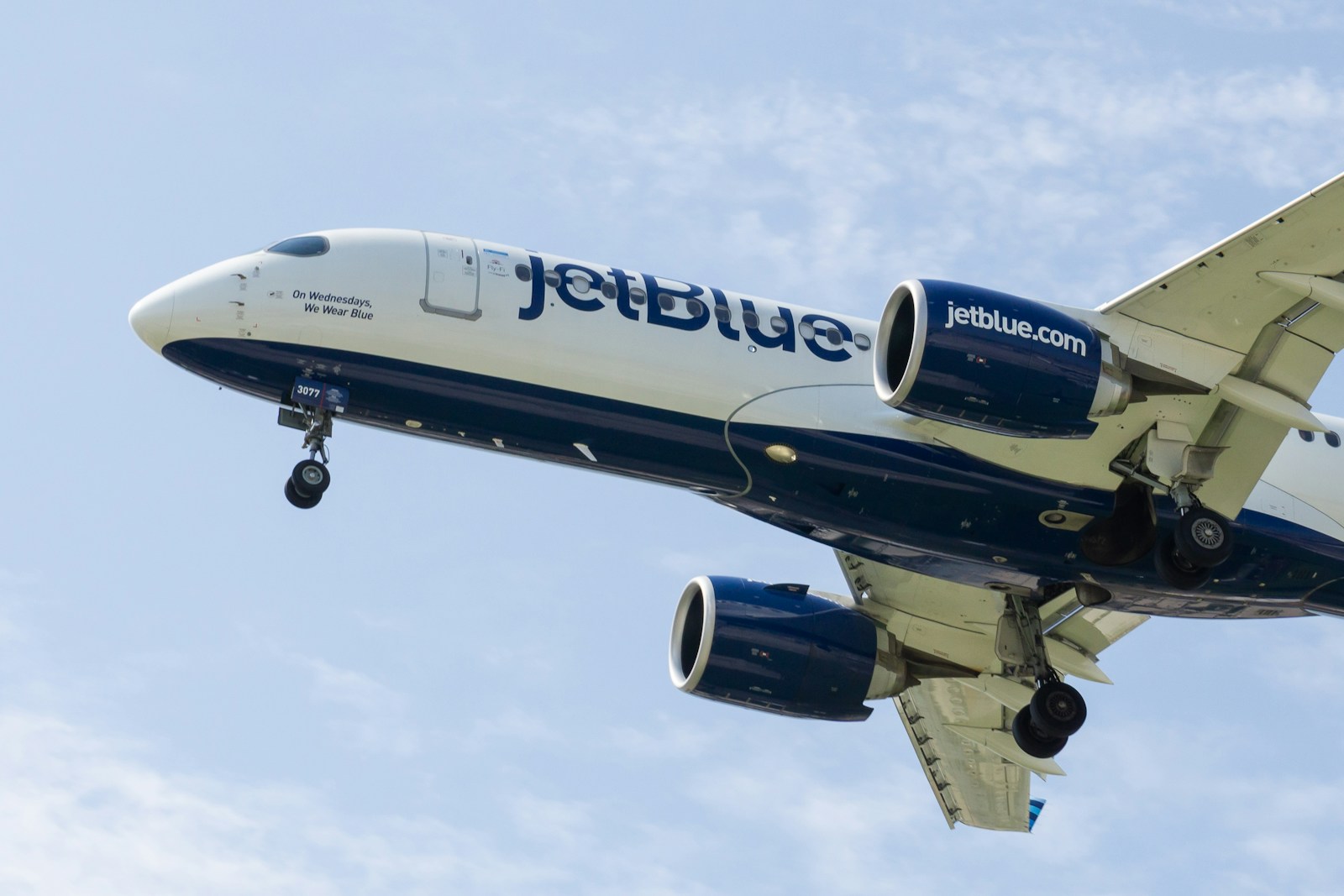

JetBlue passengers experienced unexpected delays in the early hours of Tuesday, March 10, 2026, when the airline requested a nationwide ground stop that halted departures across its entire network. The Federal Aviation Administration lifted the ground stop after JetBlue resolved a brief system outage, allowing flights to resume after approximately an hour of disruption.
The ground stop took effect at 12:55 a.m. Eastern time and was lifted around 2:10 a.m., affecting travelers primarily in the Northeast where JetBlue maintains its largest operations. The airline attributed the disruption to a technical system outage but provided limited details about what caused the problem or how many passengers were impacted by the delays.
This incident adds to JetBlue’s recent operational challenges, raising questions about the airline’s technical infrastructure and its ability to maintain reliable service. The disruption highlights the broader vulnerabilities that airlines face when critical systems fail, even briefly, and the ripple effects such outages can have across the aviation industry.
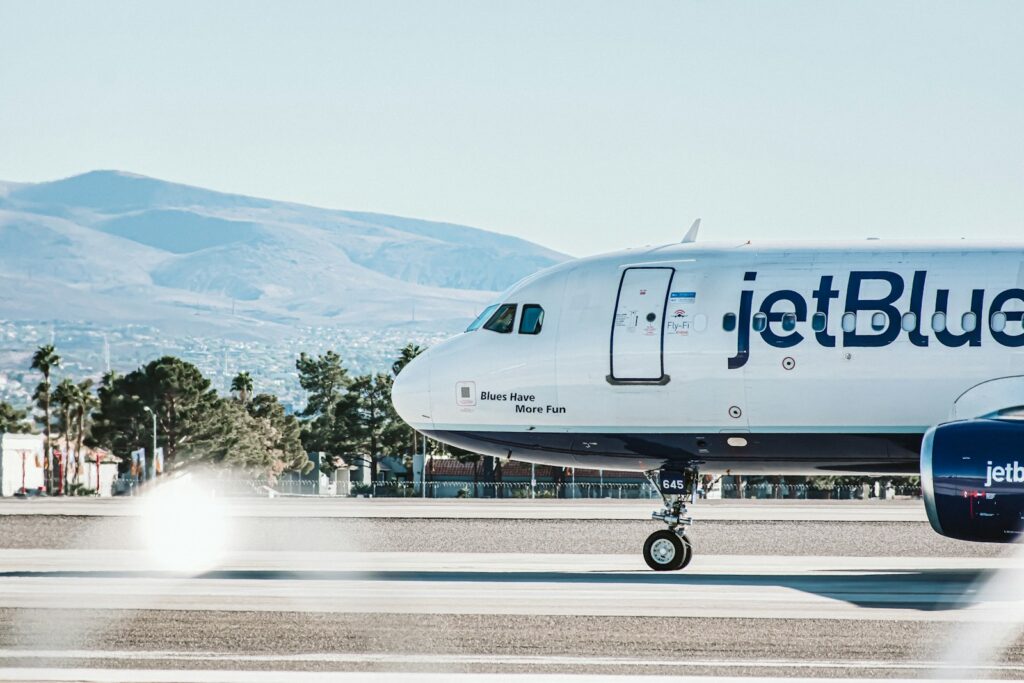
JetBlue Flights Resume After Nationwide FAA Ground Stop
JetBlue requested a nationwide ground stop early Tuesday morning due to a system outage that temporarily halted departures, though the disruption was resolved within approximately one hour.
Internal IT Issue Prompting the Ground Stop
The Federal Aviation Administration issued the ground stop at JetBlue’s request after the airline experienced an internal IT issue that affected its operational systems. When airline systems go down, crew members lose access to critical real-time data including passenger lists and weather updates, making it unsafe to clear planes for departure.
JetBlue confirmed the technical problem in a statement, saying “A brief system outage has been resolved and we have resumed operations.” The airline has not disclosed specific details about the nature of the system failure that triggered the nationwide halt.
According to the FAA, operations returned to normal after JetBlue addressed the IT problem. The incident follows a pattern of technology-related disruptions affecting major U.S. carriers, as similar issues have impacted American Airlines, United Airlines, and Alaska Airlines throughout 2025.
Timeline and Duration of the Ground Stop
The FAA grounded all JetBlue flights starting at 12:35 a.m. ET on Tuesday, March 10, according to an advisory posted on the Air Traffic Control System Command Center. The ground stop was lifted at 1:30 a.m., lasting slightly over one hour.
The Federal Aviation Administration’s advisory confirmed the cancellation of the ground stop after JetBlue resolved its technical issues. Aircraft already in the air during the ground stop continued to their destinations, as is standard protocol for such situations.
Immediate Impact on JetBlue Operations and Passengers
Despite the nationwide scope of the ground stop, travel disruptions remained minimal. FlightAware data showed JetBlue reported just one canceled flight and 27 delays on Tuesday.
The timing of the ground stop, occurring overnight during a low-traffic period, helped minimize passenger impact. JetBlue resumed normal operations shortly after the issue was resolved.
The airline advised passengers to:
- Confirm flight status via the JetBlue app
- Check the travel alerts page for updates
- Prepare backup plans in case of delays
Passengers flying JetBlue on Tuesday experienced far less disruption compared to previous airline ground stops, such as Alaska Airlines’ October 2025 outage that resulted in over 360 cancellations affecting tens of thousands of travelers.
Technical Disruptions and Airline Industry Impact
JetBlue’s recent IT outage joins a growing pattern of technology failures that have affected multiple major U.S. carriers in 2025 and 2026, with airlines like Alaska Airlines and American Airlines experiencing similar system disruptions that grounded flights and stranded passengers.
Recent IT Outages Affecting U.S. Airlines
The airline industry has faced a wave of technology-related ground stops throughout 2025. These incidents have exposed vulnerabilities in the digital systems that carriers rely on for daily operations.
United Airlines experienced a connectivity issue in September 2025 that forced the airline to halt departures across the U.S. and Canada. The brief system outage occurred just before midnight Central Time on a Tuesday, though the airline managed to resume normal operations relatively quickly.
American Airlines dealt with a technology issue in late June 2025 that delayed approximately 28% of its flights. The problem prevented gate agents from boarding passengers and blocked pilots from accessing critical flight plans.
Alaska Airlines requested a ground stop in October 2025 after a failure at its primary data center triggered a significant IT outage. The disruption affected both Alaska and Horizon Air flights, leading to over 360 cancellations that impacted tens of thousands of passengers.
Comparisons With Major Airlines: Alaska Airlines and American Airlines
The severity of airline system outages varies considerably based on how quickly technical teams can restore operations. Alaska Airlines’ October 2025 incident proved far more damaging than JetBlue’s recent disruption.
While JetBlue’s ground stop lasted approximately one hour and resulted in just one canceled flight and 27 delays, Alaska Airlines’ data center failure caused widespread travel disruptions. The airline issued a flexible travel policy to support affected guests and apologized publicly on X for the inconvenience.
American Airlines’ technology issue in June 2025 created operational challenges that persisted longer than a typical ground stop. With nearly 28% of flights delayed, the carrier faced significant passenger frustration as the system failure impacted both ground operations and flight crew access to essential information.
Lessons Learned for Airline Technology Resilience
These recurring IT outages highlight the critical importance of backup systems and redundancy in airline operations. When systems fail, crew members lose access to passenger lists, weather updates, and other real-time data necessary for safe flight operations.
Airlines have begun implementing more robust contingency plans following these incidents. The frequency of technology-related ground stops in 2025 has prompted carriers to reassess their IT infrastructure and disaster recovery protocols.
Ground stops requested by airlines remain relatively rare compared to weather-related delays, making the recent cluster of system outages particularly noteworthy. The aviation industry’s increasing dependence on digital systems means that even brief connectivity issues can cascade into significant operational disruptions affecting thousands of travelers.
More from Steel Horse Rides: