
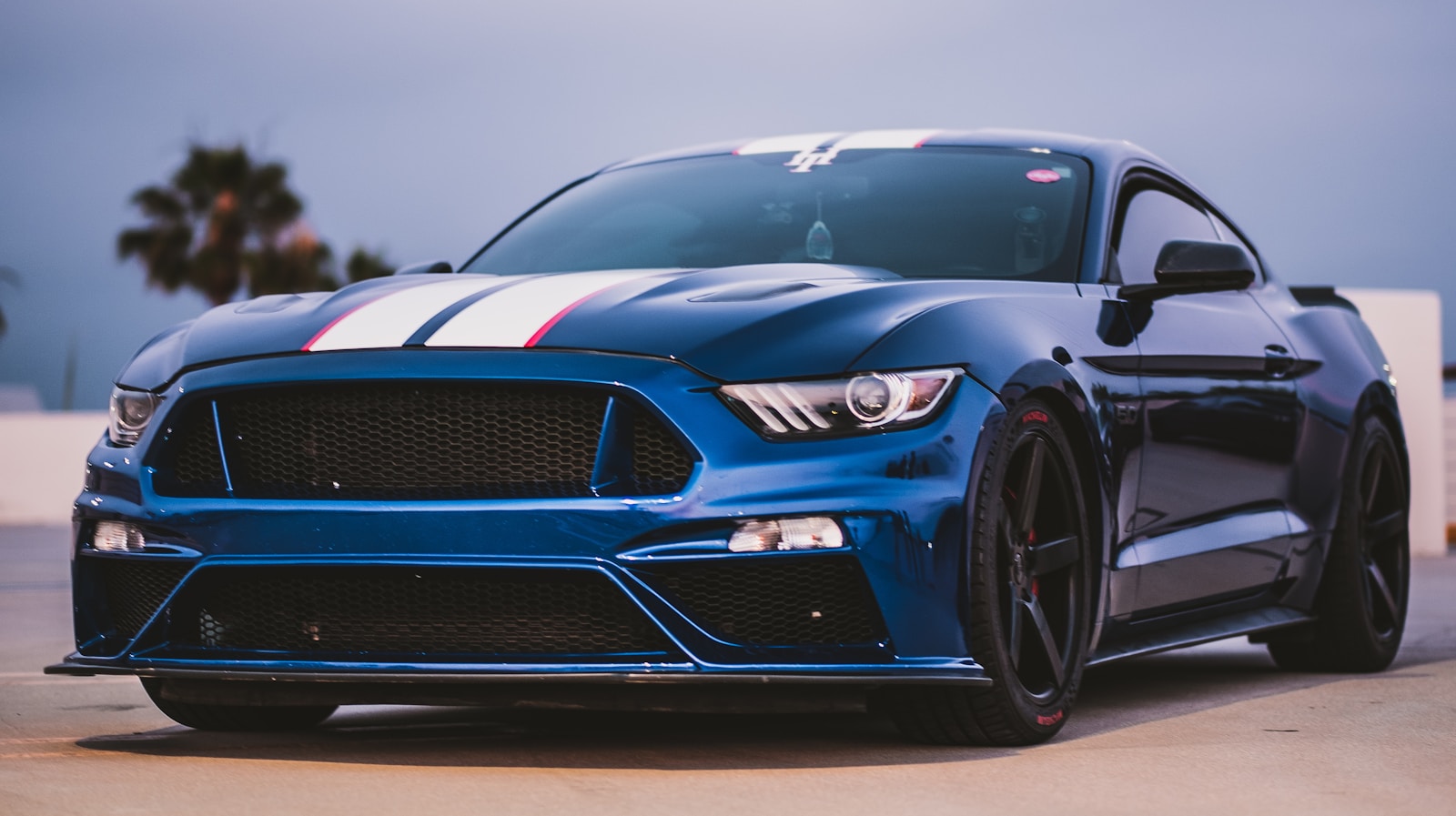

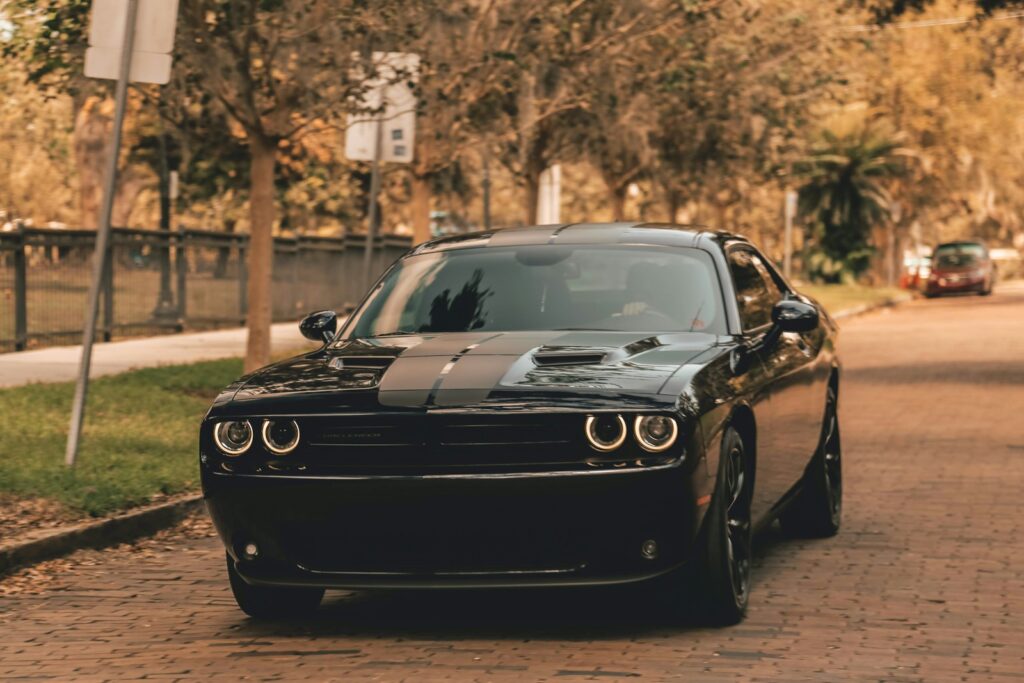
The muscle car rivalry between Dodge and Ford has entered a new chapter, and the 2026 Dodge Charger Sixpack faces off against the Ford Mustang GT in a battle that’s anything but predictable. The Charger arrives with a twin-turbocharged inline-six engine and all-wheel drive, while the Mustang sticks to its V8 roots and rear-wheel-drive layout. Both cars promise thrilling performance, but only one can claim the crown.
After extensive track testing, the Ford Mustang GT emerged as the winner, thanks to its lighter weight, superior handling, and more responsive naturally aspirated V8 engine that delivered better real-world performance despite similar acceleration numbers. The Charger Sixpack managed to match the Mustang’s 0-60 time at 3.7 seconds, but the Ford pulled ahead in rolling acceleration tests and cornering grip.
The results reveal more than just lap times. These cars represent different philosophies about what a modern muscle car should be, with the Charger offering luxury and practicality alongside its performance credentials while the Mustang remains focused on driving excitement above all else.
Track Test: Dodge Charger Sixpack vs Ford Mustang GT
The numbers tell a compelling story when these muscle cars meet at the test track, with both machines posting nearly identical straight-line times despite vastly different approaches to power delivery. Where they diverge is in handling dynamics and everyday practicality, revealing strengths that cater to different priorities.
Performance Showdown: Acceleration, Quarter Mile, and Top Speed
Both cars hit 60 mph in exactly 3.7 seconds during testing, a testament to the Charger Sixpack’s sophisticated launch control system that allows the Hurricane inline-six to build boost before the timer starts. The quarter-mile results were nearly identical—12.1 seconds at 116 mph for the Charger and 12.2 seconds at 118 mph for the Mustang GT.
The Coyote V8 shows its advantage in rolling acceleration tests. The Mustang GT’s naturally aspirated 5.0-liter engine and quick-shifting 10-speed automatic proved more responsive than the 3.0-liter twin-turbo setup. The Ford beat the Charger’s 4.8-second 5-to-60-mph time by 0.8 second and won both the 30-to-50-mph and 50-to-70-mph sprints by half a second.
At higher speeds, the Charger Scat Pack pulls ahead with a 0.8-second advantage to 150 mph. Its claimed 177-mph top speed significantly outpaces the Mustang GT’s electronically limited 155 mph.
Handling and Braking Dynamics Compared
The Mustang GT’s performance advantage becomes clear in cornering and braking tests. Equipped with Pirelli P Zero PZ4 summer tires and the GT Performance package, it posted 0.97 g on the skidpad compared to the Charger’s 0.90 g on Goodyear Eagle Sport all-season rubber.
Braking distances reveal the 905-pound weight difference between these cars. The Mustang stops from 70 mph in just 149 feet, while the 4,889-pound Charger requires 177 feet—a significant 28-foot gap that matters on winding roads.
The Mustang feels more responsive and agile through corners, with its 3,984-pound curb weight making it easier to place precisely. The Charger Sixpack handles surprisingly well for its size but never lets drivers forget its bulk. Summer tires aren’t currently available on the gas-powered Charger, only the electric Daytona variant.
Real-World Usability and Versatility
The Charger offers 23 cubic feet of cargo space through its power liftback, dwarfing the Mustang’s 13-cubic-foot trunk. Heated rear seats and an available full glass roof position it as a luxury coupe that can serve as a practical family vehicle.
The Mustang GT takes a more focused approach. Optional Recaro seats hug occupants tightly, and the cramped rear seat makes clear this is a driver’s car first. Its purpose-built nature appeals to enthusiasts who don’t need versatility.
Standard all-wheel drive gives the Charger an edge in varied conditions, though the rear-drive mode allows for tire-smoking antics. The Mustang sticks with rear-wheel drive exclusively, staying true to traditional muscle car formula.
Powertrains, Technology, and Everyday Driving
The Charger Sixpack relies on a twin-turbocharged inline-six while the Mustang GT sticks with naturally aspirated V8 power, creating fundamentally different driving experiences. Beyond the engines themselves, these American muscle cars diverge in their approach to transmissions, drivetrain options, and interior packaging.
Engine Specifications and Unique Features
The 2026 Dodge Charger Sixpack uses a 3.0-liter Hurricane twin-turbocharged inline-six that produces 550 horsepower and 531 lb-ft of torque in high-output form. This engine delivers immediate and linear power once you’re moving, though initial throttle tip-in can feel touchy around town.
The 2026 Ford Mustang GT counters with its familiar Coyote V8, a naturally aspirated 5.0-liter engine making 500 horsepower and 418 lb-ft of torque. While the Mustang gives up 50 horsepower on paper, it weighs significantly less at 4,028 pounds compared to the Charger’s hefty 4,876 pounds.
The Hurricane’s refined character sounds more like a BMW M4 than a traditional American muscle car. The Coyote V8 maintains the baritone roar that muscle car enthusiasts expect, giving the Mustang a clear advantage in auditory drama.
Transmission, Drivetrain, and Driving Modes
The Charger Sixpack comes exclusively with an eight-speed automatic transmission and all-wheel drive. The gearbox behaves well during everyday driving but becomes less cooperative when pushed hard on track, resisting some downshifts and delivering paddle shifters without a satisfying detent.
The Mustang GT offers a choice between a six-speed manual and a 10-speed automatic, maintaining the traditional muscle car experience for enthusiasts who prefer rowing their own gears. The Mustang attracts those who value manual transmission options and a sportier driving experience.
The Charger’s all-wheel-drive system helps it put down power more effectively, especially when launching from a standstill with launch control engaged. The Mustang GT remains rear-wheel drive, staying true to its pony car heritage.
Interior Comfort, Space, and Connectivity
The Charger appeals to those seeking a spacious and versatile muscle car with modern features, offering four doors in sedan form or two doors in coupe configuration. The interior feels special with attention to detail that elevates it above typical muscle car cabins.
The Mustang GT provides a more traditional sports coupe layout with less overall passenger and cargo space. Both vehicles come equipped with modern infotainment systems and connectivity features expected in 2026 models.
The Charger’s ride quality is on the stiff side, which contributes to solid handling but can feel a bit flinty on poorer road surfaces. It maintains poise and composure on highways and sweeping mountain roads with nicely weighted, direct steering.
Ownership Costs and Overall Value
The Mustang GT is the less expensive option between these two American muscle cars, giving it an advantage for budget-conscious buyers. The Charger Sixpack commands a premium for its advanced twin-turbo technology and all-wheel-drive capability.
Fuel economy considerations favor neither vehicle particularly well, as both prioritize performance over efficiency. The turbocharged Hurricane engine may offer better fuel economy during relaxed driving compared to the naturally aspirated Coyote V8.
Maintenance costs could differ significantly, with the Charger’s complex twin-turbo setup potentially requiring more expensive service than the Mustang’s simpler V8 architecture.
More from Steel Horse Rides: