
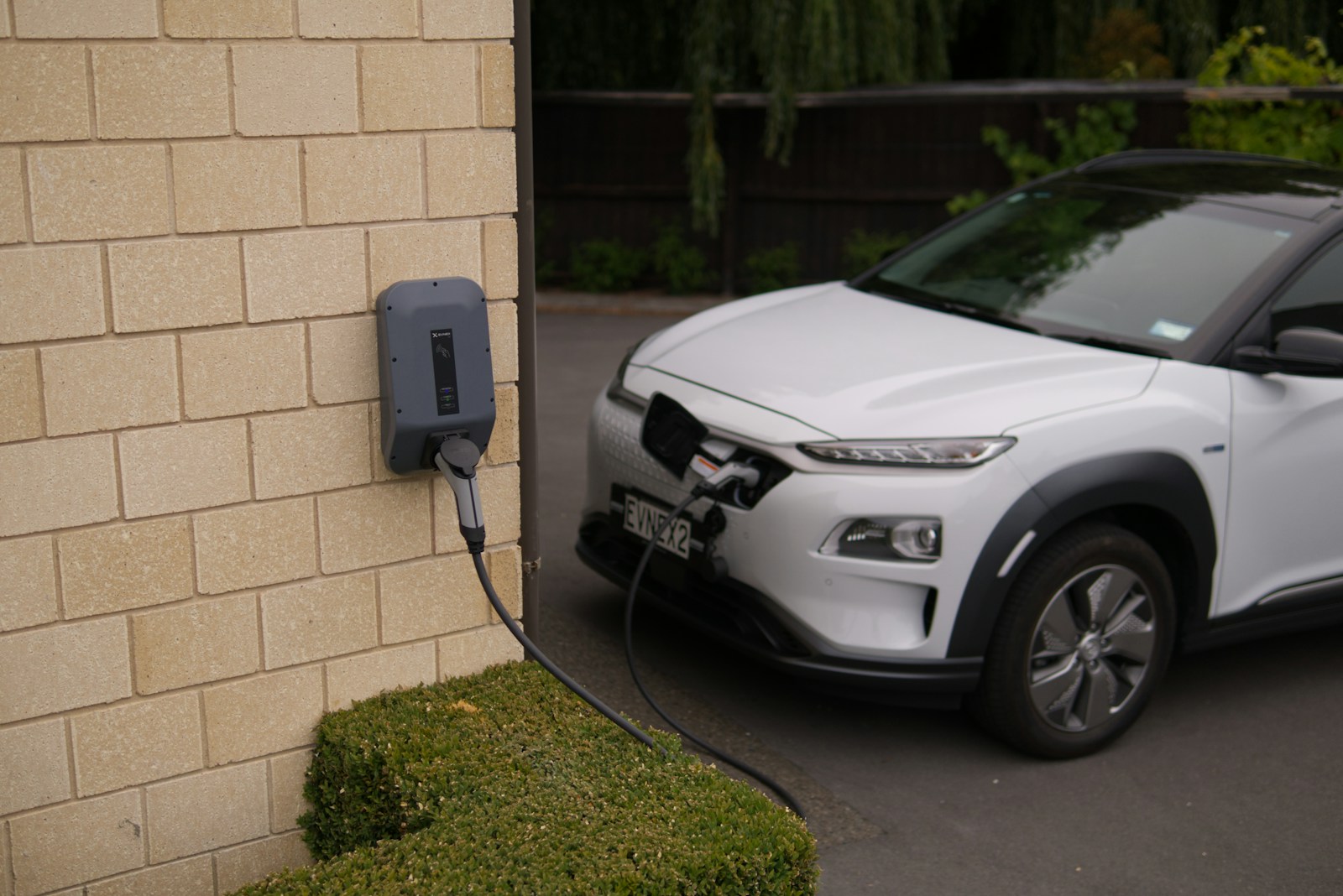

Americans are turning to electric vehicles at an unexpected pace as gas prices surge in early 2026. Rising gas prices are pushing more U.S. car shoppers toward EVs as consumers look for ways to avoid volatile fuel costs, with data showing increased interest in electrified vehicles across the country. The shift comes as war in Iran drives up the price of oil and gas, prompting drivers to reconsider their transportation choices.
The trend mirrors past consumer behavior during times of fuel instability. During the 1970s oil crisis, Americans shifted to smaller, more fuel-efficient cars when prices climbed. Today’s drivers face a different landscape with electric vehicles offering a path away from gas pumps entirely.
The question many Americans now face is whether making the switch makes financial sense for their specific situation. While new electric cars cost more on average than new gas-powered cars, the math becomes more complex when factoring in fuel savings, available incentives, and the duration of elevated gas prices.

How Rising Gas Prices Are Accelerating the Shift to Electric Cars
Current gasoline prices are reshaping American car buying habits, with drivers increasingly turning to electric vehicles and hybrids as fuel costs climb. Data from automotive research firms shows a measurable uptick in EV interest coinciding with recent price surges at the pump.
Current Trends in Gasoline and Fuel Prices
Oil and gasoline prices are climbing as tensions in Iran intensify and other global conflicts disrupt supply chains. The national average has reached $3.48 per gallon, while California drivers face particularly steep prices at $5.20 per gallon.
The fuel price surge stems from geopolitical instability affecting oil-producing regions. These spikes mirror historical patterns from the 1970s oil crisis and 2008 price increases, when Americans shifted toward smaller, more fuel-efficient vehicles.
Drivers of gas-powered vehicles face greater vulnerability to price fluctuations resulting from international conflicts compared to those who charge their cars. The current volatility has reminded businesses operating vehicle fleets about the financial risks embedded in gasoline and diesel fuel dependence.
Impact of High Gas Prices on EV Interest and Consideration
Rising gas prices are beginning to influence car shopping behavior, according to Edmunds data showing early signs of increased interest in electrified vehicles. The automotive research firm has documented measurable changes in consumer browsing patterns and inquiry rates for EVs.
Electric vehicles function as protection against fuel price fluctuations, offering buyers insulation from the volatility affecting traditional fuel markets. This advantage becomes particularly apparent during periods of geopolitical tension that disrupt oil supplies.
High gas prices are fueling demand for electric vehicles as drivers seek ways to reduce their fuel costs. Experts anticipate that prolonged elevated prices may accelerate the transition away from gasoline-powered transportation.
Consumer Purchasing Behavior: EVs, Hybrids, and Plug-In Hybrids
Car shoppers are paying closer attention to electrified vehicles as fuel costs rise, though higher financing costs and vehicle prices present obstacles. The auto industry is watching whether increased EV interest translates into actual sales growth.
California’s electric vehicle market is experiencing a boost driven by tensions in Iran that have pushed pump prices significantly higher than the national average. Federal EV tax credits provide additional incentive for consumers considering the switch.
Hybrids and plug-in hybrid vehicles are attracting buyers who want fuel efficiency without fully committing to battery-electric models. These electrified vehicles offer a middle ground for drivers concerned about charging infrastructure availability.
Fleet operators are increasingly likely to go electric as oil price volatility highlights the financial risks of maintaining gas and diesel vehicles. Commercial buyers often have more predictable driving patterns that make EV adoption easier to plan.
Financial and Practical Considerations for Switching to Electric Cars
The economics of switching to an electric vehicle involve upfront purchase costs, long-term fuel savings, and the increasingly complex relationship between electricity prices and global energy markets. Battery technology improvements and charging infrastructure also play critical roles in determining whether the transition makes financial sense for individual buyers.
Vehicle and Ownership Costs: EVs vs Gas-Powered Cars
New electric vehicles still carry a price premium compared to their gas-powered counterparts. According to Kelley Blue Book data, new EVs sold for an average of $55,300 last month, while new vehicles overall averaged $49,353.
This roughly $6,000 difference represents a significant barrier for many buyers. Automakers continue working to bring costs down through improved manufacturing processes and economies of scale.
The gap extends beyond just the sticker price. Some experts have raised concerns about national security implications related to EVs because China dominates significant parts of the EV supply chain. These supply chain dependencies could affect both pricing and availability in the coming years.
Federal incentives that previously helped offset the higher upfront costs have been withdrawn. Kevin Ketels, an assistant professor at Wayne State University who drives a 2026 Chevrolet Blazer EV, called the removal of these incentives “a terrible mistake” that puts the U.S. “at a disadvantage globally.”
Potential Savings on Fuel and Maintenance
Despite higher purchase prices, EV owners can expect substantial savings on fuel costs over the vehicle’s lifetime. Peter Zalzal, an attorney with Environmental Defense Fund, said people who buy EVs have “really substantial” gas savings even without government tax credits.
“We’re talking about thousands and thousands of dollars” in savings, Zalzal noted. Those savings grow larger as gas prices increase.
The national average for regular gas reached $3.57 per gallon in mid-March 2026, up from $2.94 a month earlier due to the Iran war and other global conflicts. Meanwhile, residential electricity prices remain regulated and much less volatile than gasoline prices, according to University of California, Davis economics professor Erich Muehlegger.
Michael B. Klein, a software developer in Illinois who has driven EVs for eight years, pointed out another advantage. Every time grid efficiency improves through added renewables, “I get that benefit no matter what,” he said. Gas-powered vehicles require purchasing a new car to benefit from improved fuel economy.
The Role of Used EVs and Supply Chain Constraints
The used EV market offers a more affordable entry point for buyers concerned about upfront costs. These vehicles provide access to electric transportation without the premium pricing of new models.
However, the EV supply chain faces ongoing constraints that affect both new and used vehicle availability. Global conflicts and dependencies on foreign manufacturers for critical components create uncertainties around pricing stability and production capacity.
Battery electric vehicles require sophisticated electronics and advanced features that rely on complex international supply chains. Disruptions to these networks can ripple through the market, affecting both availability and pricing in ways that differ from traditional automotive manufacturing.
Electricity Prices and Clean Energy Implications
While EV owners are largely insulated from oil price shocks, electricity bills have been increasing nationally for various reasons, including surging power demand from new data centers. Holt Edwards, principal in Bracewell’s Policy Resolution Group, described the Iran war as “an inflationary event” that contributes to rising electricity costs, though probably not as the primary driver.
The impact on electricity prices depends heavily on each region’s power mix. Natural gas prices haven’t risen as quickly or dramatically as oil prices recently, but higher natural gas costs can still increase the cost of generating electricity. Regulators typically set residential electricity prices annually, which shelters most households from month-to-month fluctuations.
Columbia University’s Pierpaolo Cazzola explained that the variation in energy component pricing is smaller in the U.S. than elsewhere. Different energy sources—coal, nuclear, and renewables—all factor into local grid costs.
Ketels believes the connection between environmental concerns and energy policy has become clearer through recent events. He argues that EVs and renewable energy should be strategic priorities because they can be produced domestically “and we don’t have those fluctuations and those worries” associated with global oil markets.
More from Steel Horse Rides: