
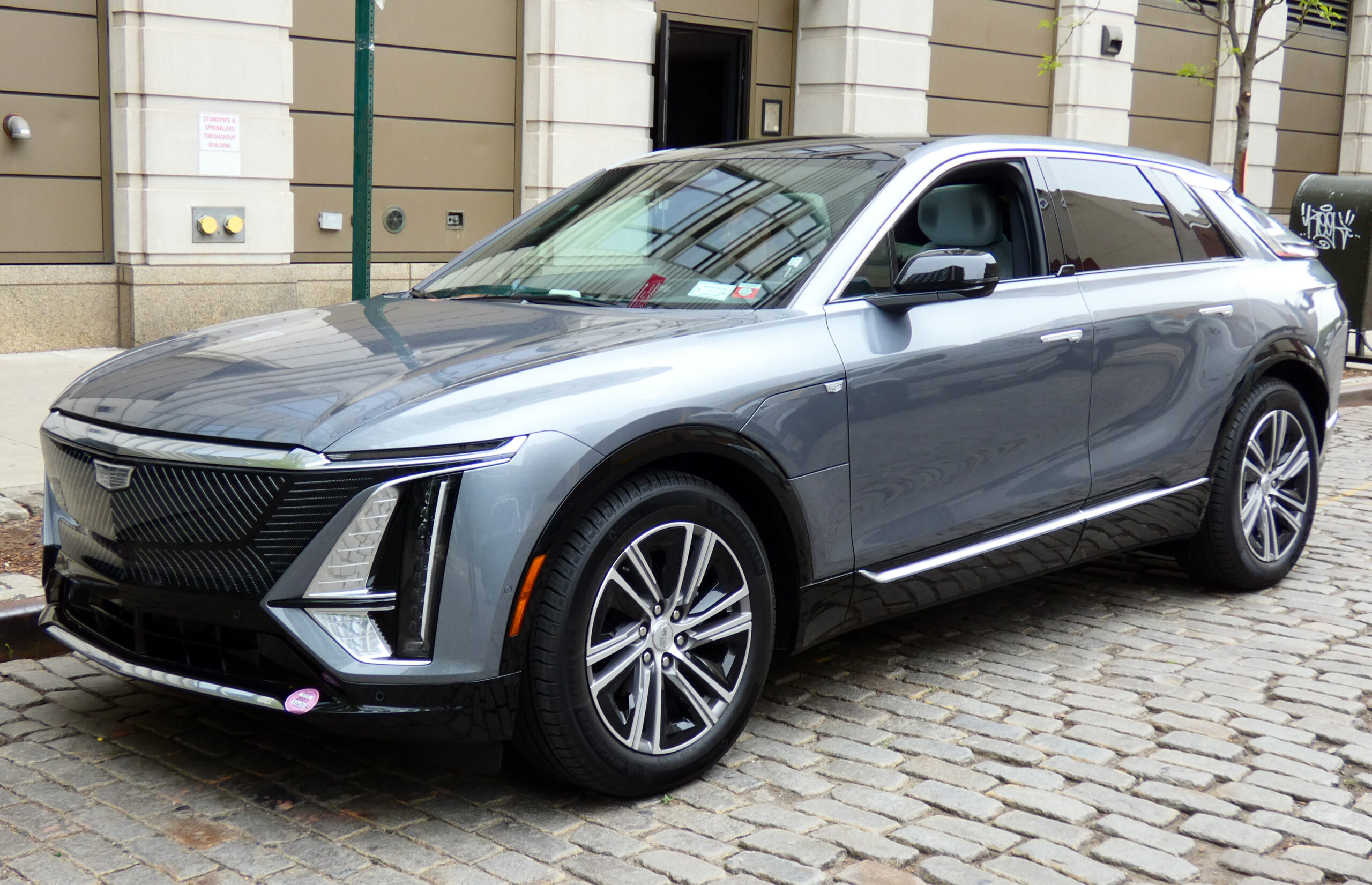

A Bay Area family’s routine trip to church turned into a frightening ordeal when their infant became trapped inside their Cadillac Lyriq after the vehicle’s 12-volt battery suddenly failed. The doors locked with the baby inside, and despite frantic attempts to use the key fob, mobile app, and OnStar services, nothing would unlock the vehicle for nearly half an hour.
The incident, which occurred in Antioch, California, ended with the baby trapped inside the Cadillac Lyriq for approximately 30 minutes before the family discovered a manual unlock method they hadn’t known existed. The family eventually had the vehicle towed to a dealership, where technicians confirmed the 12-volt battery was faulty and had caused the entire electrical system to shut down and enter lock mode.
The incident raises questions about electric vehicle safety features and whether owners receive adequate information about emergency procedures. While the family’s ordeal had a safe resolution, the experience highlights potential vulnerabilities in modern vehicle systems that rely heavily on electrical components.
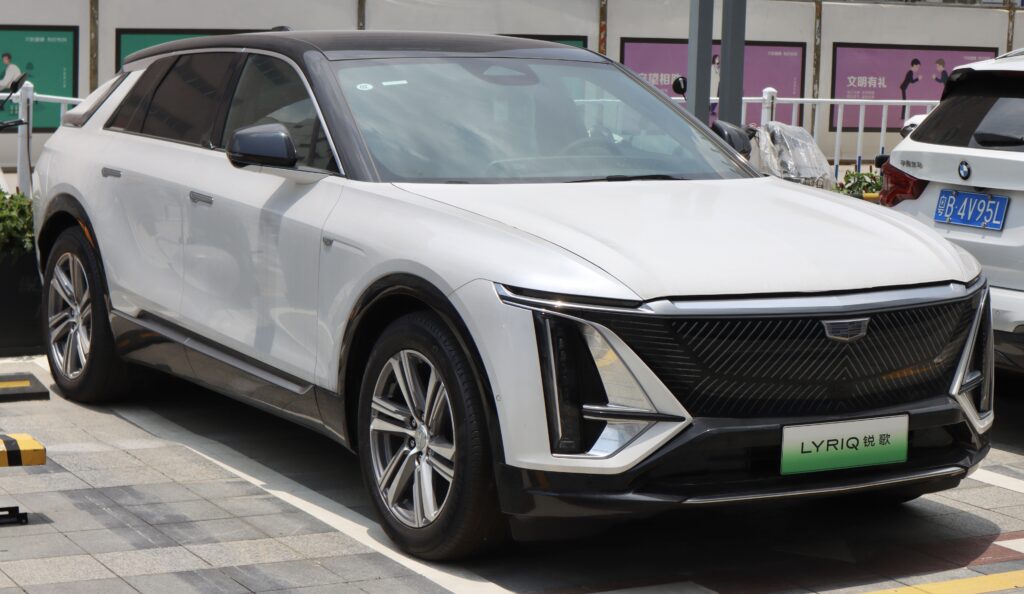
Details of the Cadillac Lyriq Lock-In Incident
On January 4, 2026, a California family’s routine church outing turned into a half-hour emergency when their 2024 Cadillac Lyriq trapped a 12-month-old baby inside after a complete electrical failure. The incident exposed critical vulnerabilities in modern electric vehicle design when Lacey Gunn found herself locked out with her infant daughter secured in a car seat.
Timeline of Events Leading to the Baby Being Trapped
Lacey Gunn was preparing to take her children to church in her parents’ 2024 Cadillac Lyriq on the morning of January 4th. She placed her 12-month-old daughter, Lyla, into her car seat and closed the rear door without incident.
When Gunn walked around to the driver’s side to load her toddler, Hazel, the vehicle’s electronic door handles refused to activate. The Cadillac EV had gone completely dark, with all power lost to the cabin systems. The timing proved particularly dangerous since the baby was already secured inside while the rest of the family remained locked out.
The incident occurred in cold winter weather, adding urgency to an already frightening situation. As minutes passed, the trapped infant began crying and showing signs of distress in the darkened vehicle.
Failed Access Methods: Key Fob, Mobile App, and OnStar
The family exhausted multiple modern entry methods without success:
- Key fob: Completely unresponsive to any button presses
- Cadillac mobile app: Remote keyless entry feature failed to communicate with the vehicle
- OnStar service: Unable to remotely unlock the doors despite advertising this capability
- Charging port: Refused to open, preventing any attempt to restore power
The OnStar representative explained that the dead battery prevented communication with the car’s computer system. General Motors’ dedicated safety service couldn’t override the lockout because the vehicle’s electrical system had crashed into lock mode. Even emergency services proved limited, as Gunn contacted 911 and debated smashing a window while her husband searched desperately for alternatives.
Rescue Solution Using the Mechanical Key
With over 20 minutes elapsed and the baby’s distress escalating, Gunn’s husband turned to ChatGPT for help. The AI provided crucial information about an emergency mechanical key hidden inside the key fob that could access a manual trunk latch.
In their panic, the family broke open the plastic fob to retrieve the metal key, though GM later confirmed a side button releases it properly. Using this mechanical key, they accessed a small latch in the trunk area that allowed them to pull the baby out through the rear hatch.
The rescue took 27 minutes from the initial lockout. The child emerged safely despite the prolonged ordeal in the cold, dark vehicle.
Aftermath: Dealership Service, Costs, and Family Response
The 2024 Lyriq was towed to a local Cadillac dealership where diagnostics revealed the problem. An OnStar diagnostic report confirmed a faulty 12-volt battery caused the electrical system failure, and technicians replaced the defective battery.
The dealership initially billed the family nearly $1,000 for replacing the key fob they broke during the rescue. Only after ABC7 News Bay Area’s 7 On Your Side team contacted General Motors did the dealership refund both the fob replacement and the family’s rental car gas costs.
The child’s grandmother, Erica Tinoco, refuses to drive the vehicle despite being halfway through her two-year lease. The Cadillac Lyriq sits unused in her driveway, and her request for a lease buyback was denied by Cadillac. According to a Lemon Law attorney, the family has no legal recourse unless the vehicle experiences multiple failed repair attempts for the same issue.
Understanding 12-Volt Battery Failures and Electric Vehicle Safety
Electric vehicles like the Cadillac Lyriq rely on 12-volt batteries to power critical systems including door locks and entry mechanisms, making battery health essential for both convenience and safety. When these batteries fail, owners can face serious complications that go beyond typical automotive inconveniences.
How a 12-Volt Battery Powers Vehicle Entry Systems
The 12-volt battery in electric vehicles operates independently from the main high-voltage battery pack. It powers essential accessories like door locks, lighting, infotainment systems, and control modules that manage vehicle functions.
In the Cadillac EV, electric door handles remain recessed when the 12-volt system fails. The vehicle’s electronic door release mechanisms require power to operate, meaning a dead 12-volt battery can prevent doors from opening even when the main battery pack holds a full charge.
This creates a particularly dangerous situation because backup entry methods become limited. Key fobs and mobile apps rely on the same 12-volt system to receive signals and activate locks. Even OnStar remote assistance cannot override a complete electrical failure tied to the 12-volt battery.
Common Causes and Symptoms of 12-Volt Battery Failure
12-volt battery problems in EVs often stem from charging system malfunctions rather than simple battery degradation. The high-voltage battery should continuously maintain the 12-volt battery’s charge, but defects in this charging mechanism can drain the smaller battery prematurely.
Warning signs include unresponsive key fobs, delayed door lock responses, and dashboard warning lights. Some Cadillac Lyriq owners have reported repeated 12-volt battery failures, with batteries dying again just weeks after replacement.
Current dealership protocols require specialized testing equipment to verify 12-volt battery issues before warranty coverage applies. This means owners experiencing problems may face resistance when seeking replacements if the battery passes diagnostic tests despite showing real-world failure symptoms.
Safety Implications in Electric Vehicles
The Bay Area incident where a baby was trapped for 30 minutes highlights critical safety concerns with electronic door systems. Parents couldn’t access their infant despite having key fobs and smartphone connectivity, creating a potentially life-threatening situation.
Most electric vehicles include manual door release mechanisms, but these emergency features aren’t always obvious or easily accessible. Knowing how to manually open electronic doors becomes crucial during 12-volt battery failures, yet many owners remain unaware these manual overrides exist.
Temperature concerns escalate quickly in enclosed vehicles. A 30-minute lockout in moderate weather could prove fatal in extreme heat or cold, making reliable electrical systems a matter of life and death rather than mere convenience.
Consumer Rights and Lemon Law Protections
Repeated 12-volt battery failures may qualify vehicles for lemon law protections under state consumer protection statutes. California’s lemon law covers vehicles with substantial defects that impair use, value, or safety and cannot be repaired after reasonable attempts.
Owners experiencing multiple battery failures within the warranty period should document each incident thoroughly. This includes:
- Service records from dealership visits
- Dates and descriptions of each failure
- Communication logs with manufacturer representatives
- Photos or videos of warning lights and dead battery incidents
Lemon law protections typically require manufacturers to either replace the defective vehicle or provide a refund if repairs fail to resolve the problem. The number of repair attempts needed varies by state, but safety-related defects often receive expedited consideration.
Manufacturers must be given reasonable opportunities to fix recurring problems before lemon law claims proceed. However, defects that create immediate safety hazards may strengthen a case for vehicle replacement even with fewer documented repair attempts.
More from Steel Horse Rides: