
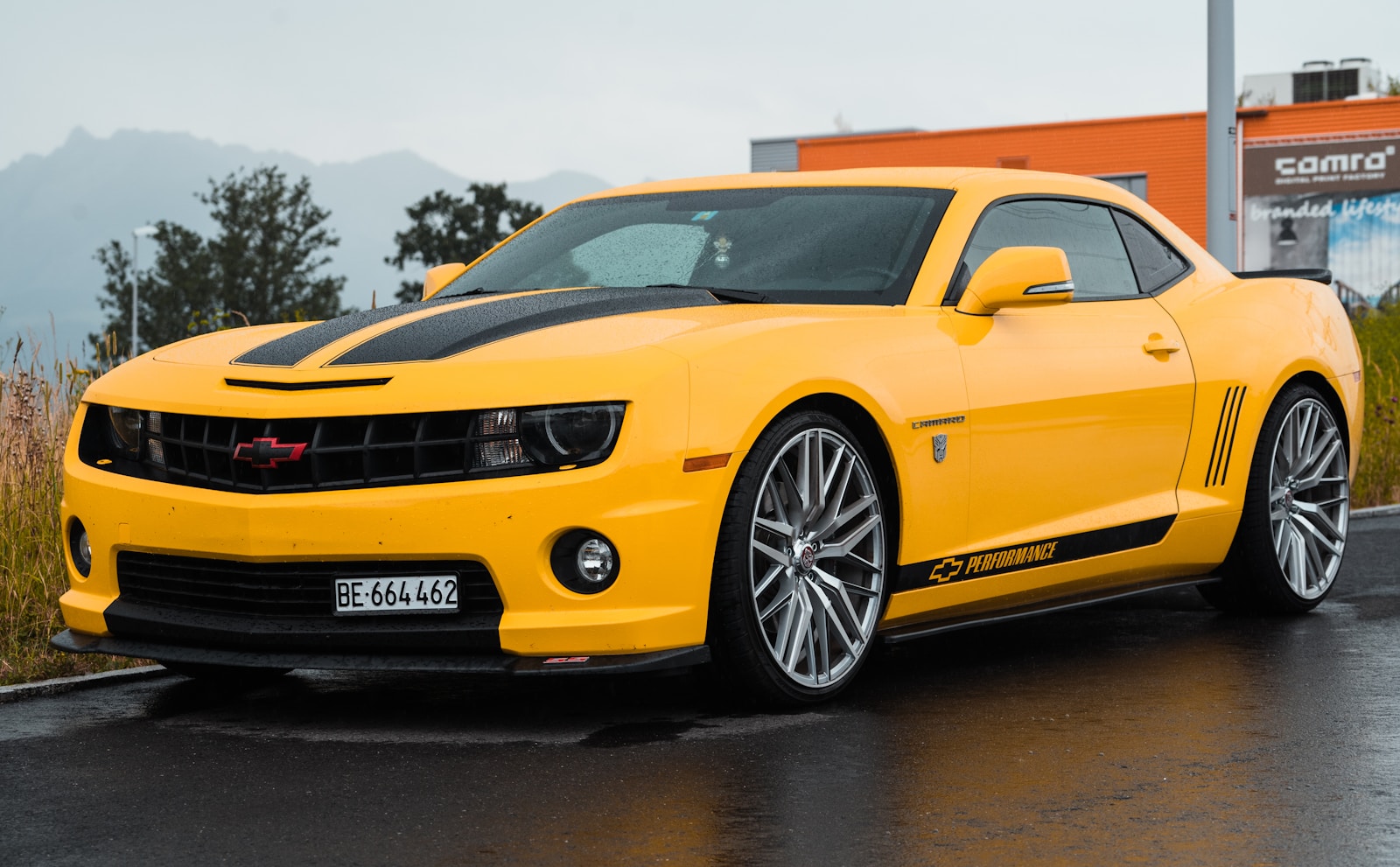

General Motors has announced a recall affecting over 90,000 vehicles due to a serious transmission defect that could cause wheels to lock up while driving. The recall covers 2020-2022 Chevrolet Camaros and multiple Cadillac CT sedan models, all equipped with the 10-speed automatic transmission.
The problem stems from a faulty transmission control valve that can wear down over time, leading to fluid leaks and harsh shifting. In more severe cases, the defect has caused momentary wheel lockup on both front and rear wheels, creating a dangerous situation for drivers. The automaker has confirmed that while only about 1 percent of affected vehicles will likely experience the problem, the potential safety risk warranted immediate action.
GM plans to address the issue through a software update that monitors valve performance and puts vehicles into a protective mode if excessive wear is detected. Owners of affected Cadillac CT4, CT5, CT6, and Chevrolet Camaro models should expect notification letters in mid-April with instructions on scheduling their free repair.

Transmission Problem Leading to Recall
General Motors identified a defect in the transmission control valve that can cause wheel lockup while driving. The problem affects over 90,000 vehicles equipped with the 10-speed automatic transmission, including multiple Cadillac CT models and Chevrolet Camaro sports cars.
Affected Cadillac CT and Chevrolet Camaro Models
The recall covers 90,081 vehicles across four model lines. GM targeted specific production years for each vehicle in the recall population.
The affected models include:
- 2020-2021 Cadillac CT4 (2,235 vehicles)
- 2020-2021 Cadillac CT5 (including CT5-V Blackwing variants)
- 2019-2020 Cadillac CT6
- 2020-2022 Chevrolet Camaro
Only vehicles equipped with the 10-speed automatic transmission fall under this recall. Models with other transmission types don’t face the same issue and aren’t included in the recall population.
How the Transmission Control Valve Defect Causes Wheel Lock-Up
The transmission control valve experiences excess wear over time inside the valve body. This wear creates a fluid leak that drops transmission pressure.
When pressure drops, the transmission can malfunction during downshifting from eighth gear. The result is a momentary wheel lockup that occurs without warning while driving.
Initially, GM reported only front-wheel lockup on all-wheel-drive models. The company later clarified that rear-wheel lockup is also possible on affected vehicles. The problem was first reported in September 2024 when a brand quality manager documented an incident involving a 2021 Cadillac CT5.
Symptoms: Harsh and Rough Shifting, Limp Mode
Drivers may notice harsh shifting as the first warning sign of the valve deterioration. The transmission behavior becomes noticeably rougher as the valve wears down.
GM’s software fix monitors the valve for excessive wear. When the system detects problems about 10,000 miles before a lockup could happen, it automatically limits the transmission to fifth gear only.
This triggers limp mode, restricting vehicle performance significantly. A “reduced propulsion” message appears on the dashboard to alert drivers. Restarting the vehicle will restore all gears temporarily, but a “service transmission” notification will display.
Safety Risks and Reported Incidents
Momentary wheel lockup while driving increases the risk of crashes. The sudden loss of control can be especially dangerous at highway speeds or in traffic.
GM estimates only 1 percent of recalled vehicles will actually experience the defect. However, the severity of potential wheel lock-up prompted the automaker to issue a voluntary recall for all affected models. Dealers received notification of the issue and repair procedures, with GM planning to contact owners in mid-April.
Recall Actions, Inspections, and Owner Guidance
GM’s recall addresses a transmission control valve defect through a software-based monitoring solution, with dealers already notified and owner notifications scheduled for mid-April 2025.
GM and NHTSA Response: Field Reports and Recall Timeline
The transmission control valve defect first came to GM’s attention on September 27, 2024, when a brand quality manager documented an incident involving a 2021 Cadillac CT5. The driver experienced front-wheel lock-up while driving, forcing the vehicle into neutral and requiring a tow. Both the engine and front differential needed replacement after the incident.
GM reported the issue to the National Highway Traffic Safety Administration after identifying the pattern across multiple vehicles. The company estimates only 1 percent of the 90,081 recalled vehicles will actually experience the defect. Despite the low projected failure rate, GM proceeded with a voluntary recall to address the safety risk before more severe incidents occurred.
Transmission Control Module Software Update Solution
Dealers will install new transmission control module software that actively monitors the transmission control valve for excess wear. The software creates an early warning system designed to prevent wheel lockup before it happens.
When the module detects excessive valve wear approximately 10,000 miles before a potential lockup could occur, it automatically limits the transmission to fifth gear only. This triggers limp mode and displays a “reduced propulsion” message to alert drivers. The limitation to fifth gear prevents the problematic downshift from eighth gear where wheel lockups typically occur.
After a new key cycle, all gears become available again, but a “service transmission” notification appears to remind owners they need dealer service.
Dealer Notifications and Owner Steps
GM has already notified dealers about the recall and the software fix. The automaker plans to send notification letters to affected owners in mid-April 2025.
Vehicle owners can verify whether their car is included in the GM recall by checking their VIN through GM’s owner center or the NHTSA recall lookup tool. The recall covers 2020–2022 Chevrolet Camaros, 2020–2021 Cadillac CT4 and CT5 models, and 2019–2020 CT6 sedans with the 10-speed automatic transmission.
The software update will be provided at no cost to owners. Affected drivers should schedule service appointments with their local Cadillac or Chevrolet dealers once they receive official notification.
More from Steel Horse Rides: