

Anyone who spends enough time on highways has eventually encountered a tailgater, the driver who sits just a few feet behind another car, flashing lights or pressuring the driver ahead to move faster. While these situations can quickly become tense, they also present a choice: react emotionally or step back and move on.
Traffic safety experts say tailgating is one of the most dangerous aggressive driving behaviors because it drastically reduces a driver’s reaction time to sudden braking or traffic changes. In fact, rear-end collisions account for roughly 29% of all motor-vehicle crashes in the United States, and following too closely is a leading cause of those accidents.
Dashcam Clip Shows a Calm Response to an Aggressive Driver
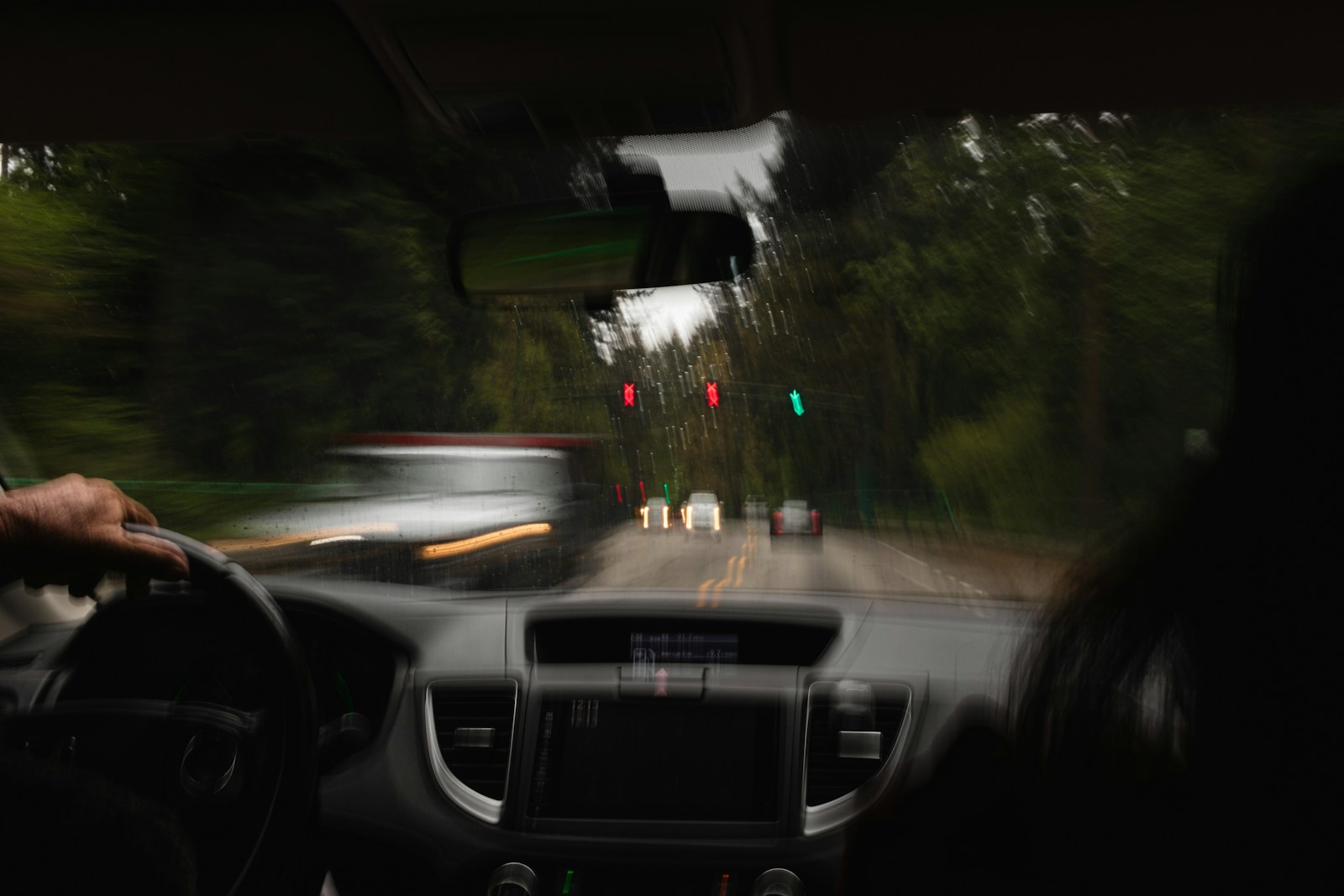
A video shared by @trisha.leazier shows a situation many drivers recognize instantly: a vehicle approaching rapidly from behind, signaling frustration.
@trisha.leazier Chick flashed her lights at us, so we passed the car and got out of her way. #roadrage #dashcamfootage #dashcam #dumbdriver #driving
In the clip, the driver explains that the car behind them begins flashing its headlights, a common signal used by impatient drivers who want the vehicle ahead to move out of the way.
Rather than responding with sudden braking, gestures, or attempts to block the other driver, the person recording the video accelerates slightly to pass the vehicle in the neighboring lane, then moves over to clear the path.
The aggressive driver can then proceed without the situation escalating further.
The moment lasts only a few seconds, but it highlights a small decision that can prevent a conflict from escalating into road rage.
Why Calm Responses Often Prevent Bigger Problems
When drivers feel pressured by tailgaters, they may respond defensively by slowing intentionally, brake-checking, or confronting the other driver.
Safety experts warn that these reactions can quickly escalate a tense situation into a dangerous one. Tailgating already increases crash risk by eliminating the safe following distance needed to stop suddenly. If both drivers react emotionally, the risk increases.
By simply allowing the faster driver to pass, many confrontations end before they escalate into serious conflict.
What Viewers Are Saying
The clip sparked an online debate about proper lane etiquette and how drivers should respond when someone approaches quickly from behind.
Some commenters argued that drivers should move out of the left lane sooner when a faster vehicle approaches from behind, saying this helps keep traffic flowing smoothly.
Others focused on the aggressive behavior of flashing headlights and tailgating, noting that such tactics can create unnecessary risk on busy roads.
Even with the disagreement in the comments, the video captures a simple reality of everyday driving: sometimes the easiest way to avoid a road-rage confrontation is to let the impatient driver go and continue on your way.