
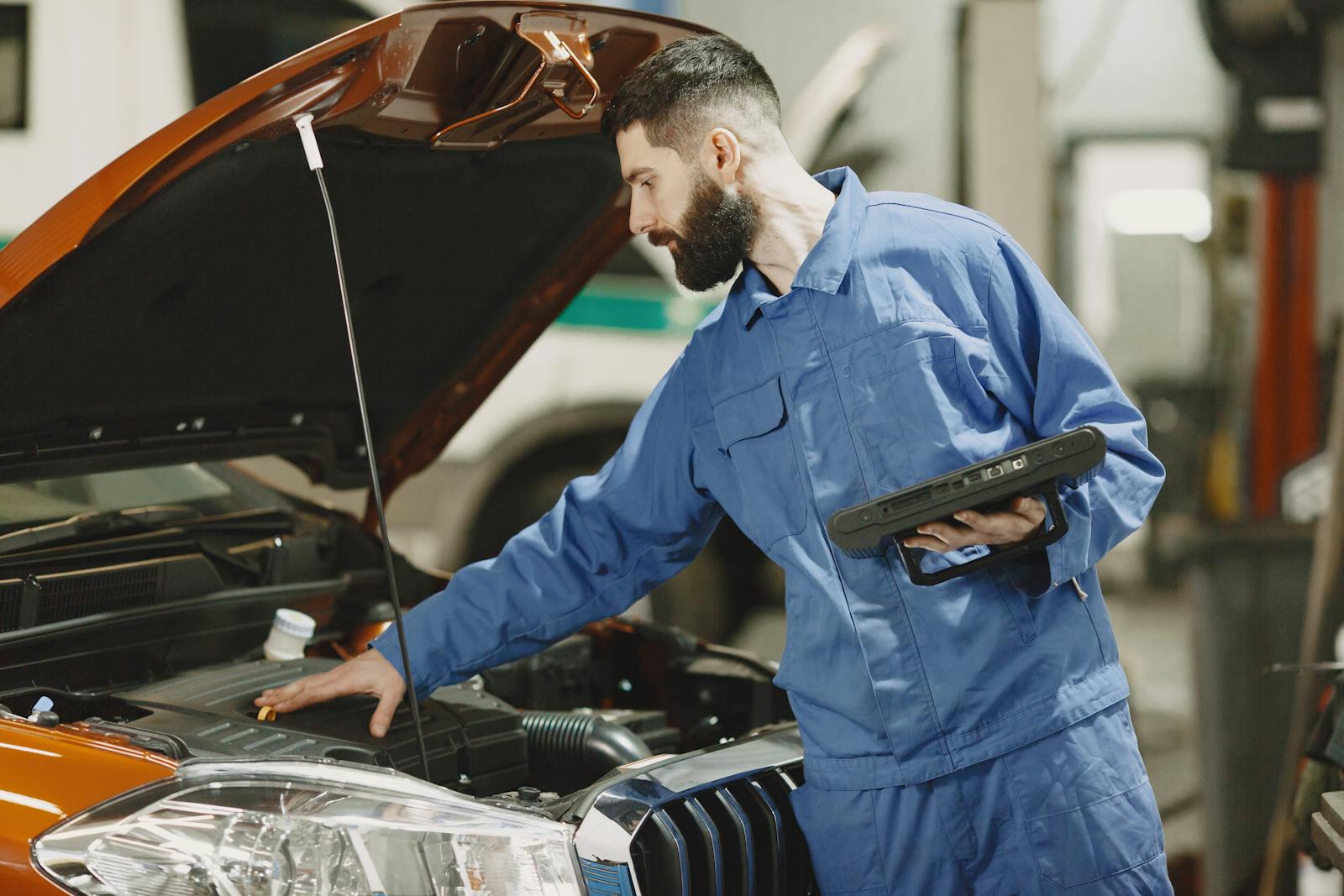

Trade jobs are often promoted as stable, hands-on careers that don’t require a traditional college path. For many young people, learning a trade is seen as a reliable way to earn income early and build long-term skills. But what’s discussed less often is the physical toll that comes with years of repetitive labor.
Jobs in automotive repair, construction, and other manual trades require constant bending, lifting, and working in tight or awkward positions. Over time, that strain can build up, especially for workers who start young and spend long hours on their feet or under vehicles. While the work can be rewarding, it can also come with long-term physical challenges that aren’t always obvious at the start.
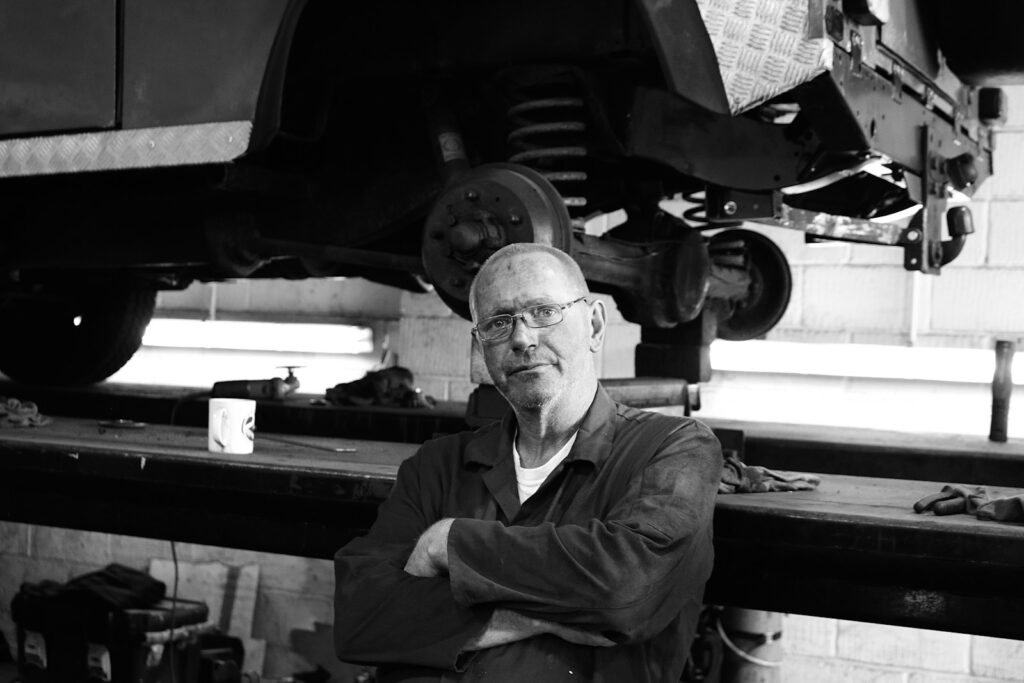
The Clip Highlights Everyday Strain Mechanics Deal With
@fernie.chrysler They said “learn a trade” They didn’t mention the back pain #bluecollarlife #shoplife #mechaniclife #pov #creatorsearchinsights
In the video shared by TikTok creator @fernie.chrysler, a mechanic describes dealing with back pain after a day of work, joking about needing relief just to feel normal again. The tone is light, but the message resonates with many viewers who recognize the experience.
The clip reflects a common part of trade work, physical discomfort that becomes routine over time. Whether it’s back strain, joint pain, or fatigue, these issues often develop gradually rather than from a single injury.
Why Trade Jobs Can Take a Physical Toll
Work in skilled trades often involves repetitive motion, heavy lifting, and extended periods in physically demanding positions. These factors can contribute to long-term wear on the body, particularly in the back, knees, and shoulders.
According to the U.S. Bureau of Labor Statistics, musculoskeletal disorders account for a significant share of workplace injuries that require time away from work, especially in physically demanding occupations. These conditions include back injuries, joint strain, and repetitive stress issues that can develop over time.
Because of this, many experienced workers emphasize the importance of proper technique, rest, and protective equipment to reduce long-term strain.
Viewers Say They’re Feeling It Early
The comment section quickly filled with reactions from viewers of all ages, many of whom said they were already experiencing similar issues.
Some younger users mentioned dealing with back or joint pain in their late teens and early twenties, while others with more experience said the effects only increase with time. A few commenters shared advice, suggesting tools or techniques that can help reduce strain during daily work.
Others reflected on the trade-off, noting that while trade careers offer valuable skills and steady income, they can also come with physical costs that aren’t always discussed upfront.
The conversation highlights a reality many workers come to understand over time: the demands of hands-on work don’t just affect the job—they can follow you long after the workday ends.