
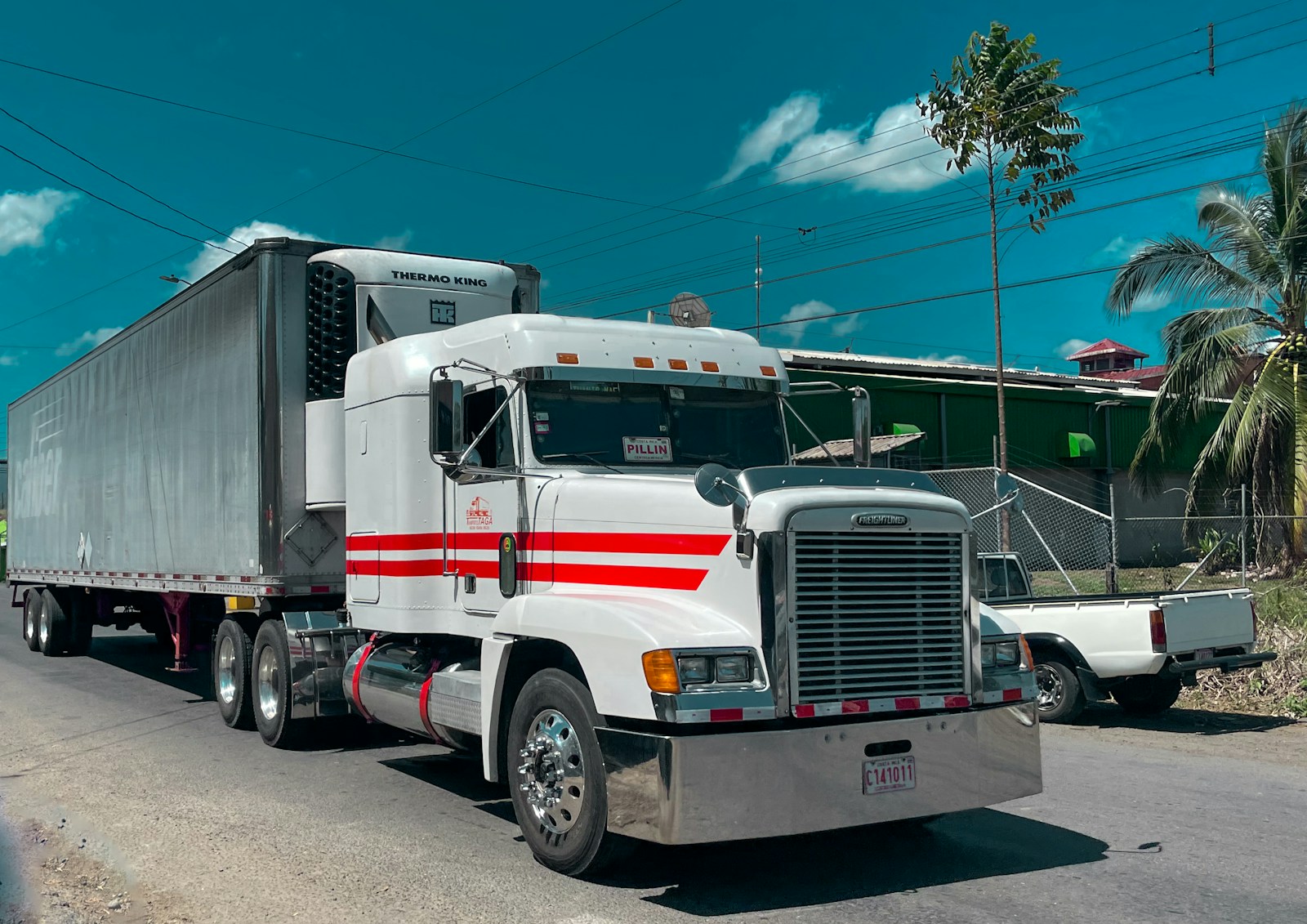

Highways are built for speed and consistency, which means even small disruptions can create serious risks—especially for large vehicles like semi-trucks. When traffic flows smoothly, drivers rely on predictability. But when something unexpected appears, reaction time becomes the deciding factor between a near-miss and a major crash.
This is even more critical on elevated roads or bridges, where space is limited, and escape routes are almost nonexistent. Drivers don’t have the same flexibility to maneuver, and larger vehicles require significantly more distance to slow down or change direction safely.
Moments like these show how quickly a routine drive can escalate when just one variable changes.
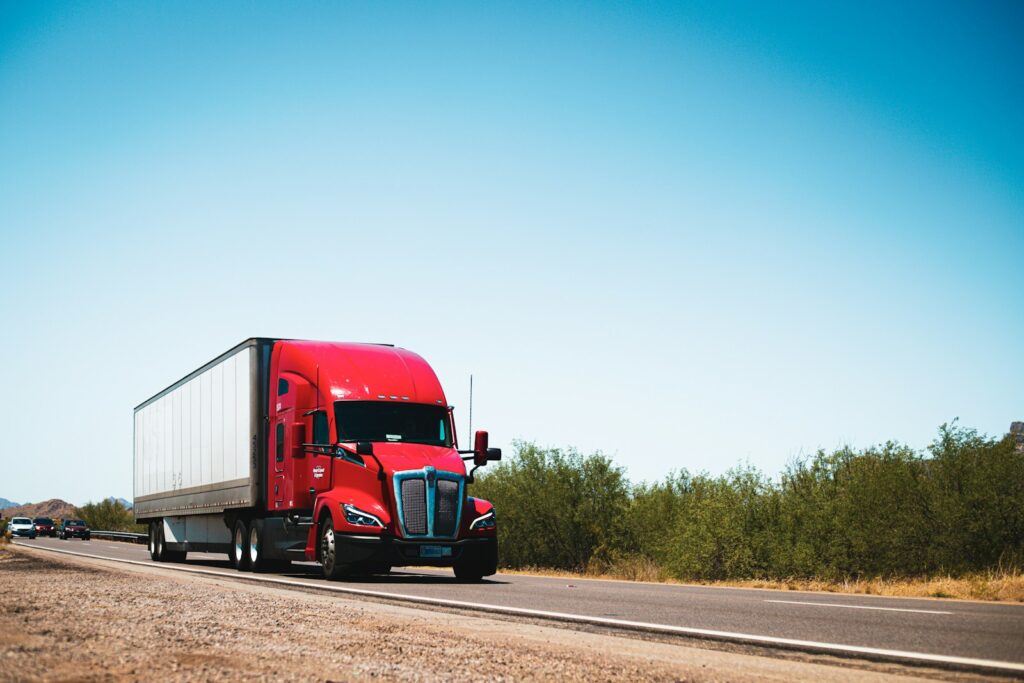
Dashcam Captures 18-Wheeler Crash on I-10 Bridge
A video shared by @zamorajose77 shows a tense moment on the I-10 bridge near Lake Charles, where traffic appears to be moving normally before the situation suddenly shifts.
@zamorajose77 We experienced this scary accident last night on our driver back to Texas. 18-wheeler crash on I-10 in Lake Charles. #calcasieuriverbridge #lakecharles #accident #18wheeler #dashcam
♬ [Raw recording] Record playback noise 01 (3 minutes) – Icy Light
In the footage, vehicles are traveling across the bridge when a car ahead appears to be moving unusually slowly, possibly struggling to maintain speed while going uphill. As traffic crests the top of the bridge, a semi-truck approaches from behind with limited visibility.
At that point, the truck driver appears to react suddenly, swerving to avoid the slower vehicle. The movement causes the truck to lose stability, veering across lanes before crashing. The impact unfolds quickly, leaving nearby drivers with little time to process what’s happening.
Within seconds, what started as a minor obstruction turns into a multi-vehicle hazard in a confined space, with no easy way for surrounding drivers to escape.
Why Situations Like This Escalate So Quickly
Incidents like this often come down to visibility, timing, and stopping distance, especially for large trucks. On bridges or inclines, drivers approaching from behind may not see slower or stopped vehicles until it’s too late to react smoothly.
According to the National Highway Traffic Safety Administration, large trucks require significantly longer stopping distances than passenger vehicles, particularly at highway speeds, which increases the risk of severe crashes when sudden hazards appear.
When a driver is forced into a last-second decision, like swerving instead of braking, the risk multiplies. Sudden steering inputs in large vehicles can destabilize the trailer, leading to loss of control.
In this case, the combination of a slow-moving vehicle, limited sightlines on the bridge, and the truck’s speed likely created a situation where there were no safe options left.
Viewers React to the Crash
The video sparked strong reactions, with many viewers focusing less on the crash itself and more on what happened immediately after.
Some questioned why no one appeared to call emergency services right away, pointing out how critical those first moments can be in a serious accident. Others debated whether it was safe, or even possible, for drivers to exit their vehicles on a narrow bridge.
A number of commenters familiar with the area highlighted the bridge itself, describing it as stressful to drive on due to its height, narrow lanes, and visibility issues.
Others focused on the cause of the crash, suggesting the truck driver may have been trying to avoid a slow-moving vehicle and simply ran out of time.
For many, the clip reinforced how quickly highway driving can turn dangerous, and how a single unexpected obstacle can set off a chain reaction with no easy way out.
More from Steel Horse Rides: