
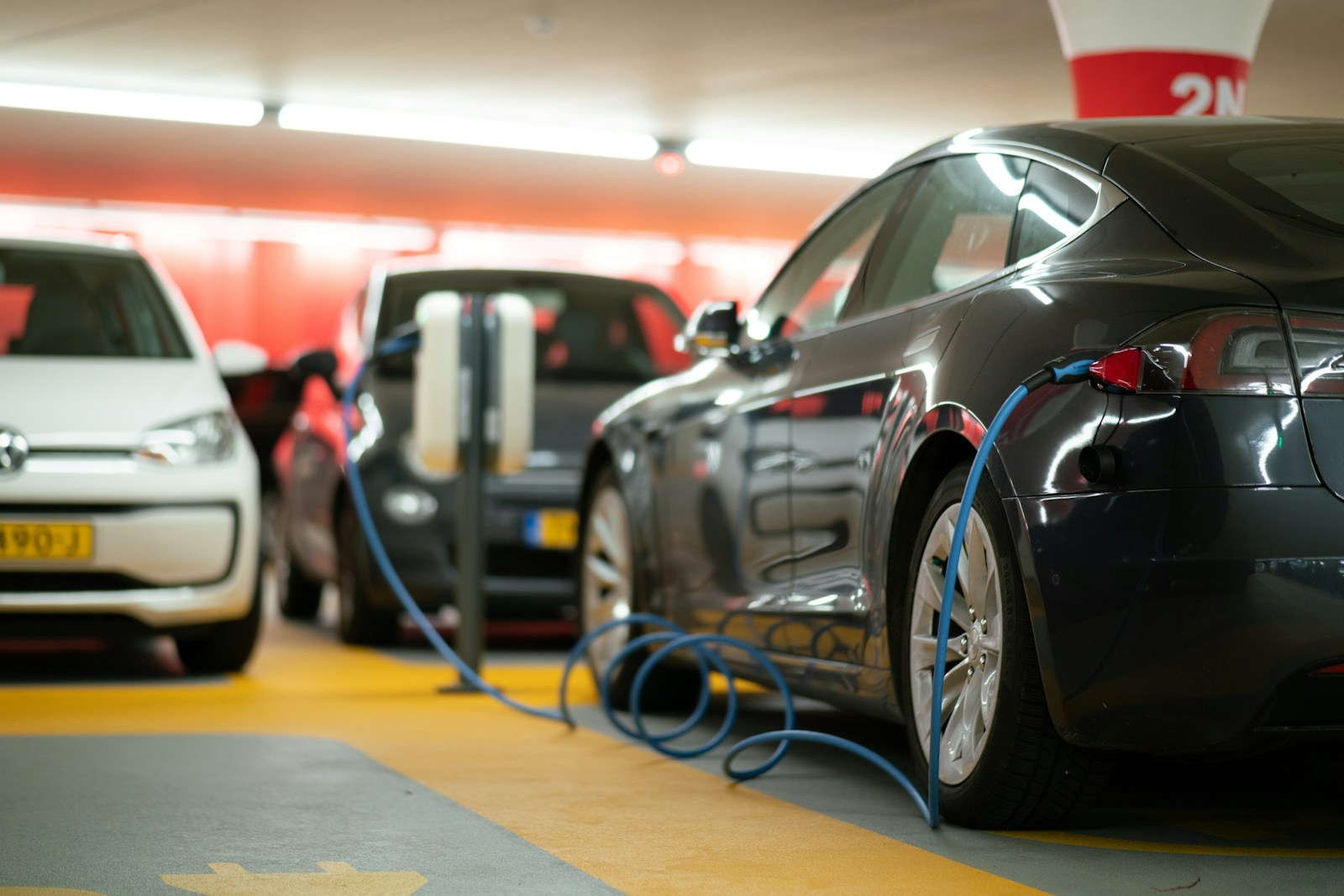

Used electric vehicles are flooding the market at tempting prices, but many first-time buyers are walking into dealerships unprepared for the questions they should be asking. While most shoppers focus on sticker price and mileage, they’re missing critical details about battery condition, warranty coverage, and charging compatibility that could mean the difference between a smart purchase and an expensive mistake.
The surge in off-lease EVs has created what looks like a buyer’s paradise, with prices significantly lower than their gas-powered counterparts. Yet buying a used EV requires different considerations than purchasing a traditional vehicle, and dealerships aren’t always forthcoming with the information buyers need.
From understanding how long batteries actually last in real-world conditions to navigating the confusing landscape of charging standards and calculating true ownership costs, there’s a lot more to the equation than meets the eye. The good news is that armed with the right information, used EVs can be some of the smartest buys in today’s car market.
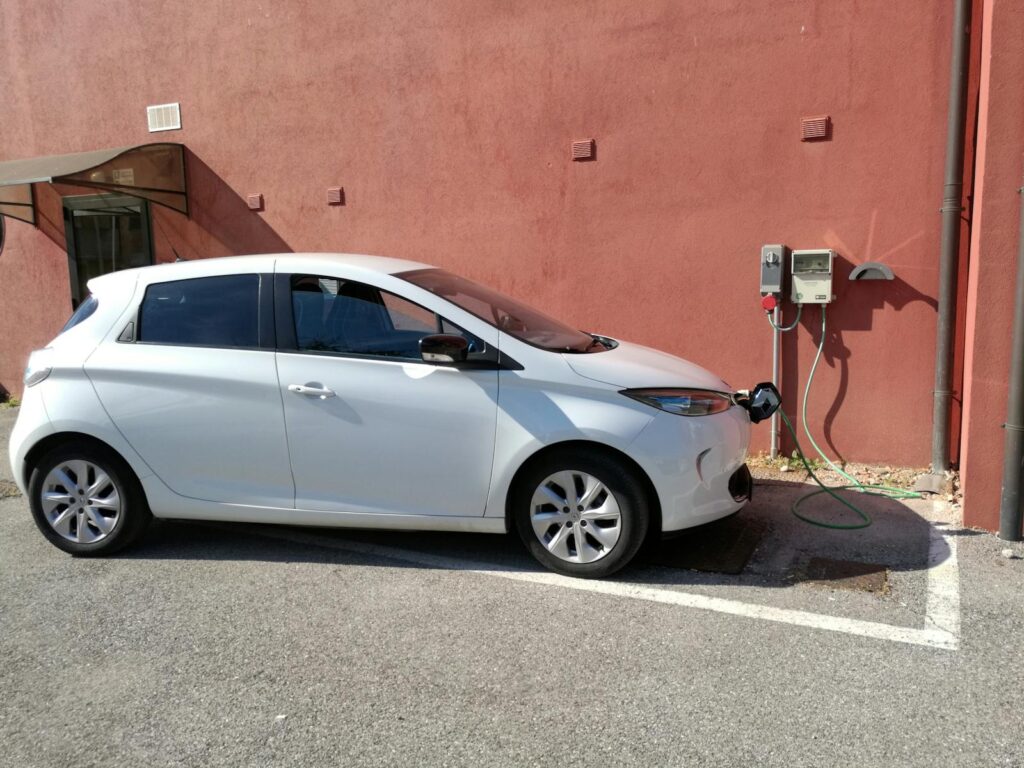
Battery Health, Lifespan, and Warranties
The battery represents the most expensive component in any used electric vehicle, yet many buyers skip thorough checks before purchase. Most used EV battery health concerns remain difficult to verify due to limited diagnostic access and inconsistent reporting standards across manufacturers.
Evaluating Battery Condition in a Used EV
Buyers face a major challenge when trying to assess the actual condition of EV batteries. Unlike conventional cars where engine health can be evaluated through standard diagnostics, electric vehicle manufacturers don’t provide universal access to battery data.
Some dealerships offer state-of-health (SOH) reports that show the battery’s remaining capacity as a percentage of its original rating. A reading of 90% means the battery holds 90% of what it did when new. However, not all dealers provide this information, and independent mechanics often lack the proprietary tools needed to generate these reports.
Checking battery health through smartphone apps works for certain brands like Nissan Leaf and some Tesla models, but coverage remains spotty. Buyers sometimes resort to comparing the vehicle’s current real-world range against the manufacturer’s original EPA rating, though this method proves less precise than direct battery testing.
Understanding Battery Degradation Over Time
Battery degradation happens gradually in all used EVs, though the rate varies significantly by model and usage patterns. A 5 to 10% capacity reduction is typical for 3-5-year-old electric vehicles and doesn’t usually impact daily driving for most owners.
Heat accelerates degradation faster than almost any other factor. EVs operated in hot climates like Arizona or Texas show faster capacity loss than those in moderate regions. Frequent fast charging also contributes to quicker degradation, though modern battery management systems have reduced this effect in newer models.
Early-generation used electric vehicles from 2012-2016 experienced more dramatic degradation than current models. First-generation Nissan Leafs, which lacked active thermal management, sometimes lost 20-30% capacity within five years in hot climates.
Battery Replacement Risks and Costs
Battery replacement represents the biggest financial risk when buying a used EV. Replacement costs range from $5,000 to $20,000 depending on the vehicle’s make, model, and battery size. A Chevy Bolt battery replacement runs around $16,000, while some luxury EV battery packs exceed $20,000.
Most buyers won’t need a replacement during their ownership period, but the possibility creates uncertainty in the used market. This fear has pushed down prices for older used EVs, particularly models known for degradation issues.
The battery replacement market remains underdeveloped compared to traditional engine rebuilds. Third-party options exist for popular models like the Nissan Leaf, but many manufacturers require dealer-installed batteries at premium prices.
Transferring and Checking Battery Warranty Coverage
Battery warranties on used electric vehicles don’t always transfer to second owners the way buyers expect. Federal regulations require EV battery warranties to last at least 8 years or 100,000 miles, and most manufacturers honor this coverage for subsequent owners.
Some brands offer better protection than others. Hyundai and Kia provide lifetime battery warranties to original owners but maintain the 8-year/100,000-mile coverage for second owners. Tesla’s warranty transfers fully, though the company reduced coverage periods on older Model S and Model X vehicles.
Buyers need to verify the exact warranty status before purchase. The warranty clock starts from the original in-service date, not the purchase date of the used vehicle. A three-year-old used EV typically has five years or approximately 70,000 miles remaining on the battery warranty, assuming it hasn’t exceeded the mileage cap.
Charging Efficiency, Connector Types, and Real-World Ownership Costs
A used EV’s charging capabilities often tell a different story than the original specs sheet. Battery chemistry changes over time, connector standards have evolved rapidly, and what seemed like a minor charging difference becomes a daily inconvenience.
Charging Speed Differences in Used EVs
Older electric vehicles charged significantly slower than today’s models, even when plugged into the same equipment. A 2018 Nissan Leaf maxes out at around 50 kW on fast chargers, while newer EVs routinely accept 150-250 kW.
The battery management system in aged EVs also throttles charging speed to protect degraded cells. What started as a 30-minute charge session might now take 45-50 minutes for the same amount of energy. Cold weather compounds this issue, as older battery packs take longer to reach optimal charging temperature.
Many buyers discover their “bargain” EV spends twice as long at charging stations compared to newer models. This matters more for road trips than daily commuting, but it’s a reality that changes how useful the vehicle becomes for longer drives.
Connector Standards: NACS, CHAdeMO, and CCS Explained
The charging port on a used EV determines which networks and stations become accessible. CHAdeMO dominated early Japanese EVs like the Nissan Leaf and older Mitsubishi i-MiEVs, but this standard has largely fallen out of favor. Stations supporting CHAdeMO are becoming harder to find as charging infrastructure operators focus on newer standards.
CCS (Combined Charging System) became the North American and European standard for most manufacturers from 2015-2023. The connector combines AC and DC charging in one port.
NACS (North American Charging Standard), originally Tesla’s proprietary connector, gained widespread adoption after other manufacturers announced adapters and conversions starting in 2024. Buyers of used EVs with CCS ports now face questions about adapter availability and compatibility with expanding NACS networks.
A used EV with an outdated connector isn’t necessarily worthless, but it limits charging options in areas where certain networks dominate.
Fast Charging vs. Home Charging: What You Need to Know
Most used EV owners rely on home charging for 80-90% of their energy needs. A standard 240V outlet delivers enough power overnight to cover typical daily driving. Fast charging becomes necessary mainly for trips beyond the vehicle’s range.
Public charging infrastructure reliability varies significantly by region and network. Some used EV buyers assume fast chargers will always be available, then discover their local options consist of poorly maintained stations or networks requiring multiple apps and accounts.
The cost difference matters too. Home charging typically runs $0.10-0.15 per kWh depending on local electricity rates, while public fast charging can cost $0.30-0.60 per kWh. A used EV that relies heavily on public charging loses much of its cost advantage over gas vehicles.
Maximizing Range With Regenerative Braking and Daily Habits
Regenerative braking captures energy during deceleration and feeds it back to the battery. In used EVs, this system’s effectiveness depends on battery health and the vehicle’s specific implementation.
Older electric vehicles with degraded batteries sometimes limit regenerative braking strength to avoid overcharging weakened cells. Drivers notice reduced “one-pedal driving” capability compared to when the vehicle was new. Cold weather further reduces regenerative braking efficiency, as the battery management system protects cold cells from sudden energy influx.
Driving habits influence range more in used EVs than new ones. Highway speeds above 65 mph drain batteries faster, while moderate speeds and gentle acceleration extend range. Climate control usage—especially heating in winter—can reduce available range by 20-40% in older vehicles with less efficient thermal management systems.
More from Steel Horse Rides:
- 13 Most Powerful Muscle Cars of All Time
- 13 Underrated JDM Cars That Deserve More Love
- 15 JDM Cars That Were Illegal in the U.S.
- 13 SUVs From the ’90s That Are Surprisingly Cool Today