
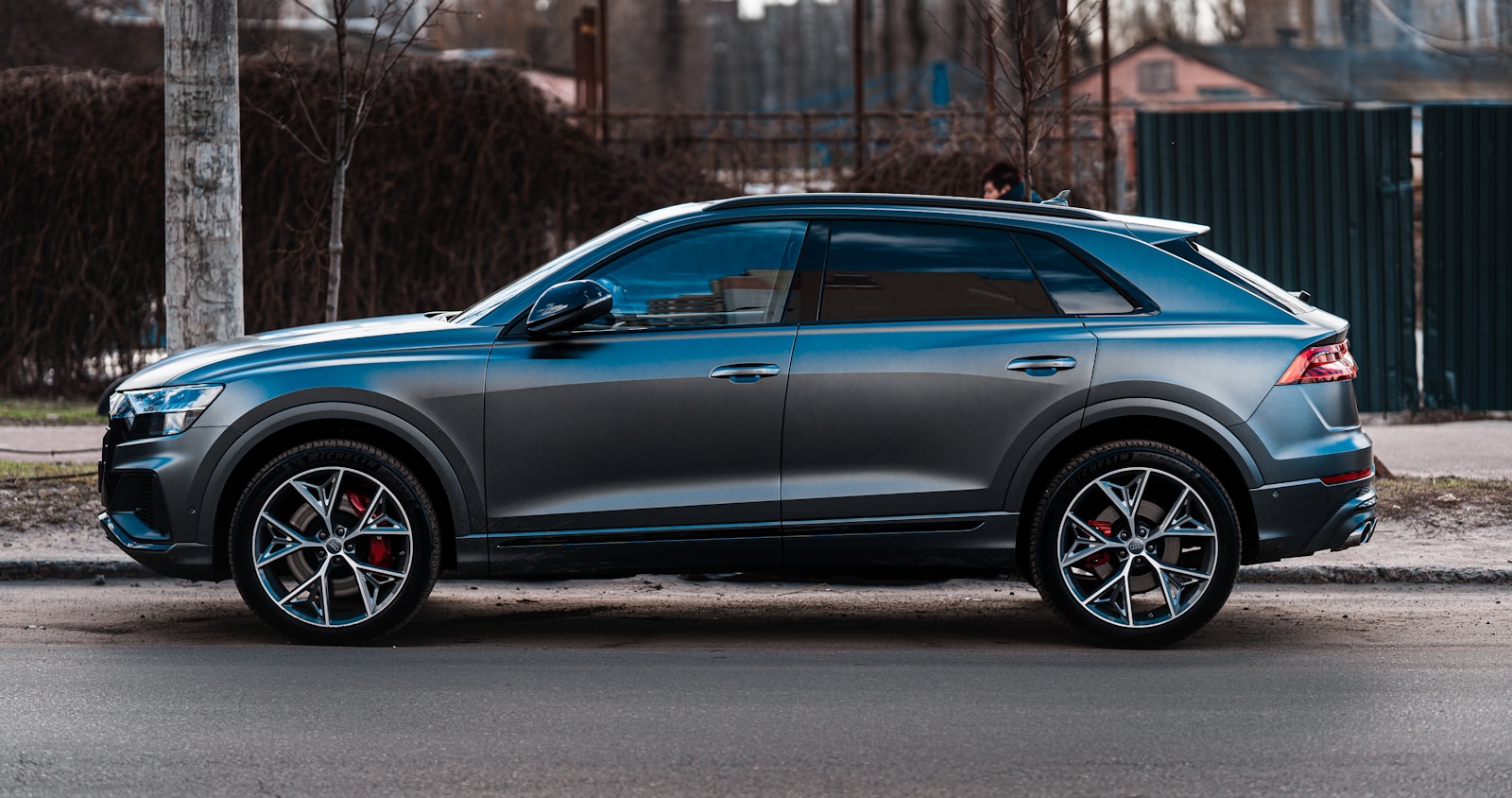

Large SUVs have become a growing concern for urban planners and safety advocates in cities across the UK and beyond. London’s mayor is proposing higher fees for large SUVs, with Transport for London considering extra charges because research shows these oversized vehicles are responsible for more pedestrian and cyclist fatalities. The initiative has sparked a heated debate about vehicle size, road safety, and whether drivers should pay more to operate bigger cars in congested urban areas.
The proposals go beyond simple congestion pricing. Labour and Green politicians in London are pushing for higher road tax and parking costs that would specifically target family SUVs and larger models. Allies of London Mayor Sir Sadiq Khan are calling for increased vehicle taxes and more expensive residents’ parking permits to tackle what they call “car-spreading,” where larger vehicles block pavements and damage roads.
But not everyone is on board with these plans. Millions of SUV drivers are questioning whether the penalties are fair, especially since SUVs are now Britain’s best-selling type of car. The pushback reveals a tension between safety concerns and the reality that many families have already invested in these vehicles for practical reasons.
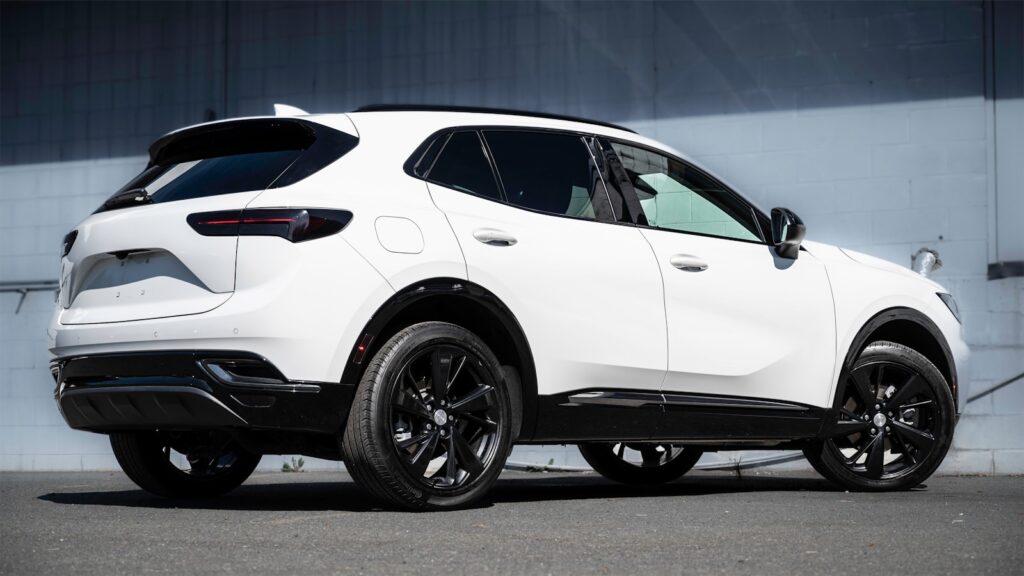
Why Cities Are Targeting Large SUVs With Higher Taxes
Municipal governments are responding to a range of practical challenges created by the growing popularity of sport utility vehicles, from oversized cars that don’t fit in standard parking spaces to increased infrastructure damage and pedestrian safety risks.
Parking Space and Urban Congestion Issues
Around 4.6 million cars have been sold in the UK that are bigger than a typical urban car parking space since 2021. That’s more than 1.2 million a year, with numbers continuing to grow.
Campaigners have coined the term “carspreading” to describe how larger vehicles extend beyond standard parking spots. The phenomenon creates a domino effect in parking lots and on streets, where one oversized vehicle can effectively reduce available spaces for other drivers. When SUVs take up too much space, they force adjacent vehicles to park closer to lane markings or prevent other cars from fitting into legitimate spots.
Cities are responding with differential parking charges based on vehicle size. Various municipalities are examining policies to discourage oversized vehicles through higher parking fees, recognizing that the best approach varies according to local circumstances and available data.
Impact of Heavier Vehicles on Road Maintenance
The rise of electric vehicles has exposed a funding gap that heavier vehicles are accelerating. Oregon is considering vehicle-miles-traveled fees as gas tax revenue disappears, with proposals to calibrate those fees based on vehicle size.
The weight difference matters for infrastructure. Heavier vehicles cause more wear on road surfaces, accelerating pothole formation and requiring more frequent repairs. As cities face budget pressures, the disproportionate damage from larger vehicles is pushing officials to reconsider how they fund road maintenance.
Some transportation experts note that the current system effectively subsidizes owners of heavier vehicles, since they don’t pay proportionally for the extra infrastructure wear their cars create.
Road Safety Concerns Linked to Large SUVs
London’s Mayor has proposed higher fees for large SUVs in the city, citing that their size poses a danger to pedestrians and cyclists. Academic studies have documented these risks, showing that larger vehicles are more dangerous in collisions.
The elevated front ends of many SUVs create blind spots that make it harder for drivers to see pedestrians, particularly children. In crashes, the higher bumpers and hoods strike pedestrians at torso and head level rather than at the legs, leading to more severe injuries including head injuries.
Research shows that cyclists and people in smaller cars also face increased risk when sharing roads with large SUVs. The weight and size disparity means that collisions result in more serious outcomes for those in lighter vehicles or on bikes.
Drivers Push Back Against New Taxes and Policies
SUV owners are voicing concerns about affordability and fairness as cities introduce weight-based fees and parking charges, while debates intensify over whether targeting vehicle size actually solves urban transportation problems.
Arguments From SUV Owners
SUV owners argue that new taxes unfairly target families who need larger vehicles for practical reasons. Many drivers say they require the extra space for children, elderly relatives, or work equipment. Some point out that rural and suburban residents who commute into cities have limited public transit options.
The financial impact is a major concern. In Washington D.C., higher registration fees based on vehicle weight can add hundreds of dollars annually. Paris tripled parking rates for heavier vehicles, making a single parking session significantly more expensive for large SUV drivers.
Critics also question whether the taxes address the real problem. Some drivers note that delivery trucks and commercial vehicles cause more congestion and road wear than personal SUVs. Others argue that electric SUVs, which are often heavier than gas models, get penalized despite producing zero emissions.
Public Opinion and Policy Debates
A survey found that more than half of drivers support higher taxes on large off-road vehicles to fund pothole repairs. This shows division among motorists themselves about how to handle road maintenance costs.
The political landscape varies widely by region. In California, Republican State Sen. Tony Strickland recently proposed slashing gas taxes to save drivers money at the pump. Meanwhile, in Washington state, local senators are pushing back against a proposed mileage tax that would replace existing vehicle taxes.
Labour officials in the UK face pressure to acknowledge the risks large SUVs pose to pedestrians while considering size-based parking charges and taxes.
Alternative Approaches to Urban Vehicle Management
Some cities are exploring options beyond taxation to manage vehicle size. Forward-thinking cities are implementing various penalties including adjusted parking fees and registration systems.
The shift toward mileage-based fees is gaining attention as fuel tax revenue declines. National surveys show growing support for rates tied to pollution levels and special rates for low-income drivers. This approach charges based on actual road use rather than vehicle type.
Washington state recently approved higher gasoline, vehicle weight and sales taxes expected to generate $3.2 billion over six years for transportation projects. The combination of different tax structures aims to maintain infrastructure while adapting to changing vehicle technology.
More from Steel Horse Rides:
- 13 Most Powerful Muscle Cars of All Time
- 13 Underrated JDM Cars That Deserve More Love
- 15 JDM Cars That Were Illegal in the U.S.
- 13 SUVs From the ’90s That Are Surprisingly Cool Today