


Volkswagen is pulling back from the U.S. market in a way few saw coming just months ago. The German automaker has halted vehicle shipments from Mexico and is holding cars at American ports as it grapples with the financial impact of new 25% tariffs, with billions in losses already piling up. The company recently told dealers that rail shipments from its Mexican plants would stop temporarily, while vehicles arriving by ship from Europe sit in limbo.
The situation marks a dramatic shift for one of the world’s largest automakers. VW isn’t alone in scrambling to respond to the tariff shock, but the scale of its exposure through Mexican production has forced particularly tough decisions on pricing and where to build cars going forward.
The fallout extends beyond temporary shipping pauses. Volkswagen announced it would cut 50,000 jobs by 2030, citing the U.S. tariffs alongside declining sales in China. The company now faces a murky path forward as it tries to keep dealers stocked and customers buying while rethinking its entire North American strategy.
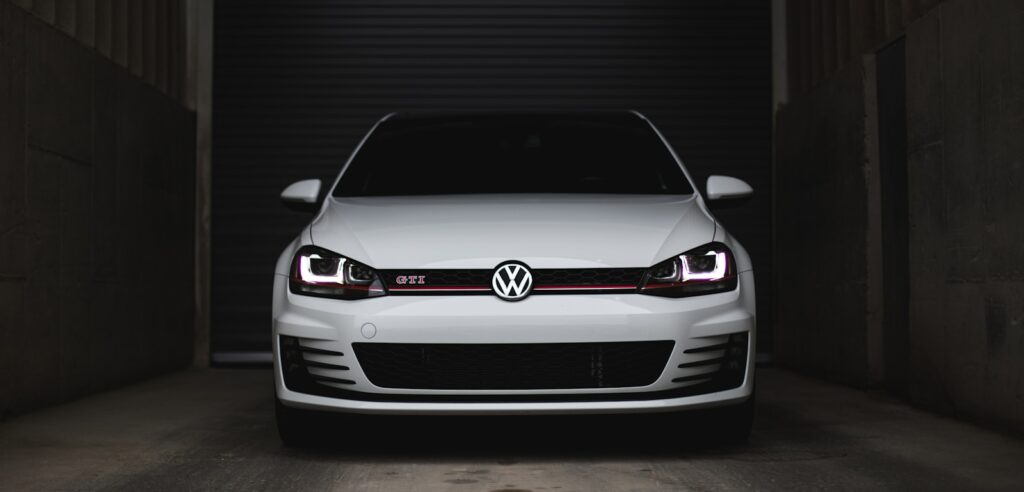
Volkswagen’s Halt on U.S. Shipments: Why the Tariffs Changed Everything
Volkswagen abruptly stopped shipping vehicles to American ports after President Trump imposed 25% tariffs on foreign-made cars, leaving the automaker scrambling to figure out how to handle the sudden cost increase.
The Impact of 25% Tariffs and the Immediate Suspension
The tariffs took effect on April 3, 2025, and Volkswagen immediately held vehicles at U.S. ports rather than absorbing the massive import costs. The company’s luxury brand Audi specifically held back cars that arrived after April 2, unwilling to eat the steep levies.
VW halted all rail shipments from Mexico and suspended deliveries from European manufacturing plants. Cars arriving by ship sat frozen at ports while executives worked out their next move. The company imports nearly all vehicles it sells in the U.S., making it particularly exposed to Trump’s trade policies.
Popular models like the Jetta sedan built in Mexico faced uncertain futures. Even VW’s Chattanooga-made Atlas SUV wasn’t safe from price hikes since it relies on imported components that would be hit by additional parts tariffs scheduled to begin May 3.
Financial Losses, Market Share Decline, and Dealer Responses
Volkswagen told U.S. dealers it would introduce an “import fee” to pass tariff costs directly to customers. The automaker sent a memo on April 1 informing dealerships about the new fees, though exact pricing strategies wouldn’t be finalized until mid-April.
Dealers found themselves stuck in limbo with limited inventory and no clear timeline for when shipments would resume. The halt left showrooms waiting for cars while customers faced the prospect of paying significantly more for vehicles that did arrive.
The broader automotive market took a beating as global stock markets lost nearly $5 trillion in value since the tariff offensive began. Volkswagen warned that the measures could stifle growth across multiple economies, though the company hadn’t announced when it might restart imports.
What’s Next for Volkswagen and the U.S. Auto Market?
Volkswagen is now weighing massive investments in U.S. manufacturing as the company navigates crushing tariff costs and explores ways to rebuild its presence in America’s auto market. The German automaker’s strategy hinges on localizing production, though the path forward involves tough negotiations and significant capital commitments.
Production Shifts, Import Fees, and U.S. Factory Challenges
VW has been hit particularly hard by the current 27.5% tariffs on imported vehicles, which CEO Oliver Blume says have already cost the company several billion euros this year. The tariffs have been especially damaging to Audi and Porsche, which lack U.S. manufacturing facilities.
The company is now in advanced talks with the U.S. government about substantial investments that would boost local employment and strengthen VW’s supply chain. One possibility includes building a new plant for the Audi brand.
Blume has expressed frustration with what he calls an “asymmetric” trade deal between Brussels and Washington that imposes 15% tariffs on EU auto imports while European industrial goods enter the U.S. duty-free. The automaker is banking on the Trump administration’s pledge to eventually reduce auto import tariffs from 27.5% down to 15%.
Potential Effects on Consumers and Car Prices
The tariff situation has already affected which VW brands Americans can afford. Porsche has been caught in what Blume describes as a “sandwich” between U.S. tariffs and weak Chinese demand, making the luxury sportscar maker more vulnerable than other automakers.
VW currently holds less than 2% of the U.S. auto market, giving it limited leverage but also significant room for growth if it can establish cost-competitive local production. The billions in tariff costs are being passed along through higher vehicle prices, making imported VW, Audi, and Porsche models increasingly expensive for American buyers.
If the company successfully negotiates investment deals and builds U.S. facilities, it could eventually offer more competitive pricing on locally-produced vehicles.
Long-Term Implications for Global Supply Chains
The shift toward U.S. manufacturing represents a major strategic pivot for Volkswagen’s global operations. The company is dealing with multiple pressures simultaneously, including Europe’s expensive transition to battery-electric vehicles and challenges in the Chinese market.
Blume indicated the company needs to make decisions “right now” about localizing its U.S. business, suggesting the window for action is closing. Any new U.S. plants would require years to build and bring online, meaning VW faces continued tariff exposure in the near term.
The company’s dual challenge of maintaining its European base while expanding American production could reshape how it allocates capital and manages its worldwide manufacturing footprint. VW has also been dealing with a 30% drop in profits and broader financial pressures that complicate its ability to fund major new facilities.
More from Steel Horse Rides:
- 13 Most Powerful Muscle Cars of All Time
- 13 Underrated JDM Cars That Deserve More Love
- 15 JDM Cars That Were Illegal in the U.S.
- 13 SUVs From the ’90s That Are Surprisingly Cool Today