


Mercedes-Benz has long carried a reputation for luxury and cutting-edge technology, but reliability hasn’t always been part of that conversation. The brand has historically struggled with dependability compared to other luxury manufacturers, with recent data showing Mercedes vehicles averaging 235 problems per 100 vehicles—well below rivals like BMW and significantly behind Lexus. Yet some models are breaking that mold entirely.
The C-Class, GLE, and E-Class are now leading Mercedes’ reliability rankings, outperforming expectations based on verified owner data spanning three years. These aren’t the simple, bare-bones models either. They’re packed with the same advanced technology that typically causes headaches for luxury car owners.
What’s particularly surprising is that these top performers include recently redesigned models like the 2023 C-Class, which managed to shake off initial manufacturing issues faster than expected. The GLC and GLS round out the top five, proving that both compact and large SUVs can deliver dependable performance when engineered correctly. The question becomes: what’s different about these specific models that sets them apart from the rest of the lineup?
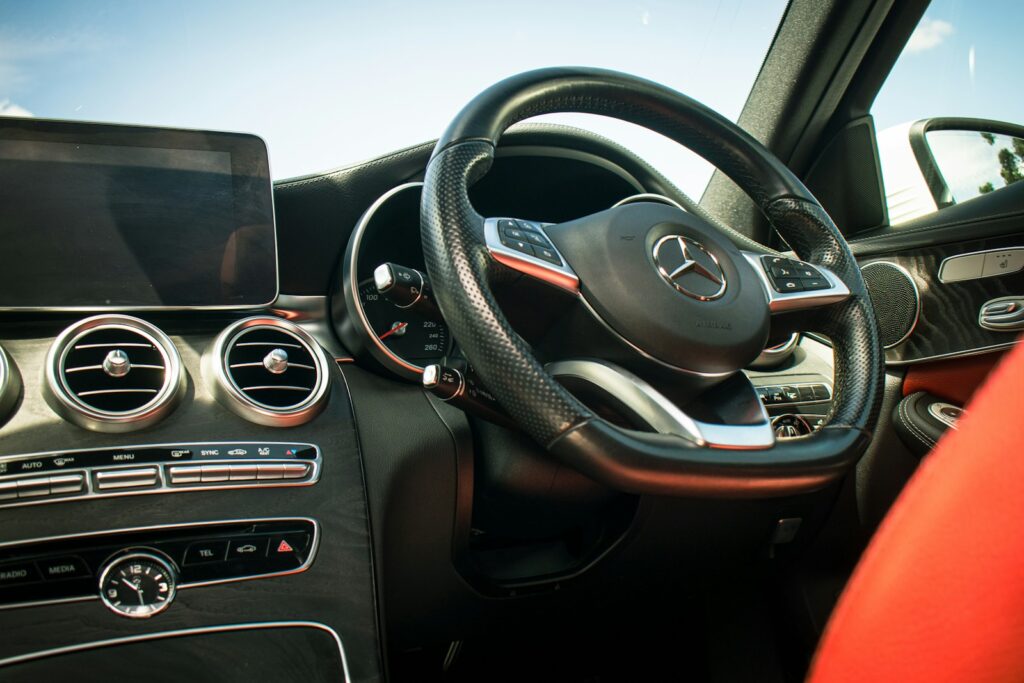
Mercedes Models Surpassing Expectations for Reliability
While luxury brands often struggle with dependability ratings, certain Mercedes-Benz models have emerged as surprisingly solid performers that challenge preconceived notions about German luxury reliability. The E-Class, C-Class, and GLC are proving that Mercedes can build vehicles that last beyond the warranty period without breaking the bank.
E-Class: The Unlikely Workhorse
The E-Class has earned an 80/100 quality and reliability score, representing the final year of the W213 generation that benefited from years of refinement. Owners praised the exceptionally comfortable seats and more intuitive cabin design compared to newer models.
The turbocharged 2.0-liter four-cylinder engine in the E350 was considered the most reliable powerplant option. Three years of development allowed Mercedes engineers to iron out initial problems before the 2024 redesign arrived. Drivers scored the sedan high across reliability and driving experience segments.
Common complaints centered on limited trunk space for such a large vehicle and occasional glitches with Apple CarPlay wireless connection. These minor issues didn’t significantly impact the overall dependability ratings. The mature technology and proven drivetrain made it one of the most reliable Mercedes-Benz models available.
C-Class: Compact, Uncomplicated, and Durable
Despite a major redesign in 2022, the 2023 C-Class emerged as Mercedes’ most stable performer with an 84/100 quality and reliability score. The initial manufacturing kinks were smoothed out quickly, which bodes well for future Mercedes-Benz reliability across the lineup.
Owners appreciated the mini S-Class interior aesthetic and relaxed driving feel, which scored 82/100. The C300 model with its 2.0-liter turbocharged four-cylinder engine offered the most reliable performance. Rear-wheel-drive versions proved slightly less complex than 4Matic all-wheel-drive variants, though no serious issues affected either configuration.
The complicated initial setup of the MBUX infotainment system and sensitive brake pedal modulation emerged as the main complaints. These concerns didn’t overshadow the C-Class’s position as the brand’s reliability leader.
GLC and GLK: The Surprising SUV Contenders
The 2023 GLC received a 74/100 quality and reliability score, representing the previous X253 body style with mature technology and years of updates. Drivers praised its nimble handling and rattle-free interior, which aged well compared to competitors.
The GLC300 with its turbocharged 2.0-liter engine and nine-speed automatic transmission offered the best chance for low maintenance ownership. The tried-and-tested powertrain combination proved more dependable than newer variants. Owners noted the infotainment setup looked dated compared to the newest models and cargo room lagged behind major rivals.
These practical compromises resulted in better long-term dependability. The older design meant fewer electronic complications and more straightforward repairs when needed.
What Makes Certain Mercedes Stand Out for Reliability?
Mercedes-Benz reliability varies significantly across models, with repair costs and specific component failures playing major roles in determining which vehicles earn dependable reputations.
Common Repair Costs and Hidden Savings
The average annual repair cost differs substantially between Mercedes models. The C-Class and E-Class typically require less expensive maintenance compared to other vehicles in the lineup. These models benefit from more straightforward engineering and readily available parts.
Owners of certain Mercedes models report spending considerably less on repairs over time. The differences aren’t just minor—they can amount to thousands of dollars over a vehicle’s lifespan. Models like the E-Class from the early 2010s have proven particularly economical to maintain. Parts availability plays a crucial role in keeping costs manageable.
Unexpected Issues: Air Suspension and More
Air suspension failures represent one of the most common and expensive problems across multiple Mercedes models. These systems can cost several thousand dollars to repair when they fail. The complexity of air suspension makes it particularly vulnerable to issues as vehicles age.
Models equipped with traditional suspension systems avoid these costly repairs entirely. The G-Class, despite its premium positioning, has earned recognition for avoiding many of the electronic complications that plague other models. Its simpler mechanical design contributes to its top ranking among Mercedes-Benz reliability ratings.
Electronic components in newer models sometimes create unexpected maintenance demands. Vehicles with fewer complex systems tend to require less frequent visits to the shop.
More from Steel Horse Rides: