
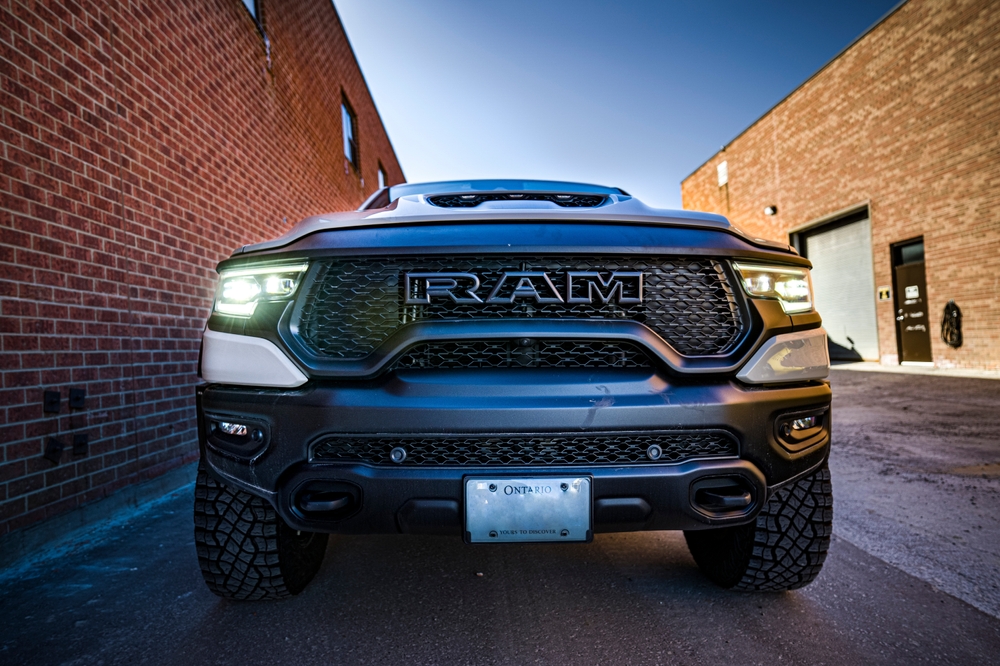

Ram’s electric truck program has become one of the automotive industry’s most watched stories, with the 1500 REV experiencing multiple delays since its 2023 unveiling. The truck was originally scheduled to arrive in late 2024, then pushed to 2025, and later to 2026 before taking an unexpected turn in its development path.
The Ram 1500 REV is no longer being developed as a fully battery-electric truck, with Ram instead shifting to a range-extended electric design that uses a gasoline engine as a generator. This significant pivot marks a departure from the original vision presented during the truck’s Super Bowl commercial debut.
The change raises broader questions about the electric pickup market and what Ram’s strategy shift means for competitors pursuing similar vehicles. Understanding how the REV evolved from a pure electric truck to a range-extended model reveals much about the current state of EV adoption in the pickup segment.
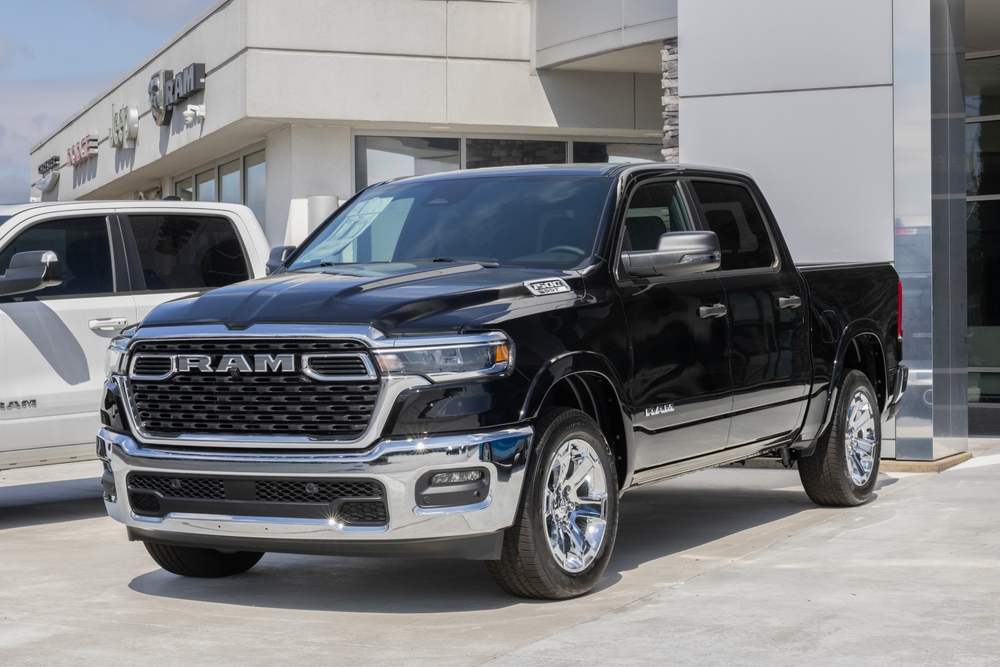
The Evolution of the Ram 1500 REV and Ramcharger
The Ram 1500 REV has undergone a dramatic transformation since its 2023 debut, shifting from a fully battery-electric truck to a range-extended electric vehicle while the original all-electric version was scrapped entirely. Stellantis made the call to discontinue the battery-electric model and rebrand the Ramcharger plug-in hybrid under the REV name.
Timeline of Announcements and Delays
Ram first unveiled the 1500 REV at the 2023 New York Auto Show with plans to launch in the first half of 2024. That timeline didn’t hold. The company pushed production back multiple times as market conditions changed.
By late February 2025, Ram aimed to get the Ramcharger into production, but delays continued to mount. The all-electric 1500 REV saw its launch date slip to summer 2027 before Stellantis pulled the plug completely. The Ramcharger fared slightly better, with its arrival pushed back into early 2026.
These delays stretched the original timeline by more than two years, leaving customers waiting far longer than initially promised.
Shift from All-Electric to Range-Extended Powertrains
Stellantis made a strategic decision to discontinue the original Ram 1500 REV battery-electric truck and rename the Ramcharger as the new 1500 REV. The move effectively killed the all-electric pickup while keeping the nameplate alive through the range-extended version.
The new Ram 1500 REV uses a gas engine as a generator to extend battery range, offering up to 690 miles on a full charge and tank. Both vehicles were built on Stellantis’ STLA Frame platform, which accommodates electric, gas, hybrid, and hydrogen powertrains.
Ram now positions the range-extended electric truck as the world’s first-ever full-size pickup with this configuration. The company claims it will deliver exceptional range, towing capability, and payload performance without the range anxiety that plagues battery-electric trucks.
Impact of Stellantis’ Strategic Pivot
The cancellation reflects broader struggles in the EV pickup market. Sales of electric trucks like the Ford F-150 Lightning, Rivian R1T, and Tesla Cybertruck have been slower than expected. Heavy-duty trucks face unique challenges with electrification—large batteries cost more, and range drops significantly when towing or hauling loads.
Stellantis joined other automakers in delaying or canceling EV plans as federal tax credits and incentives faced elimination. The company cited slowing demand for full-sized battery-electric trucks as the primary reason for abandoning the all-electric version. Ram’s pivot to range-extended powertrains suggests Stellantis believes plug-in hybrid technology offers a more practical path forward for truck buyers who need maximum capability without compromising on range.
Ram 1500 REV’s New Direction: Range-Extended Technology
The Ram 1500 REV adopts range-extended electric vehicle technology rather than functioning as a pure battery-electric truck, combining electric motors with a gasoline generator to deliver 690 miles of total range. This approach marks a significant shift from Ram’s original all-electric plans and positions the truck differently than competitors like the Ford F-150 Lightning and Silverado EV.
How REEV and Series Hybrid Systems Work
The Ram 1500 REV operates as a series hybrid, where a 3.6-liter Pentastar V6 engine functions exclusively as a generator rather than powering the wheels directly. The engine spins a 130-kW alternator that replenishes the 92-kilowatt-hour battery pack when needed.
Electric motors at each axle handle all driving duties, delivering power to the wheels while the gasoline engine stays mechanically disconnected from the drivetrain. This setup recalls the approach used in the Chevrolet Volt, though executed at a much larger scale for truck applications.
The system lets drivers plug in for charging or fill up the 27-gallon fuel tank. On battery power alone, the truck can travel 145 miles before the generator kicks in to extend range. Ram limits usable battery capacity to 69.7 kWh out of the total 92 kWh to maintain consistent performance during heavy towing.
Performance and Capability Highlights
The dual electric motors produce 647 horsepower and 610 lb-ft of torque, enabling a 0-60 mph sprint in 4.5 seconds. Ram claims the truck can tow up to 14,000 pounds and carry a payload of 2,625 pounds.
These numbers put the 1500 REV ahead of several battery-electric competitors:
| Model | Max Towing | Max Payload |
|---|---|---|
| Ram 1500 REV | 14,000 lbs | 2,625 lbs |
| Ford F-150 Lightning | 10,000 lbs | 2,235 lbs |
| Chevrolet Silverado EV | 12,500 lbs | 1,800 lbs |
DC fast-charging tops out at 145 kW, which is modest compared to newer EV architectures. However, the onboard generator reduces reliance on charging infrastructure for longer trips or work in areas where charging stations remain scarce.
Comparison to Rivals in the Half-Ton Segment
The half-ton segment has seen battery-electric entries from Ford, GM, and Rivian, but none offer the extended range capability of Ram’s REEV approach. The F-150 Lightning maxes out around 320 miles of range, while the Silverado EV reaches 493 miles in its best configuration.
Ram’s 690-mile total range surpasses all current half-ton BEV pickups by a considerable margin. The GMC Sierra EV shares the Silverado’s platform and range figures, while the GMC Hummer EV targets a different market segment with its premium positioning.
Rivian’s R1T focuses on adventure capability rather than maximum range, and production volume remains limited compared to traditional truck manufacturers. The extended-range Ram sidesteps the towing range penalty that affects battery-electric trucks, which can lose 50% or more of their range when hauling heavy loads.
Truck Buyer Reactions and Market Implications
Truck buyers have shown hesitation toward pure electric pickups, partly due to concerns about charging infrastructure and range when towing. The REEV technology addresses these concerns by maintaining gasoline backup, though it adds complexity and weight to the vehicle.
Ram’s decision to cancel the all-electric version and focus on the extended-range model reflects broader market realities. Ford has slowed F-150 Lightning production, and GM delayed rollouts of its electric trucks as demand cooled from initial projections.
The Ram 1500 REV’s pricing is expected to fall in the $70,000-$80,000 range, competing directly with premium configurations of the Lightning and Silverado EV. Whether truck buyers embrace the series hybrid approach over conventional powertrains or pure electric setups remains to be seen, but Ram is betting that flexibility trumps ideology in a segment where capability matters most.
More from Steel Horse Rides:
- 13 Most Powerful Muscle Cars of All Time
- 13 Underrated JDM Cars That Deserve More Love
- 15 JDM Cars That Were Illegal in the U.S.
- 13 SUVs From the ’90s That Are Surprisingly Cool Today