
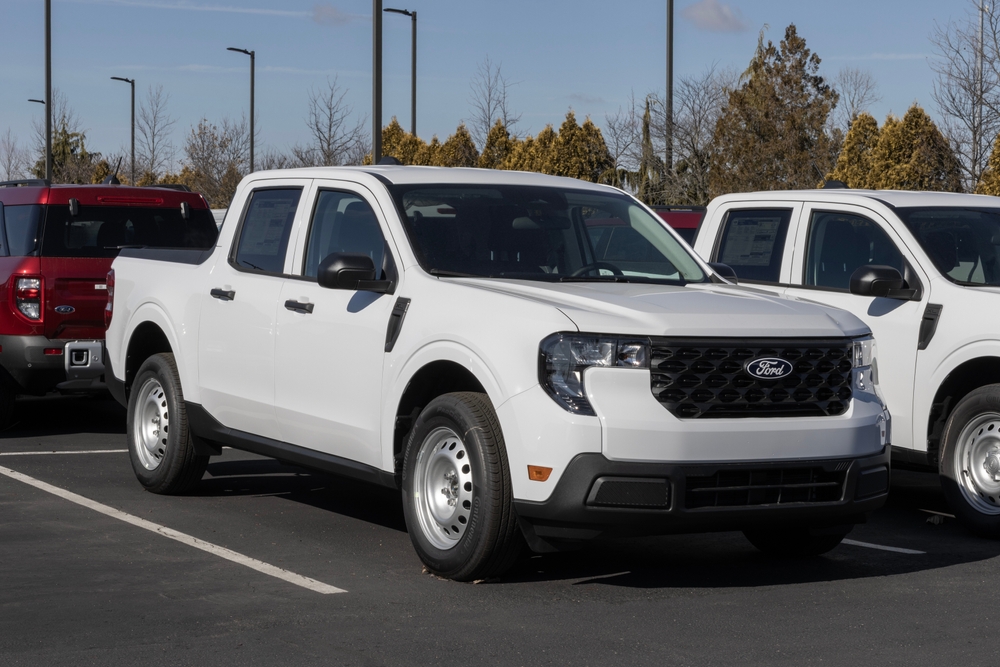

The Ford Maverick hybrid has become one of the most sought-after vehicles in America, but getting one means joining a waitlist that can stretch well over a year. Wait times for the 2024 Ford Maverick XL Hybrid reached 15 months or more at some dealerships, with only a fraction of orders actually being fulfilled before the model year ended. The compact truck’s combination of affordability and fuel efficiency created unprecedented demand that Ford has struggled to meet.
When the Maverick first launched, the hybrid model started at just $19,995, making it an instant sensation among budget-conscious truck buyers. That price has since climbed to $26,995 for the 2025 model, yet customers are still lining up to place orders. The problem is that Ford can’t build them fast enough, leaving thousands of buyers in limbo and raising uncomfortable questions about whether their orders will ever arrive.
The situation has exposed a complex web of allocation issues, production constraints, and dealer priorities that many customers didn’t understand when they placed their orders. Ford wasn’t able to build all of the 2024 XL hybrids that were ordered, forcing some buyers to either upgrade to more expensive trims, accept the turbocharged engine instead, or simply walk away from their deposits.
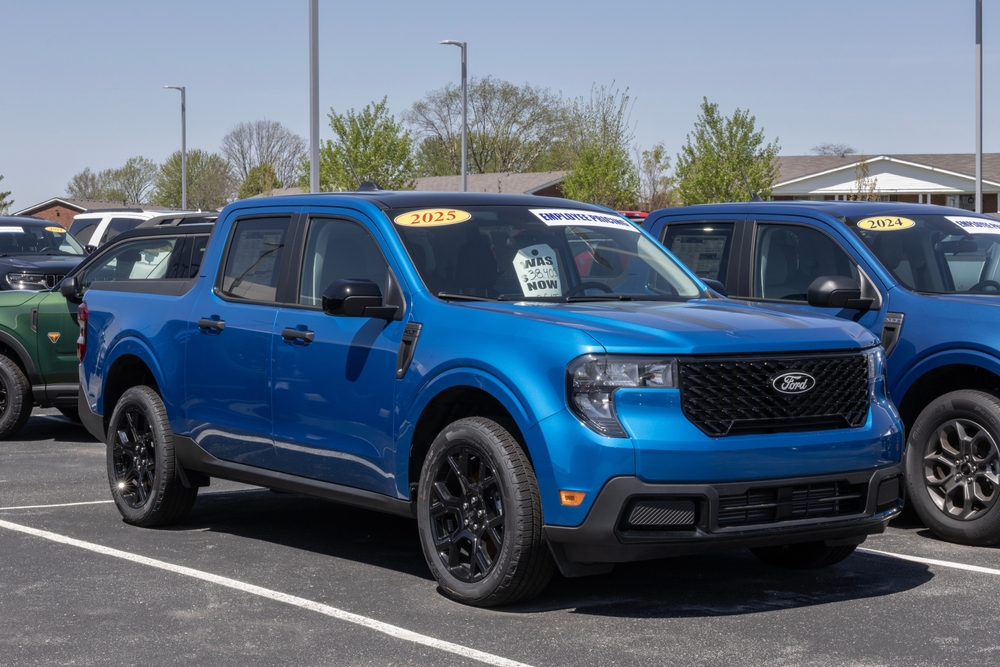
Why the Ford Maverick Hybrid Waitlist Is Exploding
The Ford Maverick Hybrid has become one of the most sought-after vehicles in the compact pickup segment, with wait times stretching months and dealers struggling to keep up with demand. A combination of limited production capacity, overwhelming consumer interest, and Ford’s allocation strategy has created a supply crunch that shows no signs of easing.
Current Order Volumes and Wait Times
The ford maverick wait time currently sits at 4-6 months on average, though some customers report waiting even longer. Custom orders for in-demand configurations like the 2025 Ford Maverick Hybrid with all-wheel drive can take 6 to 12 months depending on production schedules and regional demand.
The situation has been challenging since launch. The 2022 model sold out before the first unit reached dealerships, while the 2023 version sold out in just six days. Ford acknowledged earlier that it wouldn’t be able to meet demand for subsequent model years either.
Built Mavericks often sit waiting for shipment because Ford needs to coordinate deliveries for all trucks manufactured during four-week production windows. The 20+ week wait time has become standard for many buyers.
Key Drivers of High Demand
The Maverick is in short supply while demand remains high, according to Ford Authority. This imbalance has driven prices upward, with many dealers selling units above MSRP. The compact pickup’s appeal centers on its fuel efficiency, versatility, and accessible starting price of $25,515 for the 2024 Ford Maverick.
The Maverick Hybrid outsells the EcoBoost version during the first three quarters of 2025, making the electrified powertrain the preferred choice. The introduction of the 2026 model with hybrid AWD capability has intensified interest even further.
The truck has earned strong marks in compact pickup ratings for its practicality and everyday usability.
The Reservation and Allocation System
Ford implemented a reservation system to manage the overwhelming demand and ensure fair distribution of available vehicles. Customers can place reservations online or through local dealerships, receiving notification when their vehicle enters production.
The allocation process prioritizes orders chronologically, but dealer allocations vary by region and sales volume. This creates inconsistency in delivery timelines across different markets. Production at the Hermosillo, Mexico facility began for the 2024 model year on October 18, 2023, with order banks opening July 17, 2023.
Scheduling for builds kicked off on August 24, but the system hasn’t kept pace with incoming orders. Many buyers find themselves in limbo between order confirmation and build scheduling.
What’s Fueling the Supply Crunch and Customer Questions
The Maverick hybrid’s popularity has collided with production realities and supply constraints. Ford faces mounting pressure as demand continues to outpace availability while customers question why they’re waiting months for their orders.
Production Limits and Supply Chain Challenges
Ford’s production capacity for the Maverick hybrid hasn’t kept pace with the flood of orders coming in. The company builds roughly 10,000-13,000 Mavericks monthly, but order banks have swelled to over 20,000 unscheduled retail orders at various points.
The hybrid powertrain adds complexity to manufacturing. The continuously variable automatic transmission and electric motor components require different supply chains than the EcoBoost engine variants. Supply chain disruptions have created production constraints that particularly impact hybrid models.
Key component shortages have slowed assembly lines. Popular configurations like the Maverick AWD hybrid and trucks equipped with the 4K tow package face additional delays due to parts availability. The front-drive hybrid typically moves faster through production than AWD versions.
How Ford Is Responding to the Demand Spike
Ford added production capacity but still struggles to satisfy demand for the compact pickup truck. The company receives approximately 1,000 new Maverick orders weekly while attempting to clear existing backlogs.
Ford’s CFO has addressed how the company is working through supply challenges, focusing on mitigating production impacts. The automaker prioritizes “clean” orders without compatibility errors or material holds for scheduling.
Production scheduling has become more selective. Orders with uncommon option combinations or those requiring constrained parts get pushed back while simpler configurations move forward faster.
The Impact on Pricing and Dealer Markups
The supply shortage has created pricing chaos at dealerships. Some dealers add markups ranging from $2,000 to $10,000 above MSRP for the fuel-efficient Maverick hybrid. The truck’s starting price remains competitive, but actual transaction prices tell a different story.
Customers who locked in orders at MSRP still wait months for delivery. Walk-in buyers face even steeper premiums if they find a Maverick hybrid on the lot. The fuel economy advantage—rated at 42 mpg city for the front-drive hybrid—makes the truck desirable enough that dealers can command premium pricing.
Ford Co-Pilot360 and other popular features become leverage points for additional dealer profit. The constrained supply gives dealerships pricing power they haven’t enjoyed in years.
Alternatives Buyers Are Considering
Frustrated Maverick waiters are eyeing other options. The Honda CR-V and Toyota RAV4 hybrids offer comparable fuel efficiency in crossover form, though they lack truck beds. Both deliver strong hybrid powertrains without the same wait times.
The Escape hybrid shares corporate DNA with the Maverick but serves a different purpose. It can’t tow or haul like the compact pickup truck, despite similar fuel economy numbers. Some buyers also consider the Honda Civic for pure efficiency, though it’s strictly a passenger car.
The Maverick EcoBoost provides an immediate alternative with shorter wait times. It sacrifices fuel economy for quicker availability and offers different final-drive ratios and ground clearance depending on configuration. The trade-off between waiting for hybrid efficiency versus driving an EcoBoost model today has split the buying community.
More from Steel Horse Rides: