


The classic muscle car market heated up again in 2025, catching the attention of seasoned collectors and newcomers alike. Prices for iconic American performance cars climbed steadily over the past year, with some models now selling for figures that would have seemed unrealistic just a few years ago. The trend reflects a broader shift in how buyers view these vehicles—not just as nostalgic rides, but as tangible investments in an uncertain economy.
Several forces converged to push values higher. Supply continues to shrink as original examples rust away or disappear into private collections, while the push toward electrification creates new urgency among buyers who want to own a piece of the combustion era before it fades entirely. Younger collectors entered the market with fresh capital and different tastes, expanding interest beyond traditional favorites.
The surge raises questions about how long the momentum will last and which models will define the next wave of record-setting sales. From auction prices that keep climbing to restoration costs that make finished cars more valuable than ever, the landscape has shifted in ways that reshape how collectors approach their next purchase.
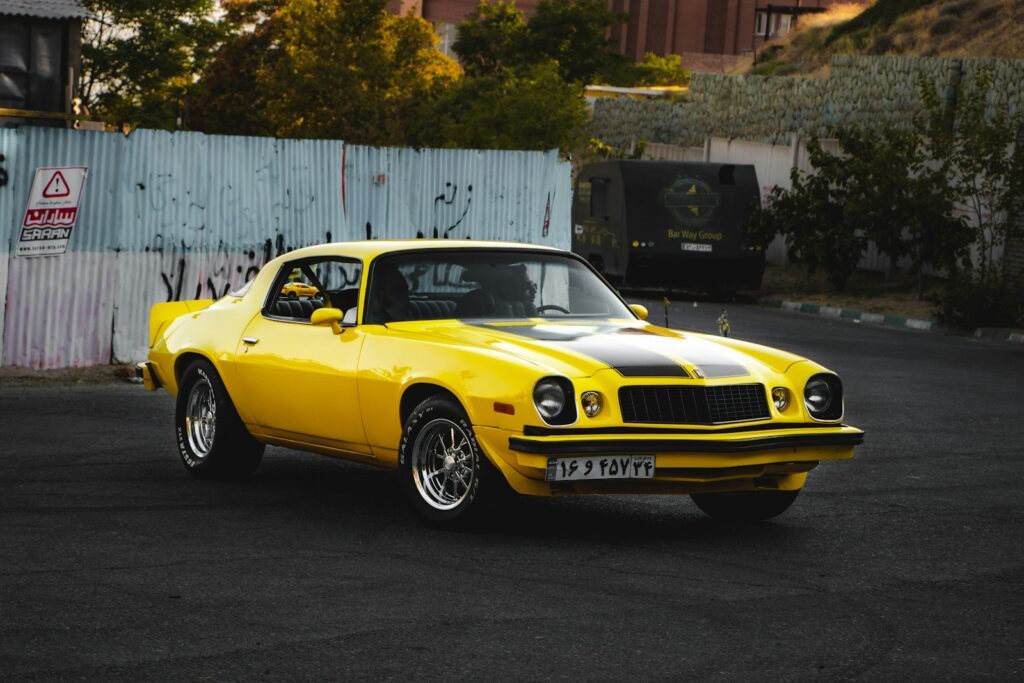
Why Classic Muscle Car Prices Are Picking Up
Several forces are converging to push classic muscle car values higher in 2026. Supply constraints, generational buying patterns, and the increasing difficulty of finding original examples are all contributing to stronger auction prices for rare muscle cars.
What’s Fueling the Recent Price Increases?
The shift toward electric vehicles has created unexpected urgency among muscle car buyers. As manufacturers phase out combustion engines, collectors are rushing to acquire vehicles that represent a vanishing era of American automotive culture. The classic car market surged throughout 2025, driven partly by buyers who want the mechanical experience before it becomes obsolete.
Scarcity plays a fundamental role. Many classic cars have been destroyed, heavily modified, or locked away in private collections. Clean, original examples grow rarer each year, and when one reaches the market, bidders compete aggressively.
Wealth has also migrated into tangible assets as investors seek alternatives to volatile digital markets. Classic cars offer both emotional appeal and the potential to hold value, making them attractive to buyers looking for physical investments they can enjoy.
Key Models Leading the Surge in Value
Certain vehicles are commanding premium prices at auction. The Shelby GT350 continues to attract serious money, particularly examples with complete documentation and original components. First-generation Chevrolet Camaros and Plymouth Barracudas have seen significant appreciation, especially in desirable configurations.
The median sale price for top-tier muscle cars has climbed notably over the past year. Cars that sold for $80,000 in 2023 are now reaching $100,000 or more when condition and provenance align. Even the Jaguar E-Type, though British rather than American, has benefited from the broader classic car boom as collectors expand their interests beyond domestic models.
Pontiac GTOs and Dodge Chargers with original drivetrains are also experiencing strong demand. Buyers are particularly focused on vehicles from the late 1960s and early 1970s, the golden era of muscle car production.
How Collector Interest Is Shifting
Younger buyers are entering the market with different priorities than previous generations. These collectors grew up with muscle cars in video games and movies, and they’re now financially positioned to buy the vehicles they admired as children. Their participation has broadened the definition of collectible, pulling 1980s and 1990s performance cars into investment territory.
The Hagerty Price Guide tracks these shifts in collector car values, and recent data shows sustained growth across multiple segments. Buyers are also more willing to purchase sight-unseen based on detailed photography and inspection reports, expanding the geographic reach of sales.
Auction results from major events reveal strong bidding activity. Cars that failed to meet reserve prices a few years ago are now selling above estimates.
The Role of Condition, Documentation, and Rarity
Original, unrestored cars with factory documentation command the highest prices. A matching-numbers vehicle with build sheets, window stickers, and service records can sell for double what a restored example brings. Collectors treat documentation as proof of authenticity, and they’re willing to pay substantially more for that certainty.
Restoration quality matters significantly when originality isn’t present. Professional frame-off restorations using correct parts maintain value better than budget rebuilds. The gap between excellent and fair condition has widened, with pristine examples pulling away from the pack.
Rarity drives exceptional results. Limited production runs, special editions, and unusual color combinations all boost desirability. A common model in a rare configuration can outperform a supposedly more valuable car that was built in higher numbers.
Trends Impacting Collectors and the Classic Car Market
The collector car market is experiencing a generational shift as younger buyers reshape what’s valuable, while overall values stabilize after years of dramatic swings. Japanese sports cars are gaining ground alongside traditional American muscle, reflecting broader changes in what drives demand.
Shifting Demographics and Tastes in Collecting
Millennials and Gen X collectors are entering the market with different priorities than their predecessors. These younger enthusiasts are driving up values for cars from their formative years rather than focusing exclusively on 1960s and 1970s American muscle. The shift creates a healthier, more sustainable collector car market that rewards knowledge and careful selection.
Generational preferences are reshaping the landscape:
- Traditional collectors favor pre-1970 American muscle cars
- Younger buyers pursue 1980s-1990s performance cars and Japanese imports
- Investment-focused collectors target rarity and provenance over brand loyalty
This demographic transition has created winners and losers across segments. Cars that once seemed untouchable are slipping while newer icons surge in value.
Market Fluctuations: Booms, Corrections, and What’s Next
The classic car market settled into a new normal by mid-2025 after years of volatility. Auction sales reached $2.3 billion in the first half of 2025, showing year-over-year growth, while average prices held around $60,000 with sell-through rates improving to roughly 70%.
The market isn’t collapsing but rather reshuffling beneath the surface. Average list prices dropped about 9% from their 2023 peak, yet the Hagerty market rating index remained stable near early-2022 levels. Strong cars with proper documentation continue attracting premium prices while mediocre examples struggle.
Classic car auctions soared to $4.8 billion total in 2025, suggesting sustained collector interest despite the cooling from speculative peaks.
Modern Classics and the Impact of Japanese Sports Cars
Japanese sports cars are commanding serious attention from collectors who once dismissed them. Models like the Toyota Supra, Nissan Skyline GT-R, and Mazda RX-7 have seen dramatic appreciation as they cross the 25-year import threshold and gain nostalgic appeal.
These cars represent a fundamental shift in collector car values beyond traditional American and European marques. The modern classic segment now includes vehicles from the 1990s and early 2000s that younger collectors experienced firsthand. This expansion broadens the market but also fragments it, as preferences splinter across multiple automotive eras and continents rather than concentrating on established blue-chip classics.
More from Steel Horse Rides: