
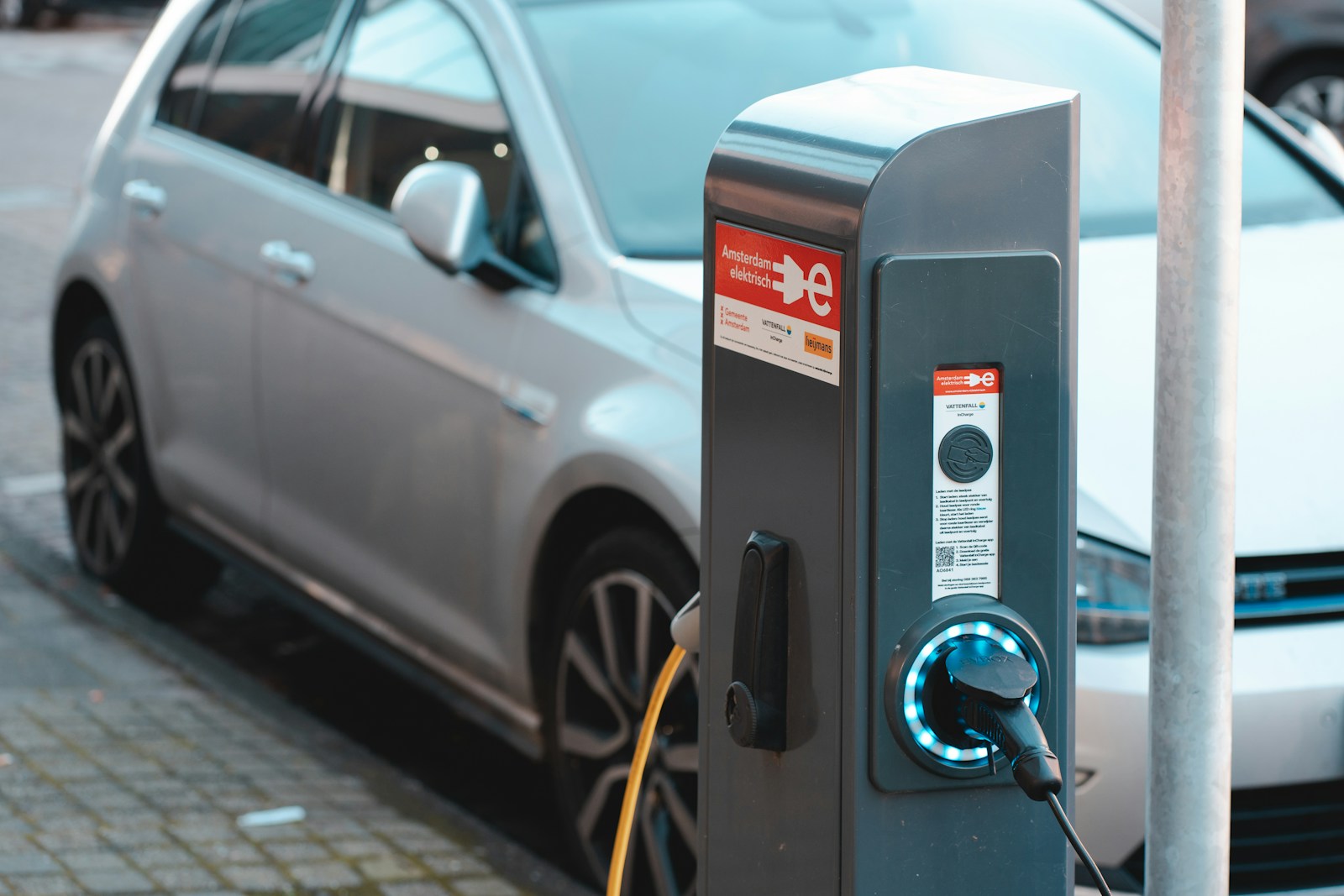

Electric vehicles have long carried a reputation for being pricier upfront, but recent research is flipping that narrative. A study by J.D. Power found that in 48 out of 50 states, electric vehicles save money over gas cars across five years of ownership. The average EV transaction price sits around $13,000 higher than a gas-powered vehicle, yet the long-term math tells a different story.
The findings reveal significant regional variations in savings. New Jersey EV owners come out ahead by over $10,000 after five years, while drivers in Maine and West Virginia actually spend more going electric. These differences stem from a complex mix of electricity rates, gas prices, insurance premiums, and available incentives that vary dramatically by location.
The data arrives at a pivotal moment for the auto industry. While EVs continue to cost more upfront at $55,000 compared to $48,000 for gas cars, the question of total ownership costs is reshaping how buyers think about their next vehicle purchase. The shift raises bigger questions about what this means for drivers weighing their options and how the market might evolve as more people crunch the numbers.

How EVs Are Now Cheaper to Own Than Gas Cars
Recent research indicates that electric vehicles now beat gas cars on ownership costs in most U.S. states, driven by lower fuel and maintenance expenses that offset higher upfront prices. The savings vary significantly based on local electricity rates, available incentives, and how quickly EVs lose value compared to gas-powered vehicles.
New Study Findings on Total Cost of Ownership
A J.D. Power analysis revealed that electric vehicles save money over gas cars in 48 out of 50 states when comparing five-year ownership costs. The research examined purchase prices, fuel expenses, maintenance, insurance, and depreciation across different models and regions.
Vincentric’s 2024 analysis found that nearly half of all electric vehicles now have lower total cost of ownership than comparable gas-powered vehicles. This marks a significant shift from previous years when EVs struggled to compete on overall costs.
The studies focused on real-world scenarios including monthly payment structures. Energy Innovation’s research showed that most EVs are cheaper to own starting from the first payment when factoring in immediate fuel savings and reduced maintenance needs.
However, roughly 40-45% of new EVs beat comparable gas cars on five-year ownership cost in 2025, meaning more than half still don’t achieve cost parity.
Key Factors: Fuel, Maintenance, and Charging Costs
Electricity costs remain substantially lower than gasoline for powering vehicles. Home charging typically costs between $0.10 and $0.15 per kilowatt-hour in most regions, translating to roughly $500 to $800 annually for average drivers. Gas cars often require $1,500 to $2,500 yearly in fuel costs.
Maintenance costs for electric vehicles run significantly lower because they lack oil changes, transmission repairs, and many other services required by gas-powered vehicles. EVs have fewer moving parts and regenerative braking systems that extend brake life.
Public charging introduces higher costs than home charging. DC fast chargers can charge $0.40 to $0.60 per kilowatt-hour, reducing the cost advantage. Drivers who rely primarily on public charging stations see smaller savings compared to those charging at home.
Plug-in hybrid models occupy a middle ground. They offer electric driving for short trips while maintaining gasoline backup for longer journeys, though they require both electricity and fuel expenses.
The Role of Subsidies, Incentives, and Regional Differences
Federal tax credits of up to $7,500 significantly impact the purchase price of qualifying electric vehicles. These incentives have made EVs cheaper than gas cars, though the credits face expiration dates that could eliminate this advantage.
State and local incentives add thousands more in potential savings. California, Colorado, and several other states offer additional rebates ranging from $1,000 to $5,000. Some utilities provide rebates for installing home charging equipment.
Regional electricity rates create dramatic cost differences. States with low electricity prices like Louisiana see greater EV savings, while high-cost states reduce the fuel cost advantage. The two states where EVs don’t save money face particularly high electricity rates combined with low gas prices.
Time-of-use electricity plans let owners charge during off-peak hours at reduced rates. Pairing home charging with solar panels can eliminate electricity costs entirely for some drivers.
Depreciation and Resale Value for EVs vs. Gas Cars
EVs lose value faster than gas cars, which increases ownership costs despite lower operating expenses. Rapid advances in battery technology make older models less appealing as newer vehicles offer better range and faster charging.
The depreciation problem particularly affects newer EVs. A Tesla Model Y or similar model purchased new can lose 30-40% of its value within three years, compared to 20-30% for comparable gas vehicles. This accelerated depreciation stems from concerns about battery degradation and the pace of technological improvements.
Used EVs with healthy batteries represent the biggest bargain in the market. Buyers can acquire three-year-old electric vehicles at steep discounts while still benefiting from lower fuel and maintenance costs. The battery warranty on most EVs extends eight years or 100,000 miles, providing protection for second owners.
AAA data shows higher electricity and lower gas prices make EVs costlier to own than gas cars when depreciation weighs heavily in the calculation. The organization found that while charging an EV or plug-in hybrid costs less than filling up at a gas station, annual ownership cost remains higher for EV owners primarily due to depreciation.
What the Shift Means for Drivers and the Future
The economics of vehicle ownership are transforming as electric cars close the cost gap with gas-powered alternatives, affecting everything from used car markets to charging infrastructure development. Battery technology improvements and changing buyer behavior are reshaping how people think about transportation costs.
Comparing New and Used EV Savings Over Time
The five-year ownership analysis reveals stark differences in how electric cars and gas vehicles hold their value. While nearly half of electric vehicles cost less to own than comparable gas models, depreciation remains a major concern for EV buyers.
Tesla models experienced the steepest decline, losing 31.5-34.4% of their value between 2023 and 2024. Only 10 of the 41 electric cars evaluated had better depreciation rates than their gas counterparts. This rapid value loss actually benefits buyers of used EVs, who can access the technology at significantly reduced prices.
The study found that electric cars saved an average of $8,000 in energy costs over five years, with an additional $1,300 in total ownership savings. Eight models required zero payback period because their purchase prices and operating costs immediately undercut gas vehicles. The Ford F-150 Lightning Pro Supercrew saved owners $16,231 compared to the standard F-150, while the Tesla Model Y came in $19,894 cheaper than the BMW X3.
The Impact of Charging Behavior and Technology
Research shows that electric vehicles are driven less than gas cars, though Teslas see higher usage than other electric models. This usage pattern affects how owners calculate their actual savings from lower energy costs.
Public charging infrastructure continues expanding, though concerns about DC fast chargers and their availability in extreme weather conditions dampened early 2024 sales growth. Owners who charge at home using standard outlets or solar panels see the greatest cost advantages. Those relying heavily on public charging networks face higher operating costs that can narrow the gap with gas vehicles.
Battery technology advances are extending range and reducing charging times, addressing two major barriers to adoption. The federal tax credit structure, which now allows leased electric cars to qualify even when purchases don’t, has changed how buyers approach financing decisions.
Market Trends and Adoption of Electric Cars
Electric vehicle sales grew just 2.7% in the first quarter of 2024, significantly slower than the previous year’s 47% surge. Manufacturers responded with aggressive price cuts, bringing transaction prices down 12.8% year-over-year. Some models dropped more than 20% from 2023 levels.
The slowdown stemmed from negative reports about charging reliability and reduced range in extreme temperatures. Many buyers also discovered their preferred models no longer qualified for the $7,500 federal tax credit under updated rules. Tesla led the industry in repeated price reductions, forcing other automakers to match with rebates and incentives.
The cost of living pressures made the higher upfront prices particularly challenging, even as the long-term savings became more apparent. Nineteen of 41 models could recover their added purchase cost within seven years. The shift from early adopters to mainstream buyers remains incomplete, with the transition to electric vehicles still dependent on continued price reductions and infrastructure improvements.
More from Steel Horse Rides: