


Electric vehicle road trips sound great in theory—until the battery warning chimes and the scramble for a working charging station begins. Recent experiences from drivers across North America and Europe reveal that taking an EV on a road trip can add significant stress due to limited charging infrastructure, slow charging times, and payment system complications.
Drivers are discovering that what should be a relaxing vacation becomes an exercise in range anxiety, with many spending hours hunting for functional chargers and dealing with incompatible payment systems. One driver renting a Ford Mustang Mach-E in Northern California found himself frantically hopping between charging stations for a week, often finding only one working charger that took hours to replenish the battery. Another traveler in Germany white-knuckled it to a charging station with less than 10% battery remaining after struggling with apps that required local addresses and payment systems that failed multiple times.
The challenges go beyond just finding a plug. Spotty charging networks and planning complications mean drivers face a mix of infrastructure confusion, limited fast-charging options, and the psychological toll of watching their battery percentage tick down on unfamiliar roads.
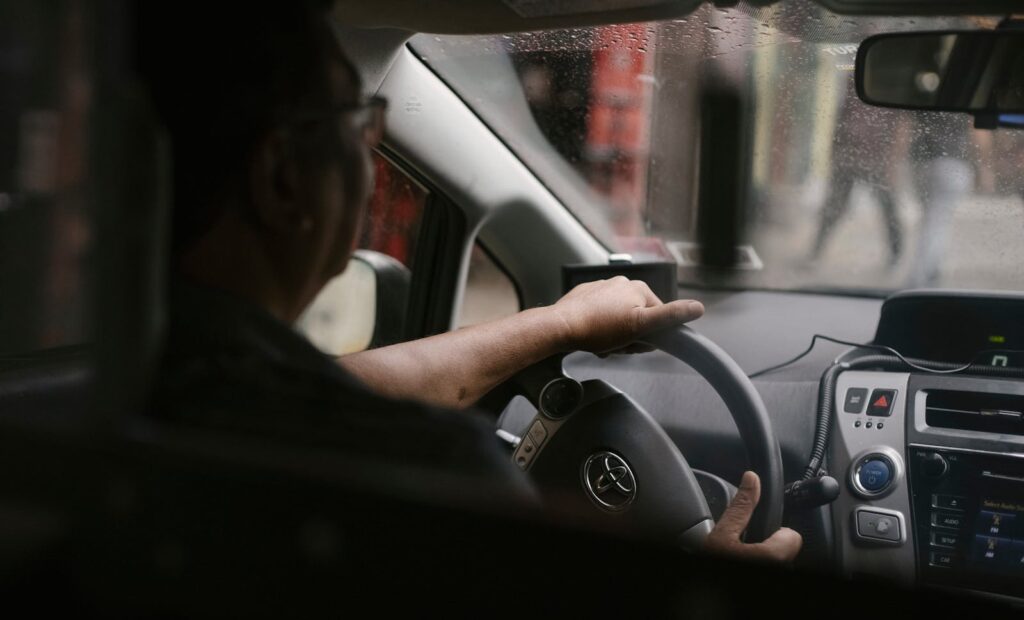
Why EV Road Trips Can Be More Stressful Than Expected
Electric vehicle owners discovered that long-distance travel presents unexpected complications around charging infrastructure and range limitations. The gap between daily commuting and extended highway driving exposed weaknesses that many drivers hadn’t anticipated.
Common Charging Challenges on the Road
Finding a working charger became a significant pain point for many EV road trippers. Drivers say EV road trips are still stressful when they arrive at charging stations only to discover broken equipment or offline units.
The problem intensified in less populated areas. States like Montana, Delaware, Idaho, and the Dakotas had fewer public chargers available, forcing drivers to plan routes more carefully than they would in a gas-powered vehicle.
Many charging networks required specific apps to function. Drivers needed to download multiple applications, create accounts, and verify their email addresses before they could access certain charging stations. This process proved frustrating when they arrived at a charger without the necessary preparation.
Weather conditions added another layer of complexity. Cold temperatures reduced battery efficiency significantly, especially when combined with uphill driving and heater use. Some drivers faced potential stranding during unexpected cold snaps in mountainous regions.
Range Anxiety and the Reality of Long-Distance EV Travel
Highway speeds dramatically reduced the advertised range on most electric vehicles. Range vanishes at higher speeds during 70 mph highway driving, with many EVs failing to meet their EPA range ratings in real-world tests.
Loading vehicles with passengers and luggage further decreased efficiency. A fully packed Ford Mustang Mach-E or Chevy Bolt consumed more energy than during typical daily use, cutting into the available range between charging stops.
The combination of high-speed driving, extra weight, and climate control usage created what drivers called “reichweitenangst” or range anxiety. According to Ford’s internal research, roughly half of Americans take trips over 150 miles only four days or fewer per year, yet these infrequent journeys revealed the limitations of current battery technology.
Parking overnight in cold weather without plugging in resulted in range loss. Drivers who stayed at hotels or campgrounds without charging access woke up to reduced battery capacity, complicating their planned routes for the following day.
Differences Between Tesla and Non-Tesla Road Trip Experiences
Tesla owners generally reported smoother road trip experiences compared to drivers of other electric vehicles. The Tesla Supercharger network provided more reliable charging infrastructure with better geographic coverage and higher success rates for functioning equipment.
Non-Tesla drivers faced greater uncertainty with public chargers from various networks. The charging network landscape remained fragmented, requiring juggling multiple memberships and payment systems across different providers.
Tesla Superchargers offered faster charging speeds and simpler plug-and-charge functionality. Other electric vehicles relied on third-party networks that sometimes had slower charge rates and more frequent technical issues.
The reliability gap meant Tesla drivers could travel with less advance planning. Owners of vehicles like the Chevy Bolt needed to research charging availability more thoroughly and maintain backup plans in case their primary charging station was unavailable.
How Charging Issues Make EV Road Trips Stressful
Drivers report that finding working chargers and dealing with unreliable infrastructure adds unexpected anxiety to what should be straightforward travel. The combination of locating fast chargers, navigating multiple apps, and encountering broken equipment transforms routine stops into potential obstacles.
The Hunt for Reliable Fast Chargers
Electric vehicle owners embarking on road trips quickly discover that charging infrastructure reliability remains a major concern. Unlike gas stations that drivers can spot from the highway, DC fast chargers require specific planning and aren’t always where travelers expect them.
Many drivers found themselves searching for Electrify America, ChargePoint, or EVgo stations along unfamiliar routes. Some networks like Volta offer free charging but typically provide slower speeds unsuitable for road trips. The availability of DC fast chargers versus standard Level 2 chargers becomes critical when time matters.
Tesla drivers generally face fewer problems with their dedicated Supercharger network. Non-Tesla owners must navigate a fragmented landscape where CHAdeMO and CCS connectors serve different vehicles, and not every station carries both options.
Planning and Using Charging Apps
Travelers reported downloading multiple apps before departing, creating accounts with different charging networks to ensure they could access whatever stations appeared on their route. Apps like PlugShare and A Better Routeplanner became essential tools for mapping charging stops.
Renting an EV for a road trip adds significant stress when drivers must familiarize themselves with unfamiliar charging networks in new areas. Each network requires its own charging card or app setup, and some stations still struggle with payment processing issues that prevent charging sessions from starting.
The complexity increases when apps show conflicting information about charger availability. Drivers waste time arriving at stations that apps indicated were operational, only to find them out of service.
Dealing With Broken or Occupied Chargers
Technical barriers prevent charges from starting even when drivers locate functioning stations. Vehicle-charger communication failures, malfunctioning screens, and damaged card readers leave travelers stranded at supposedly operational chargers.
Some drivers encountered stations where every DC fast charger was occupied, forcing them to wait or drive further with dwindling battery levels. Others arrived at charging locations only to discover the equipment had been vandalized or was displaying error codes.
The anxiety intensifies when batteries drop below 20 percent and the next reliable charging station sits miles away. Newer features like plug and charge technology promise to simplify the process, but adoption remains limited across networks.
The Role of Overnight and Level 2 Charging
Road trippers learned that hotel charging infrastructure varies dramatically by location. Some accommodations offer Level 2 chargers that fully replenish batteries during overnight stays, while others provide nothing or only slow trickle charging.
Level 2 chargers deliver significantly slower charging speeds than DC fast chargers, making them impractical for quick highway stops. A full charge can take 8-12 hours on Level 2 equipment compared to 30-45 minutes at fast charging stations.
Drivers who secured overnight charging at hotels or vacation rentals found their trips far less stressful. Starting each day with a full battery reduced dependency on unpredictable public charging stations and allowed more flexibility in route planning without constant range calculations.
More from Steel Horse Rides: