

Electric vehicles were supposed to be the future of American transportation, but millions of drivers aren’t buying into that vision. Despite government incentives and environmental concerns, about 25% of surveyed consumers say they have no plans to buy an EV within the next 10 years, and roughly 6 in 10 Americans remain skeptical about making the switch. The resistance goes beyond simple preference—it’s sparking heated discussions about everything from charging infrastructure to personal freedom.
The reasons behind this pushback are more complex than automakers initially expected. High purchase prices, concerns about finding charging stations, and questions about long-distance travel capabilities continue to dominate the conversation. What started as a straightforward push toward cleaner transportation has evolved into a cultural and political debate that reflects deeper divisions in American society.
The gap between policy goals and consumer behavior is widening. While some states push mandates and subsidies to accelerate EV adoption, Americans are not voluntarily choosing to buy EVs at the pace officials anticipated. This disconnect is forcing everyone from automakers to lawmakers to reconsider what it will actually take to get Americans out of gas-powered cars.
Why Millions of Americans Resist Buying Electric Vehicles
Despite growing availability of electric vehicles from major automakers, only 16% of U.S. adults say they’re likely to buy an EV as their next car—the lowest figure since 2019. The percentage of Americans who say they’re unlikely to purchase an EV has jumped from 51% to 63% over the past four years, driven by worries about charging access, driving range, costs, and battery reliability.
Concerns Over Charging Infrastructure and Public Charging Stations
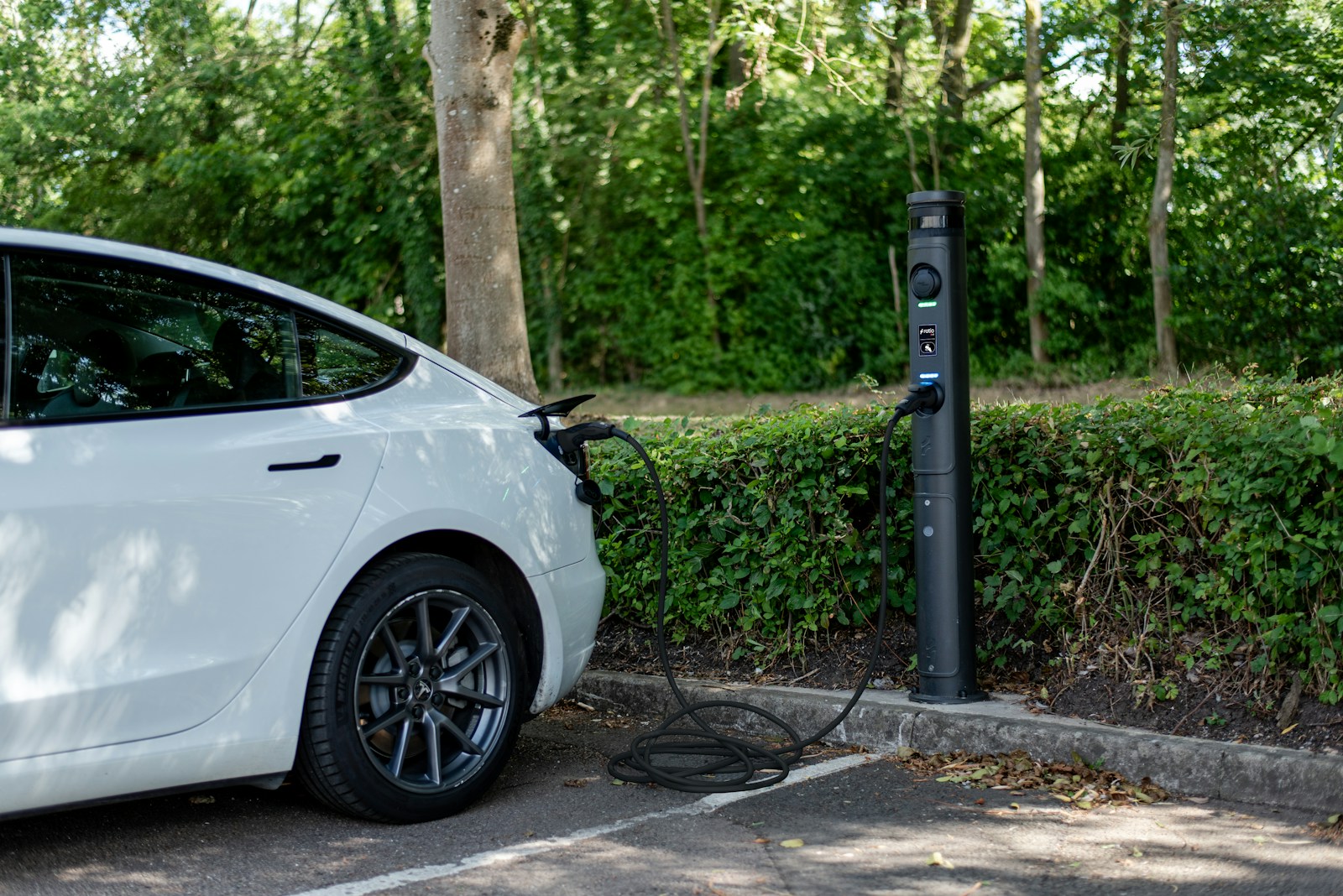
The lack of convenient public charging stations remains a major barrier to EV adoption. About 56% of Americans avoid electric vehicles due to concerns about insufficient public charging facilities, making it one of the top reasons people stick with gas-powered cars.
The charging infrastructure gap creates real headaches for potential buyers. Unlike gas stations that dot nearly every corner, public charging stations remain sparse in many areas, particularly outside major cities. This creates uncertainty about finding a charge when needed.
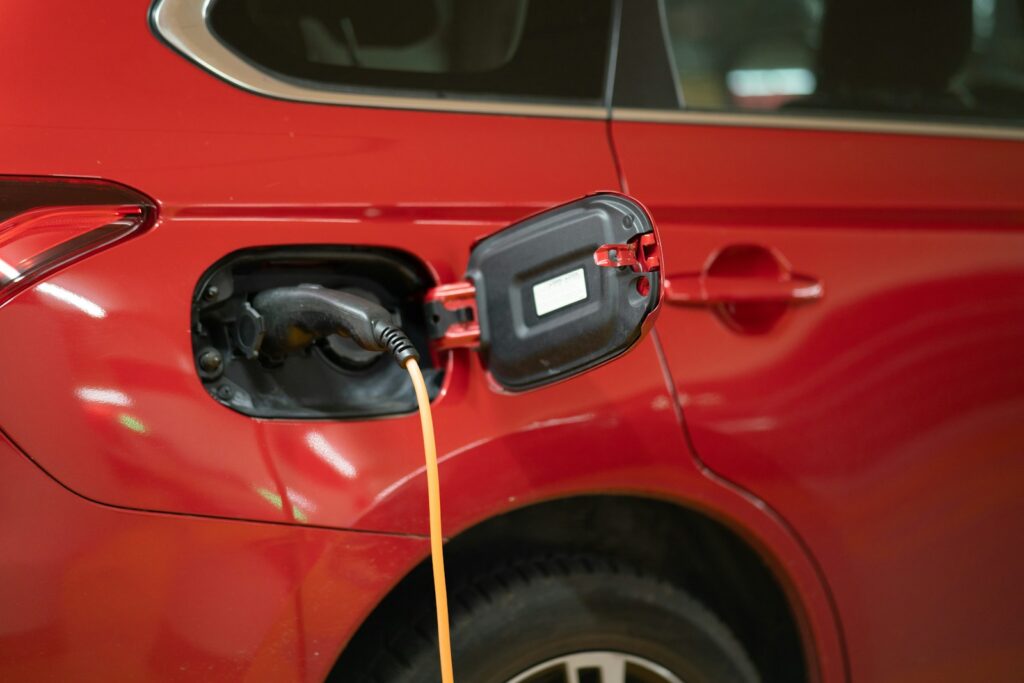
Home charging presents its own challenges. Around 27% of Americans report difficulties with installing a charging station at their residence, whether due to rental restrictions, upfront installation costs, or electrical system limitations.
Range Anxiety and Daily Driving Needs
Fear of running out of power continues to haunt potential EV buyers. Roughly 55% of Americans say they avoid electric vehicles because they’re worried about being stranded with a dead battery, while 57% believe EVs can’t handle long trips effectively.
Range anxiety affects how people view EV ownership even for routine activities. Many drivers remain unconvinced that current EV range capabilities match their daily needs, despite most modern electric vehicles offering 200 to 300 miles per charge.
The concerns about EV range become particularly acute during road trips or in rural areas where charging stations are scarce. These fears persist even as battery technology continues improving and manufacturers extend the distances their vehicles can travel on a single charge.
Affordability and High Upfront Costs
Price tags on electric vehicles keep many buyers away. 59% of Americans cite the higher upfront purchase price compared to gas-powered equivalents as a reason for avoiding EVs.
The sticker shock is real. Electric vehicles typically cost thousands more than comparable gasoline models, creating an immediate financial barrier regardless of potential long-term savings. While 77% of people say they’re motivated to buy an EV to save money on gas, the initial investment remains prohibitive for many households.
Political uncertainty around EV incentives has complicated the affordability picture. Tax credits and rebates that previously made electric vehicles more accessible have become less certain, leading fewer people to count on these benefits when making purchasing decisions.
Reliability, Repairs, and Battery Performance
Battery-related worries top the list of reliability concerns. 62% of drivers express anxiety about potentially high battery repair costs, making it the single most common reason people avoid electric vehicles.
EV batteries represent both the heart of the vehicle and the biggest unknown for many consumers. Questions about how long batteries will last, how much replacement costs, and whether performance degrades significantly over time all feed into hesitation about EV ownership.
The unfamiliarity with electric vehicle maintenance creates additional uncertainty. While EVs generally require less routine maintenance than gas cars, the specialized nature of battery and electric motor repairs raises concerns about finding qualified technicians and affording fixes when problems arise.
How the Debate Over EVs Is Shaping the Future of American Cars
The tension between electric vehicle advocates and skeptics is forcing automakers to recalibrate their strategies. Consumer interest in purchasing EVs dropped from 23% to just 18% between 2023 and 2024, while hybrid vehicles are capturing a larger share of buyers who want some electrification without full commitment.
Preference for Gas-Powered Cars and Hybrids
Gas-powered cars still dominate American roads, and many drivers aren’t ready to abandon them. The latest data shows 63% of Americans are unlikely to purchase an EV for their next vehicle, citing practical concerns about cost and charging access.
Hybrid vehicles have emerged as the middle ground. One in three Americans say they’re likely to buy a hybrid, compared to less than one in five for fully electric models. This preference reflects a desire to reduce emissions without the range anxiety that comes with battery-only vehicles.
Greg Brannon, director of automotive research at AAA, noted that early adopters who wanted EVs already own them. The remaining consumers weigh practicality, cost, and convenience more heavily than environmental benefits alone.
For apartment and condo residents, the lack of home charging infrastructure makes gas vehicles or hybrids more viable options. Three in ten potential EV buyers cited the inability to install a charging station where they live as a major barrier.
The Role of Government Policies and Incentives
EV incentives have multiple benefits by lowering costs and helping more drivers afford electric vehicles. Federal tax credits and state-level programs have pushed electric vehicle sales higher in recent years, though political debates threaten their future.
The auto industry remains uncertain about regulatory changes affecting gas-powered cars across different states and markets. Some states have set aggressive timelines for phasing out internal combustion engines, while others resist mandates entirely.
The incoming administration is poised to make big changes that could impact EV adoption rates nationwide. Industry analysts expect shifts in both incentive structures and emissions regulations depending on political priorities.
This regulatory uncertainty complicates long-term planning for automakers investing billions in electric platforms.
Market Choices: From Plug-In Hybrids to Rivian and F-150 Lightning
Automakers are hedging their bets with diverse product lineups. The F-150 Lightning brought electric trucks to mainstream buyers, while Rivian targets outdoor enthusiasts with premium adventure vehicles.
Plug-in hybrid models offer another compromise, allowing drivers to use electric power for daily commutes while maintaining gas engines for longer trips. These vehicles require less charging infrastructure than pure EVs and eliminate range concerns entirely.
Despite the challenges EVs face, electric vehicle sales continue growing, though at slower rates than initial projections suggested. Manufacturers are adjusting production volumes and pricing strategies as market realities set in.
The average EV still costs more than comparable gas vehicles, though this gap is narrowing. Industry experts predict a mix of EVs, hybrids, and traditional vehicles will coexist in American dealerships for decades, driven by consumer demand rather than regulatory mandates alone.
More from Steel Horse Rides: