
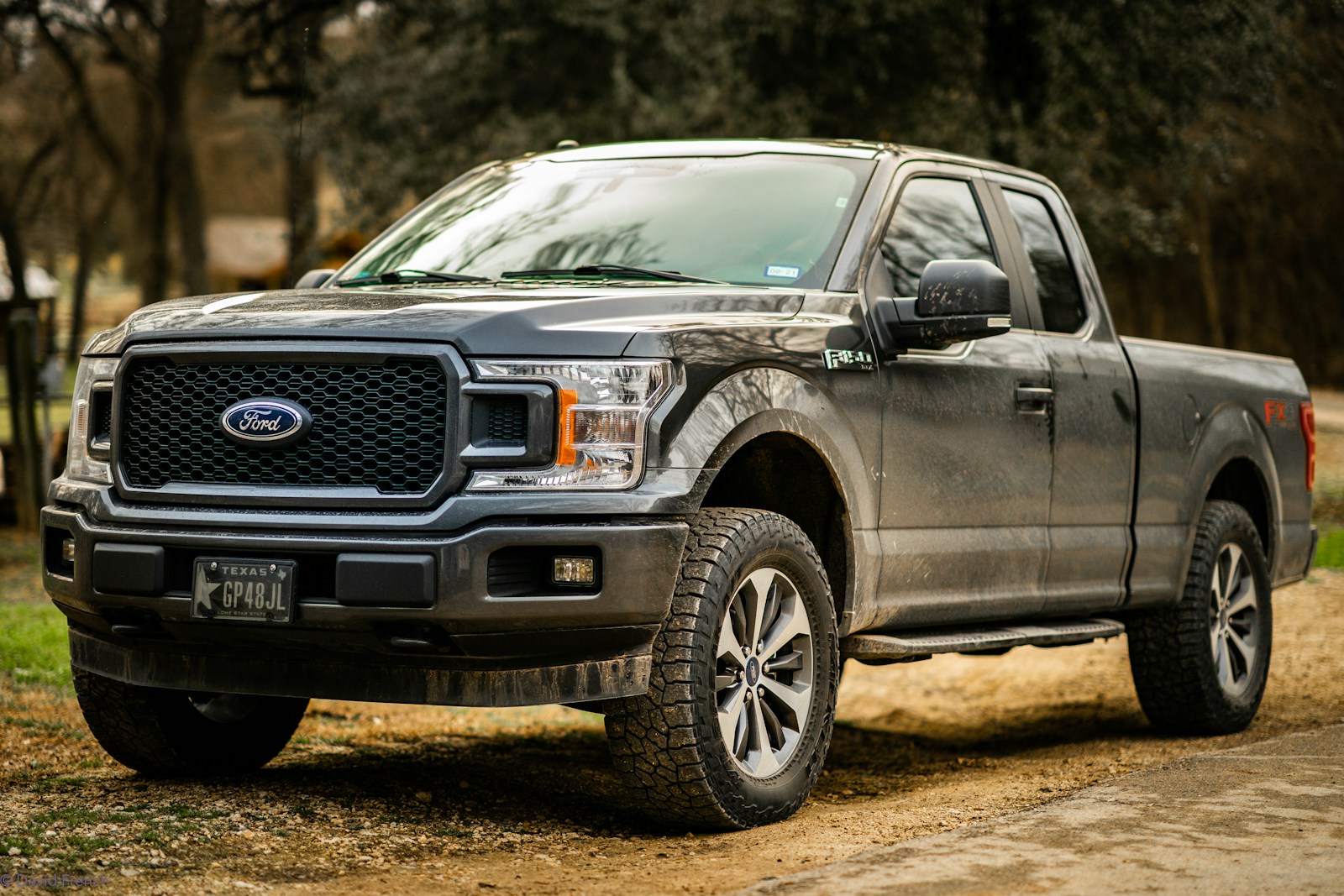

Pickup trucks dominate American roads like never before, with the Ford F-Series, Chevrolet Silverado, and Ram pickup claiming the top three spots for best-selling vehicles in recent years. But there’s a catch that’s raising eyebrows across the country.
A study of F-150 owners found that 63% rarely or never use their trucks for towing, while 32% rarely or never use them for personal hauling—instead, most pickup truck owners use them for shopping, running errands, and commuting. The vehicles have transformed dramatically over the decades, with Ford pickups shifting from a 64% bed-to-36% cab ratio in the 1960s and 70s to the reverse today, where cabs now take up 63% of the vehicle.
The gap between what these massive trucks can do and what owners actually use them for has sparked a heated debate about safety, environmental impact, and whether Americans are falling out of love with huge trucks as prices climb and criticism mounts.
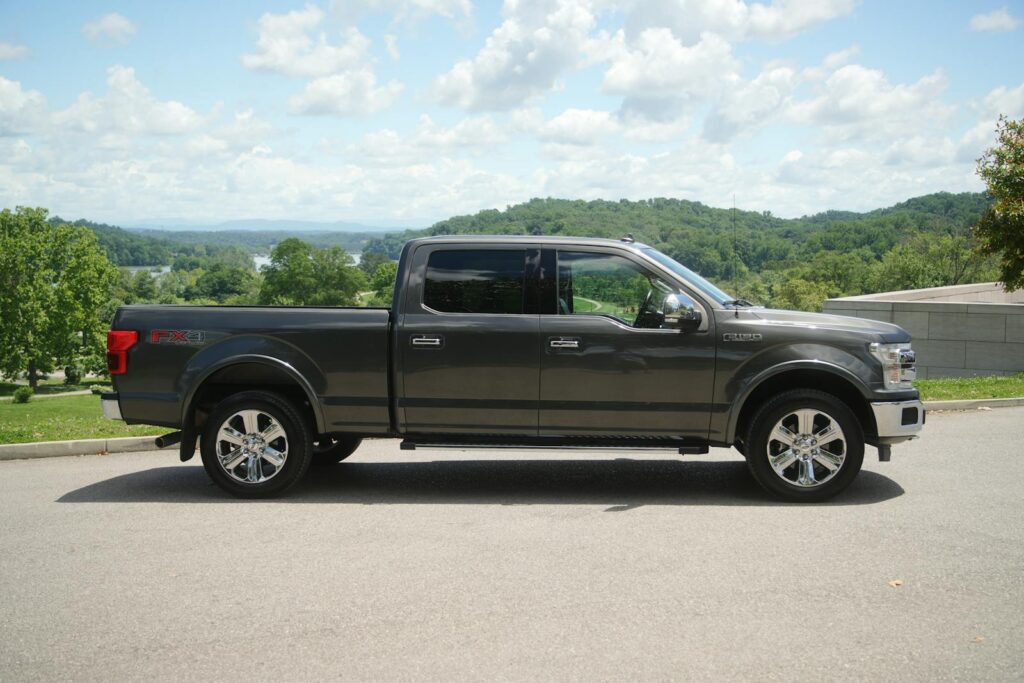
The Surge in Giant Truck Purchases
Pickup trucks and SUVs have been steadily claiming a larger slice of the American automotive market, with full-size models leading the charge even as prices climb and fewer buyers actually need them for work purposes.
Sales Trends for Pickup Trucks and SUVs
The Ford F-Series, Chevrolet Silverado, and Ram pickup have consistently topped sales charts for years, demonstrating Americans’ appetite for full-size trucks. These three models alone account for millions of vehicles sold annually, with the F-Series holding the title of best-selling vehicle in America for decades.
Traditional passenger cars have been losing ground rapidly. Sedans and compact cars now represent a shrinking portion of new vehicle sales, while trucks and SUVs have grown to dominate showroom floors. Even models like the Toyota RAV4 and other crossovers, which offer some of the practicality of SUVs in smaller packages, can’t match the raw sales volume of their larger counterparts.
Analysts have noted what they call “Peak Truck” might be approaching, with some evidence suggesting buyer interest in massive vehicles could be waning. High prices are reportedly driving some Americans away from pickup trucks, as these vehicles give up market share to smaller SUVs and sedans.
Why Americans Are Choosing Bigger Vehicles
Government regulations have played a surprising role in steering buyers toward larger vehicles. CAFE standards introduced a “footprint” rule in 2011 that allowed bigger trucks to meet lower fuel efficiency targets, giving automakers incentive to build them even larger.
The appeal extends beyond regulatory loopholes. Buyers cite perceived safety benefits, more interior space, and commanding road presence as key factors. Trucks and SUVs make drivers feel more secure, especially as roads fill with other heavy vehicles.
Regulatory changes have made big cars more profitable for manufacturers, creating a cycle where automakers push larger models and buyers respond. The preference has transformed what were once work vehicles into status symbols that dominate suburban driveways and city streets.
Non-Work Uses and Changing Buyer Demographics
The traditional truck buyer—contractors, farmers, and tradespeople—now represents a minority of purchasers. Most people buying full-size pickups use them primarily for commuting, grocery runs, and family transportation rather than hauling materials or towing equipment.
Families have increasingly replaced minivans and sedans with trucks and SUVs, viewing them as more versatile daily drivers. Soccer practice, school drop-offs, and weekend errands have become the primary missions for vehicles originally designed for construction sites.
This shift has raised questions about whether buyers actually need the capability these vehicles offer. Critics point out that most pickup beds remain empty most of the time, and towing capacity goes unused by the majority of owners who simply prefer the size and style of big trucks.
Criticisms and Consequences of Oversized Trucks
The shift toward larger pickup trucks has sparked concerns about pedestrian safety, vehicle design standards, and the role of government policies in shaping the marketplace. Pedestrian deaths have climbed to 40-year highs while regulatory frameworks and tariffs continue to incentivize manufacturers to build heavier, more expensive vehicles.
Safety Concerns and Rising Pedestrian Deaths
Pedestrian deaths have reached 40-year highs as trucks and SUVs have grown taller and heavier. The Insurance Institute for Highway Safety has found that these larger vehicles pose greater risks to people outside the vehicle compared to smaller cars.
Consumer Reports notes that pickups have gotten larger and many lack advanced safety systems, making them particularly hazardous to pedestrians and drivers of smaller vehicles. The increased height and weight create blind spots that make it difficult for drivers to see people crossing in front of their vehicles.
The front-end design of modern trucks sits higher off the ground, which means impacts occur at chest or head level rather than at the legs. This positioning leads to more severe head injuries and fatalities in collisions with pedestrians.
Impact of Vehicle Design and Weight
Modern full-size pickups have grown substantially in both dimensions and weight. A 2012 RAM pickup looks small when parked next to current models, with some trucks now exceeding 6,500 pounds and stretching 22 feet in length.
The classification of vehicles as “light trucks” allows them to meet different standards than passenger cars under Federal Motor Vehicle Safety Standards. This categorization affects everything from crash test requirements to bumper height regulations.
Vehicle weight plays a critical role in collision outcomes. Heavier trucks transfer more force during impacts, increasing the severity of injuries to occupants of smaller vehicles and pedestrians. The trend toward electric vehicles in the truck segment may exacerbate this issue, as batteries add significant weight to already heavy platforms.
Government Regulations and Market Incentives
The 25 percent “chicken tax” on imported trucks dates back 60 years to the Lyndon Johnson administration. Originally aimed at Volkswagen in retaliation for European tariffs on American chicken, the tax remains in place and effectively blocks foreign competitors who specialize in smaller pickups.
Emission rules from the Obama administration created different standards for cars versus light trucks. Cars faced tougher emissions and mileage targets, which pushed manufacturers to offer more vehicles classified under the less-rigid light-truck category.
The combination of tariffs, labor standards, and regulatory compliance costs drives up manufacturing expenses. This pushes automakers to maximize profit per unit by focusing on pricier vehicles. A Toyota pickup developed in Thailand sells for around $10,000 in other markets but won’t reach U.S. dealerships due to regulatory hurdles and tariffs.
Environmental and Public Health Implications
Larger trucks consume more fuel and produce higher emissions than smaller vehicles or cars. The increased weight requires more powerful engines, which translates to greater air pollution and greenhouse gas emissions from each vehicle.
The public health impact extends beyond direct collisions. Communities face increased exposure to air pollutants from less fuel-efficient vehicles, particularly in areas with high truck ownership rates.
Traffic safety concerns mount as the size disparity between vehicles on the road widens. When a 6,500-pound truck collides with a compact car, the physics heavily favor the larger vehicle’s occupants while placing others at greater risk. NHTSA data reflects these disparities in crash outcomes across different vehicle classes.
More from Steel Horse Rides: