
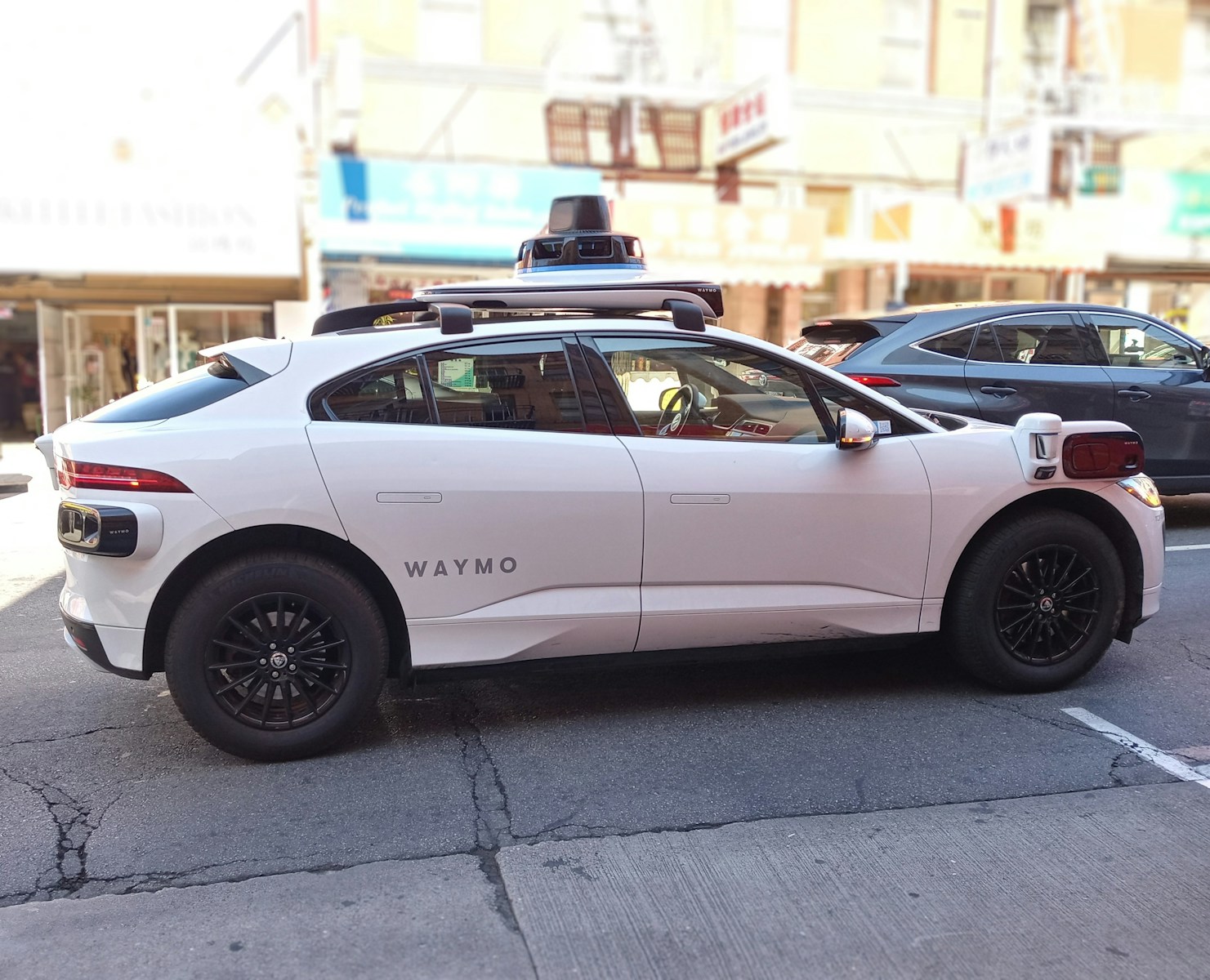

Autonomous vehicles are no longer a futuristic concept—they’re operating in cities across America right now. Seven US cities currently offer robotaxi services, with companies like Waymo, Tesla, and Uber expanding their fleets throughout 2025 and into 2026. Despite this rapid expansion, a majority of Americans remain afraid of robotaxis according to recent studies, even as trust has grown marginally.
The disconnect between technological advancement and public acceptance reveals a complicated story. While robotaxis have become viral sensations as their presence grew in 2025, the reality behind the scenes is more nuanced than many realize. Tesla has over a thousand vehicles registered for its robotaxi fleet in California, but they all still use human drivers.
The path from testing to true public acceptance involves more than just getting cars on the road. What people want goes beyond the technology itself—they want to know how it will benefit them and they want to trust it, according to industry reports. The question isn’t just whether robotaxis work, but whether they can win over a skeptical public.
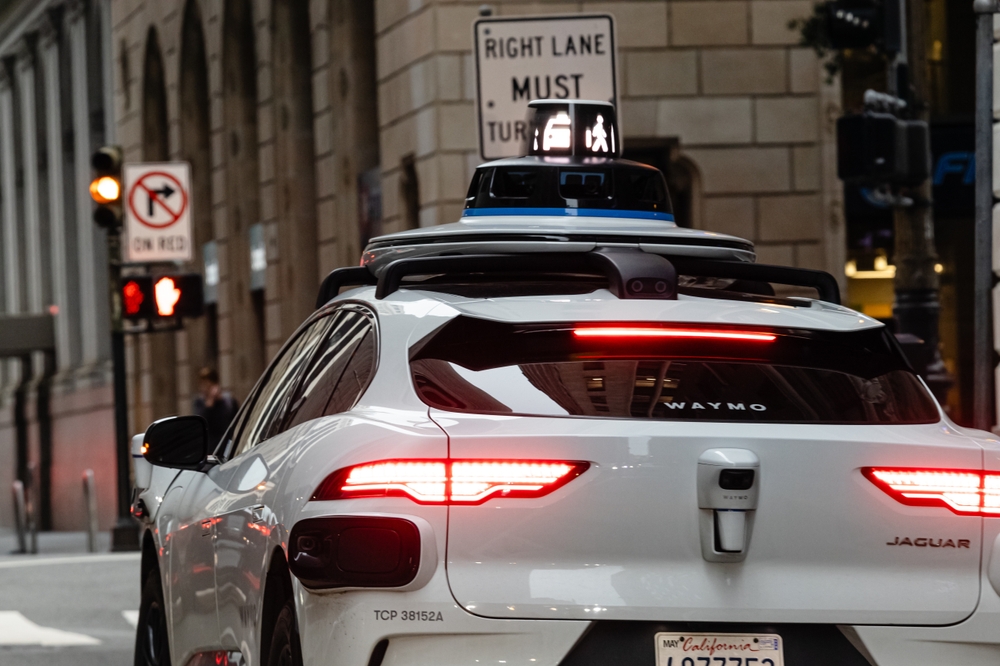
Robotaxis: Reality, Rollouts, and Reluctance
Autonomous ride-hailing services have moved from concept to commercial reality in select cities worldwide. Waymo now provides 150,000 paid rides weekly across three U.S. cities, while companies like Cruise, Zoox, and Apollo Go race to establish their own robotaxi networks amid ongoing public skepticism.
Where Robotaxis Are Operating Today
Waymo leads the U.S. robotaxi market with more than 700 vehicles operating in San Francisco, Los Angeles, and Phoenix. The company plans to expand to Austin and Atlanta in 2025 through a partnership with Uber.
China has issued around 16,000 licenses for autonomous vehicles across more than 20 cities. Apollo Go operates fully driverless ride-hailing in Beijing, Shenzhen, Wuhan, and Chongqing, while AutoX runs fleets in Beijing, Guangzhou, Shenzhen, and Shanghai.
Several other companies are testing driverless cars in limited capacities. Zoox has permits in California and tests vehicles in San Francisco, Las Vegas, Seattle, Austin, and Miami. Cruise resumed testing with safety drivers in Phoenix, Houston, and Dallas after regulatory issues in California.
Toyota-backed May Mobility operates city-funded deployments across seven U.S. states. WeRide and AutoX hold permits to operate in California. International pilots are underway in Japan, Singapore, South Korea, Australia, New Zealand, and several European countries.
Major Players Shaping the Robotaxi Landscape
Waymo (owned by Alphabet) pioneered commercial robotaxi services without safety drivers in 2020. The company uses all-electric vehicles with forward-facing seats and displays showing what the car’s sensors detect.
Cruise, backed by General Motors, paused operations after a 2023 incident where one of its vehicles dragged a pedestrian 20 feet. The company has since partnered with Uber and resumed testing with safety drivers present.
Zoox, an Amazon-backed startup, built a purpose-designed bi-directional vehicle with no steering wheel. Four seats face each other, and the vehicle lacks displays showing external surroundings. The company plans to launch passenger services in San Francisco in 2025.
Tesla announced its Cybercab robotaxi, expected to enter production in 2026. Elon Musk stated Tesla employees in the Bay Area can already request rides through a development app, though a safety driver remains present.
Apollo Go, operated by Chinese tech giant Baidu, has attracted customers with low prices but faced criticism from traditional taxi drivers and viral social media posts showing mishaps like stopping for plastic bags.
Why Drivers Are Hesitant to Trust Self-Driving Cars
Nearly two-thirds of Americans said they would not want to ride in a robotaxi, with safety concerns topping the list. The bar for autonomous vehicle safety appears higher than for conventional cars driven by humans.
Trust issues extend beyond technology to accountability questions. When a Cruise robotaxi dragged a pedestrian in San Francisco, the incident led to stricter regulations and public backlash despite the company’s overall safety record.
The lack of transparency around how these vehicles work contributes to hesitation. Waymo addresses this by showing passengers what the vehicle’s cameras see through interior screens. Zoox takes the opposite approach, designing vehicles without forward-facing windows to let passengers relax rather than monitor the road.
People don’t trust what they don’t understand, and one publicized accident can erase years of positive performance. Companies now publicly discuss their teleoperations centers where human staff provide remote guidance, though the level of intervention varies from 0.6% to 3% of driving time.
Why Trust in Robotaxis Is So Hard to Earn
The challenge facing robotaxi companies isn’t just about perfecting self-driving technology—it’s about convincing a skeptical public that machines can safely navigate unpredictable streets. Companies are struggling with transparency about their operations, dealing with accident fallout, and navigating a patchwork of regulations that vary wildly by location.
Safety Transparency and Public Perception Challenges
Waymo operates over 700 vehicles across San Francisco, Los Angeles, and Phoenix, providing 150,000 paid rides weekly. Yet nearly two-thirds of Americans said they would not want to ride in a driverless vehicle. The gap between operational reality and public comfort remains wide.
Only 27% of people who haven’t ridden in robotaxis feel comfortable sharing the road with them, while just 20% of consumers nationally are comfortable with autonomous vehicle technology being tested on public streets. The disconnect stems partly from what passengers can’t see—how these vehicles actually work.
Waymo addresses this by showing riders what the car sees through dashboard screens displaying pedestrians, cyclists, and other vehicles detected by lidar and camera systems. Megan Neese, Waymo’s head of product and customer research, says passengers need to “know where the car is going, that the car sees what you’re seeing.” Zoox takes the opposite approach with its bi-directional vehicle featuring no forward-facing windows, no steering wheel, and bay-style seating where passengers face each other rather than the road ahead.
Accidents, Investigations, and Media Scrutiny
Cruise lost its California operating permit after one of its vehicles dragged a pedestrian 20 feet in October 2023. The company’s CEO and co-founders resigned, and 900 employees were laid off following the incident. GM reported a $435 million loss on Cruise in a recent quarter despite operations being paused for most of the year.
Baidu’s Apollo Go, operating in Beijing, Shenzhen, Wuhan, and Chongqing, collided with a pedestrian who stepped into traffic at a light. Though the person wasn’t injured, the incident raised questions about how autonomous vehicles handle unexpected situations. Other mishaps spread quickly on Chinese social media, including a robotaxi stopping for a plastic bag and causing a traffic jam, plus two autonomous vehicles stuck in a polite standoff where both tried to give way.
The problem isn’t purely technological—it’s a trust problem and an accountability crisis. When accidents happen, determining responsibility becomes murky. Companies have responded by revealing more about their remote operations, with Zoox’s Fusion Center providing guidance during 1% of driving time and Cruise’s remote assistance offering support for 0.6% of autonomous driving miles.
The Role of Technology and Regulation
The regulatory environment creates additional uncertainty around av deployment. Tesla holds only a permit to test autonomous vehicles with safety drivers in California, yet Elon Musk announced plans to let Tesla owners rent out their vehicles as robotaxis by late 2025. He’s already testing ride-hailing with Tesla employees in the Bay Area using the development app, though safety drivers remain present.
Federal regulations require steering wheels and airbags in vehicles, blocking deployment of purpose-built robotaxis like Zoox’s design. GM CEO Mary Barra says she’s been working with policymakers for six or seven years trying to change Federal Motor Vehicle Safety Standard laws. Musk, now holding a position in the incoming Trump administration, has said he’ll push for updated autonomous vehicle legislation.
China has issued around 16,000 licenses for self-driving cars and buses across more than 20 cities, with Beijing alone approving 33 companies to conduct trials within a 1,160-square-mile area. The UK passed the Autonomous Vehicles Act with robotaxis expected on British roads by 2026. Croatian startup Verne plans rollouts to 11 cities across the EU, UK, and Middle East, including Manchester. This patchwork of different regulatory approaches, testing requirements, and safety standards makes it harder for companies to scale and for the public to understand what autonomous vehicle deployment actually means.
More from Steel Horse Rides: