
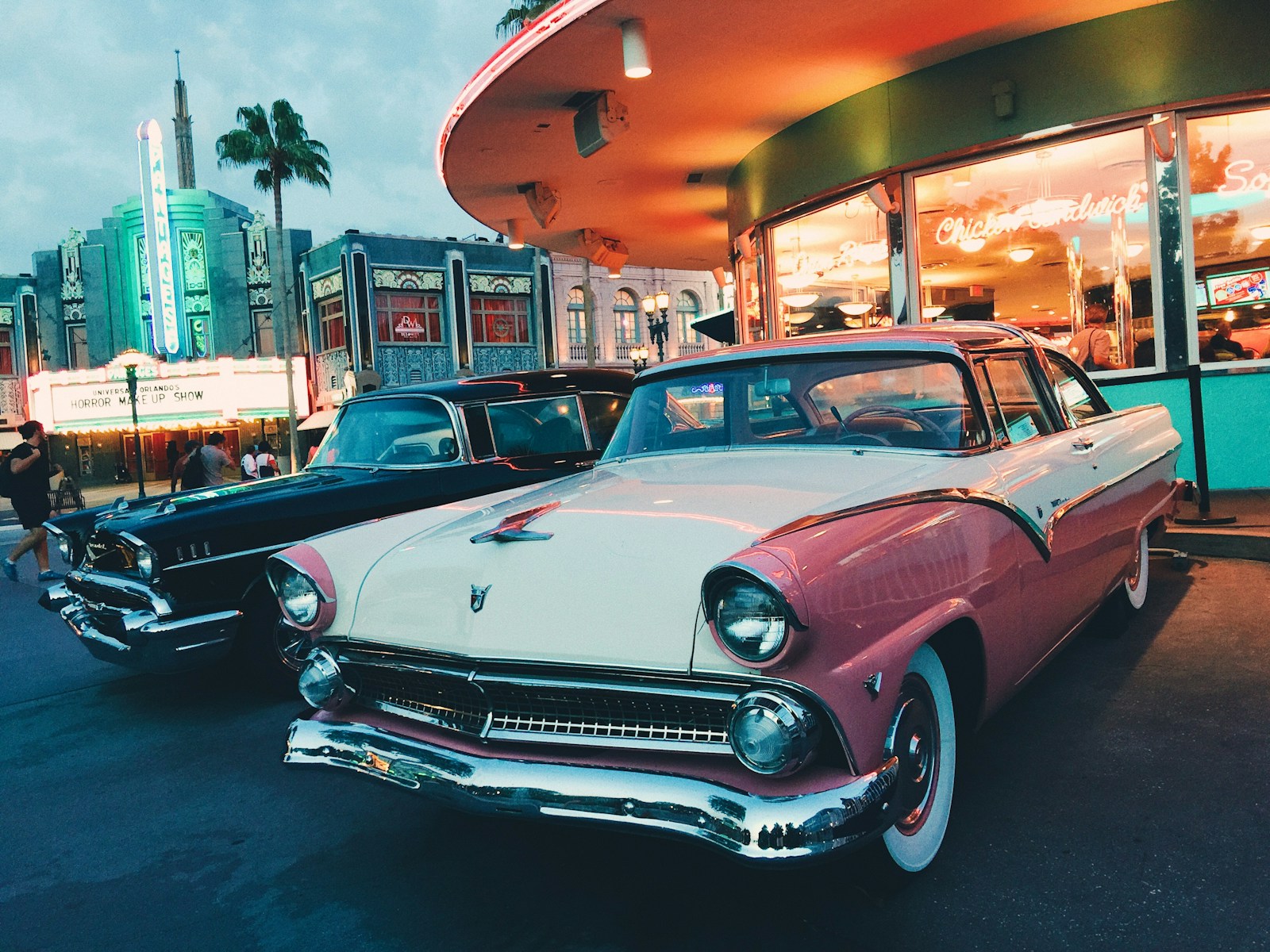

The classic car market is experiencing a dramatic resurgence in 2026, with prices climbing to record levels that were once reserved for rare art pieces. Collectors are racing to acquire vintage vehicles as demand intensifies across generations, pushing the global classic car market from $39.7 billion in 2024 toward a projected $77.8 billion by 2032. The momentum behind this boom shows no signs of slowing down.
What’s fueling this surge goes beyond simple nostalgia. Both longtime enthusiasts and new buyers are entering the market with serious money, and online classic car sales have jumped 12% to $2.5 billion as younger collectors embrace digital purchasing. Some models that were affordable just a few years ago are now commanding prices that have left even seasoned collectors surprised.
The market is telling a complex story, though. While certain vintage vehicles from the 1950s and 1960s have seen values plunge as demand drops off, other models are breaking records at auction. Understanding which cars are rising and which are falling has become crucial for anyone watching this rapidly evolving market.
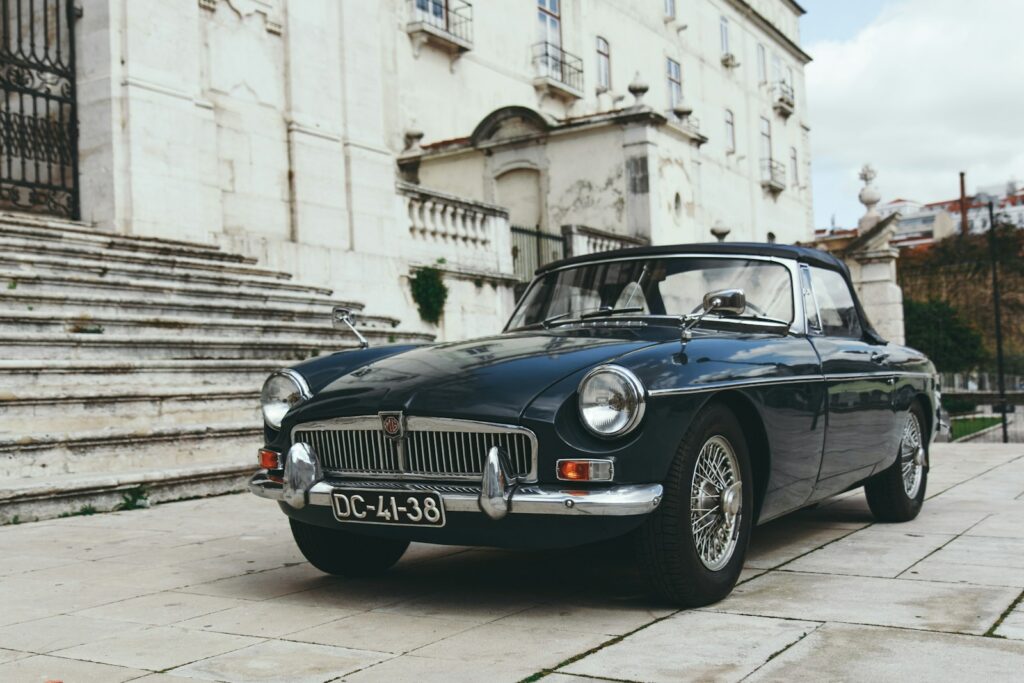
Why Classic Cars Are Surging in Value
The classic car market has entered a new growth phase driven by limited supply meeting increased collector demand, shifting buyer demographics, and heightened media attention that’s bringing automotive history into mainstream investment conversations.
Key Market Trends and Recent Statistics
The classic car market was valued at USD 39.7 billion in 2024 and is anticipated to reach USD 77.8 billion by 2032. This surge reflects more than just inflation—it represents fundamental shifts in how collectors view automotive investments.
Lamborghini models saw a mean value rise of 10% overall in recent market analysis, with particular strength in iconic models from the Diablo and Countach to the Miura. The Miura experienced exceptional appreciation, with every version of the legendary supercar seeing significant value increases during 2024.
The market shows selective appreciation patterns. Italian supercars and Japanese performance cars from the 1990s lead the charge upward, while traditional American muscle cars face corrections after years of astronomical pricing. The Hagerty Market Rating moved into the 50s for only the second time in 13.5 years, indicating a “flat” but stable market rather than speculative volatility.
Buyer Demographics and Growing Demand
Younger collectors are reshaping what gets valued in the classic car world. They’re favoring cars from their formative years and showing greater appreciation for Japanese and European models over traditional American muscle.
Increasing collectibility and demand has emerged as interest in automotive history grows. Models like the 1967 Chevrolet Camaro are becoming increasingly sought after, but so are previously overlooked Japanese sports cars like the Toyota Supra Turbo and Nissan Skyline GT-R.
The Porsche Carrera GT has emerged as a strong performer among these new collectors. Its manual transmission and analog nature appeal to buyers seeking authentic driving experiences. Early Ford GT examples from the mid-2000s follow similar trajectories as collectors recognize their significance in American supercar history.
The Influence of Publishers and Media
Media coverage has transformed classic cars from hobby items into recognized investment vehicles. Automotive publishers and valuation guides now track price movements with the same rigor applied to traditional financial markets, giving collectors data-driven confidence in their purchases.
This coverage creates feedback loops where featured models see increased attention and demand. When major publications highlight specific cars or trends, collector interest follows. The shift has helped legitimize classic car investing beyond traditional enthusiast circles, bringing institutional buyers and younger investors into the market who might have previously focused solely on stocks or real estate.
How Collectors, Designers, and Teams Drive the Market
The classic car market’s recent momentum stems from multiple forces working in tandem. Individual collectors shape what becomes valuable, legendary designers create the icons everyone wants, restoration teams bring neglected vehicles back to life, and digital platforms use tracking tools to connect buyers with sellers globally.
Role of Collectors in Shaping Demand
Collectors have fundamentally altered which vehicles command attention in today’s market. Younger buyers are increasingly influencing auction results, pushing values higher for cars from the 1980s and 1990s rather than pre-war classics.
These new collectors prioritize different qualities than previous generations. They seek vehicles with strong provenance and limited production numbers that connect to their personal memories. Japanese imports and European sports cars from their childhood years now compete directly with traditional American muscle cars.
Digital auction platforms have expanded access to rare vehicles globally. Online classic car sales reached $2.5 billion this year, representing a 12% increase as collectors grew more comfortable making significant purchases without physical inspection.
Legendary Designers and Iconic Models
Specific designers and their signature models continue to define value peaks in the collector market. Pininfarina’s work for Ferrari established styling benchmarks that still influence desirability decades later. Giorgetto Giugiaro’s angular designs from the 1970s have found renewed appreciation among collectors seeking bold aesthetics.
The connection between designer reputation and vehicle value remains direct. Cars bearing signatures from names like Marcello Gandini or Ian Callum command premiums over mechanically similar vehicles with less distinguished styling pedigree. Limited-production models where designers had complete creative freedom typically outperform mass-market variants at auction.
Recent sales data shows Ferrari models increasingly face competition from newer marques. Some vintage Ferraris have gone unsold at major auctions as collectors diversify beyond traditional Italian exotics.
Collaborative Teams and Restoration Projects
Restoration teams have become critical players in maintaining market liquidity. Professional shops with specialized expertise in particular marques can transform neglected barn finds into concours-quality examples worth hundreds of thousands more than their pre-restoration values.
These teams typically include metal fabricators, paint specialists, upholsterers, and mechanical rebuilders who each contribute specific skills. The best restoration houses maintain relationships with parts suppliers and original manufacturer archives to ensure authenticity.
Documentation of restoration work by reputable teams adds tangible value. Buyers pay premiums for vehicles with complete records showing professional work rather than unknown provenance. The team’s reputation often matters as much as the car itself when determining final sale prices.
The Importance of Cookies in Online Marketplaces
Online platforms selling classic cars rely on cookies to track user preferences and streamline transactions. These digital tools help auction sites remember which vehicles a collector viewed previously and suggest similar models based on browsing patterns.
Cookies enable personalized experiences on platforms where online sales have surged to multi-billion dollar levels. They remember login credentials, saved searches, and bidding history across sessions. Without this technology, the convenience driving younger collectors toward digital purchases would diminish significantly.
Privacy-focused collectors can typically adjust cookie settings while still accessing core marketplace functions. Most platforms require essential cookies for transaction security but make analytics and advertising cookies optional.
More from Steel Horse Rides: