
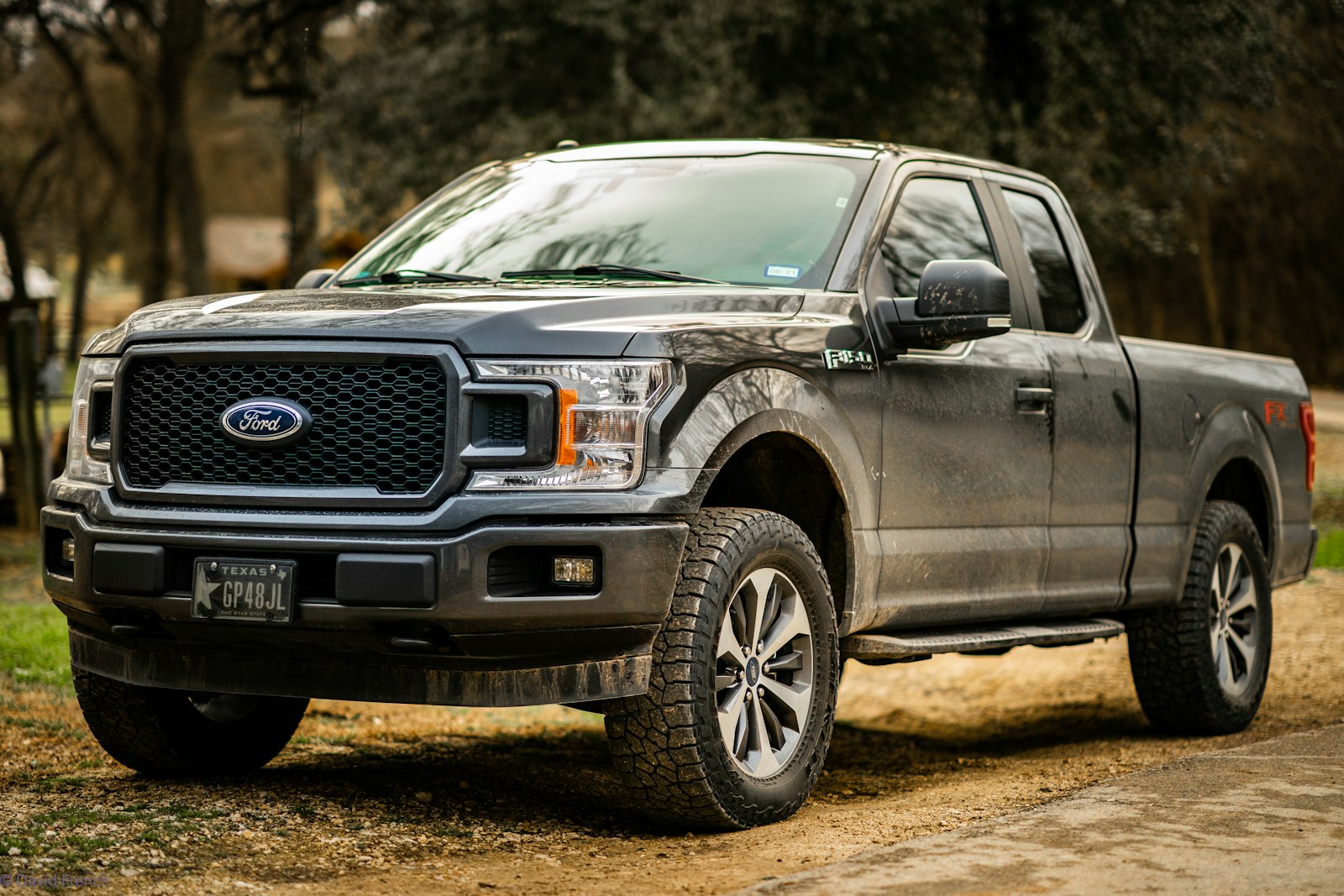

The American pickup truck market is experiencing a quiet shift that’s catching many industry watchers by surprise. Midsize trucks are pulling buyers away from their full-size counterparts as drivers discover they offer better value, improved fuel economy, and capabilities that actually match real-world needs.
While full-size trucks dominated sales in 2024, with models like the Ford F-150 taking the top spots, a growing number of buyers are questioning whether they really need a massive pickup. The gap between midsize and full-size pricing has narrowed significantly, yet the smaller trucks deliver most of what drivers actually use on a daily basis.
This trend isn’t just about saving money at the dealership. Buyers are finding that midsize trucks offer more practical advantages for everyday driving, from easier parking in urban areas to better handling on the road, all while maintaining enough towing capacity for boats, trailers, and weekend projects.
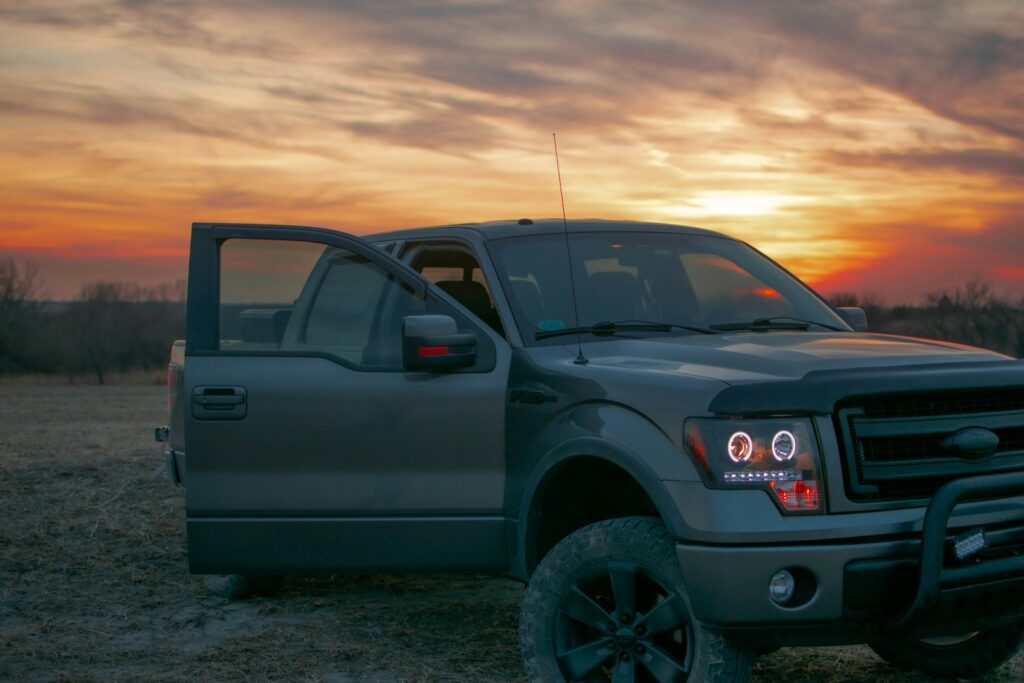
Why Midsize Trucks Are Outselling Full-Size Pickups
The shift from full-size trucks to midsize pickups centers on affordability and practicality, with buyers recognizing that smaller trucks now deliver what they actually need without the premium price tag.
Changing Buyer Priorities
Truck buyers are rethinking what they actually need from their vehicles. Many realized during recent years that they don’t require the heavy-duty capabilities of full-size pickup trucks for their daily routines. The typical buyer today wants something that handles weekend projects and occasional hauling without the bulk.
Midsize trucks are attracting full-size truck buyers with better fuel economy and versatility. These smaller pickups fit more easily into parking spaces and navigate city streets without the stress that comes with maneuvering a massive full-size pickup.
The crew cab configuration in midsize options provides enough passenger space for most families. Extended cab models offer a middle ground for those who occasionally need rear seats but prioritize bed length.
Price and Value Comparison
The price gap between midsize and full-size trucks has narrowed, but midsize pickups still offer more value for average buyers. A well-equipped midsize pickup typically costs several thousand dollars less than a comparable full-size pickup truck, even when both have similar features.
Key Price Factors:
- Lower starting MSRPs for midsize trucks
- Reduced insurance costs
- Better fuel economy translating to long-term savings
- Lower maintenance expenses
Buyers checking Kelley Blue Book values find that midsize trucks hold their resale value competitively. The difference in monthly payments between a midsize and full-size model can reach $100 to $200, money that buyers prefer to keep in their pockets.
Practicality and Everyday Use
Most truck owners don’t use their vehicles as work trucks on construction sites daily. They need something for commuting, grocery runs, and the occasional home improvement haul. Midsize pickup trucks handle these tasks without excess.
The regular cab configuration has nearly disappeared from both segments, as buyers prefer the flexibility of additional seating. Midsize models deliver adequate bed space for hauling lumber, camping gear, or moving furniture—the actual use cases for most owners.
Parking a full-size pickup in urban and suburban areas has become increasingly challenging. Midsize trucks fit standard parking spots without overhanging. They also achieve better fuel economy, which matters when gas prices fluctuate.
How Midsize Trucks Make More Sense for Modern Drivers
Drivers are gravitating toward midsize trucks because they deliver practical advantages in fuel economy, capability, and value that better match real-world needs. These trucks strike a balance between performance and efficiency while costing less to buy and maintain than their full-size counterparts.
Fuel Efficiency and Performance
Midsize trucks consistently deliver better fuel economy than full-size models, which matters when gas prices fluctuate. The Toyota Tacoma, Chevrolet Colorado, and Ford Ranger all achieve better mileage than the Ford F-150 or Chevrolet Silverado 1500 in comparable driving conditions.
Modern midsize trucks pack capable engines that don’t sacrifice power. The Chevy Colorado offers a 2.7-liter turbo engine that produces competitive horsepower while maintaining efficiency. The Honda Ridgeline uses a V6 that delivers smooth acceleration for daily driving and weekend trips.
Full-size trucks like the Ram 1500 and GMC Sierra 1500 burn more fuel because they carry heavier frames and larger engines. The difference adds up quickly for drivers who commute daily or rack up highway miles.
Electric options are emerging in both categories, with the F-150 Lightning and Silverado EV leading the full-size segment. However, these electric pickups carry premium price tags that put them out of reach for many buyers who find traditional midsize trucks more affordable.
Towing and Payload Capabilities
Most drivers don’t need the maximum towing capacity that full-size trucks advertise. The midsize truck’s towing and payload numbers handle typical recreational and work demands without the bulk.
The 2025 Nissan Frontier tows up to 6,720 pounds, while the GMC Canyon handles similar loads. The 2025 Jeep Gladiator tows up to 7,700 pounds, which covers most boat trailers, campers, and utility trailers that average buyers actually haul.
Full-size trucks like the Ford F-Series and Toyota Tundra exceed these numbers significantly. The Ram 1500 Classic and Nissan Titan market themselves on heavy-duty capability. But drivers who occasionally haul a jet ski or move furniture don’t benefit from paying extra for capacity they rarely use.
The Ranger Raptor and similar performance-oriented midsize models prove that smaller frames don’t mean compromised capability. These trucks deliver the truck-like capabilities buyers need without the excess.
Comfort, Features, and Cab Options
Midsize trucks have closed the comfort gap with full-size models in recent years. The 2025 Honda Ridgeline offers a refined interior with technology features that rival luxury SUVs. Leather seats, advanced infotainment systems, and driver assistance features come standard or available across most midsize models.
Crew cab configurations in trucks like the Toyota Tacoma and Ford Ranger provide adequate space for four adults on short trips. The back seats work well for kids, cargo, or occasional passengers. Buyers who prioritize passenger comfort for long trips might still prefer full-size options, but most drivers find midsize cabins sufficient.
The Jeep Gladiator stands out with removable doors and roof panels that no full-size truck offers. Running boards, bed management systems, and premium audio setups appear across midsize lineups just as they do in the Chevrolet Silverado 1500 or F-150.
Technology packages in midsize trucks now include features like adaptive cruise control, wireless charging, and smartphone integration that were once exclusive to pricier full-size models.
Resale Value and Cost of Ownership
Midsize trucks hold their value remarkably well, with the Toyota Tacoma leading the segment for resale strength. Lower purchase prices mean buyers pay less in depreciation even if the percentage drop matches full-size trucks.
Insurance costs run lower for midsize models because replacement parts cost less and repair bills stay smaller. Registration fees in many states tie to vehicle weight, giving lighter midsize trucks another advantage over heavy full-size pickups.
Maintenance expenses favor midsize trucks across the board. Smaller engines require less oil, tires cost less to replace, and brake components wear more slowly. The money savings extend beyond the sticker price into years of ownership.
The Chevrolet Colorado and GMC Canyon share parts and service networks with other GM vehicles, keeping maintenance accessible and affordable. These practical considerations matter more to daily drivers than maximum towing specs they’ll never need.
More from Steel Horse Rides: