
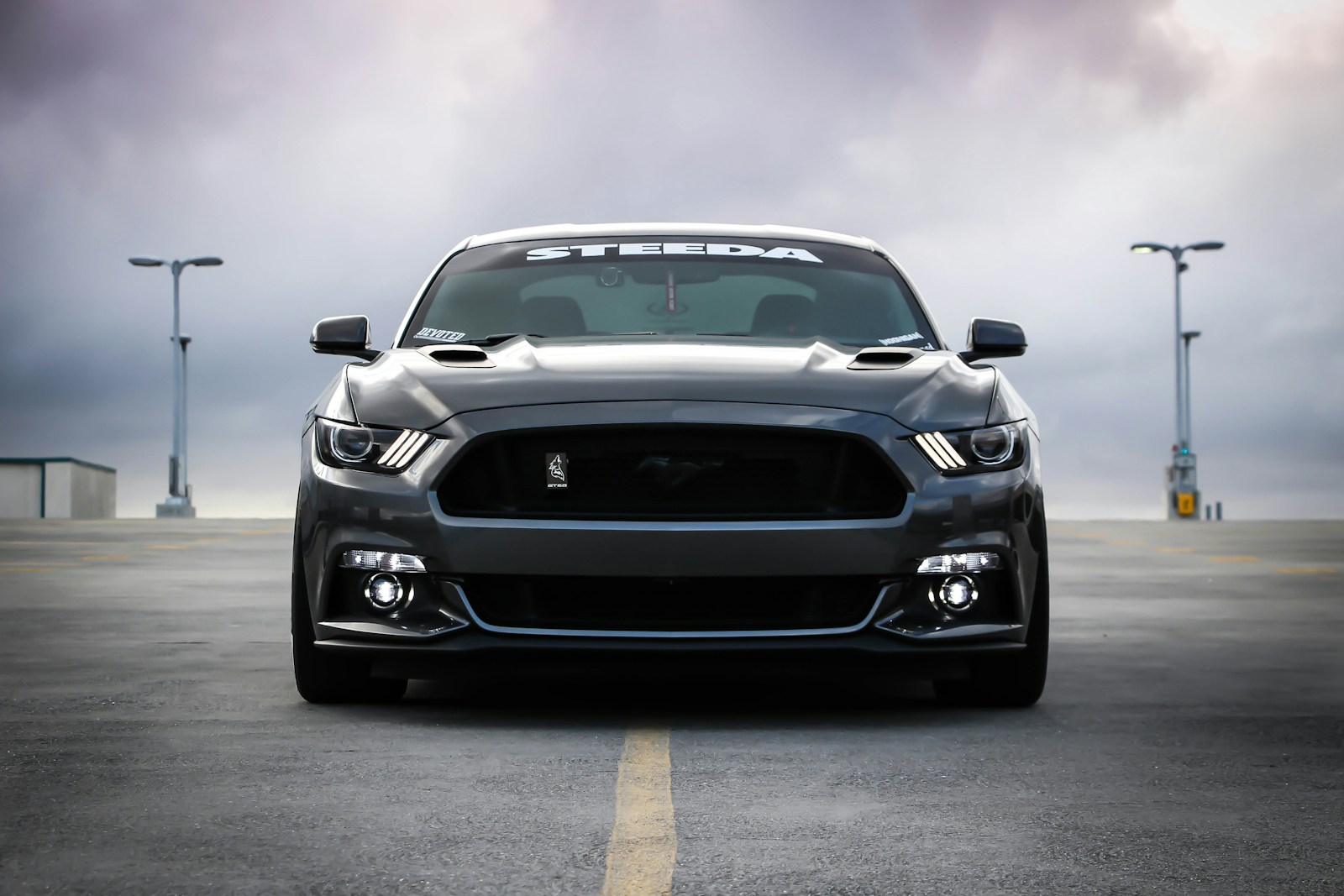

Parking lots across the country are filling up again with rows of modified cars, their owners gathered under streetlights swapping stories and comparing builds. Attendance at local car meets has surged by over 40% in the past year, marking a dramatic resurgence of grassroots automotive culture that’s pulling in Gen Z and young millennials at unprecedented rates. What started as scattered gatherings during the pandemic has exploded into a full-blown movement that’s reshaping how enthusiasts connect.
The revival isn’t just about the vehicles themselves. Car meet culture has evolved beyond simple parking lot hangouts into dynamic social events where communities form around shared passion, creative expression, and the thrill of hands-on automotive craftsmanship. Social media has amplified the phenomenon, turning local gatherings into viral spectacles that attract newcomers eager to experience the culture firsthand.
From JDM tuners to electric builds and classic muscle, the diversity of cars and crowds reflects a broader shift in what brings people together. Cities that once viewed these gatherings with skepticism are now beginning to integrate car culture into urban planning, recognizing the economic and social value these events bring to local communities.
Car Meets Are Bigger Than Ever Again
Car meets are experiencing a surge in popularity that hasn’t been seen in over a decade, with attendance jumping over 40% in the past year as younger generations flood into parking lots and track events across the country.
What’s Fueling the Massive Comeback
The return to in-person gatherings after pandemic lockdowns created a hunger for real-world connection that car meets satisfy perfectly. People spent years staring at screens during Zoom calls and virtual events, and now they’re seeking authentic experiences where they can interact face-to-face with others who share their interests.
Nostalgia plays a significant role in drawing younger enthusiasts to car meet culture. Gen Z and millennials who grew up watching Fast & Furious movies or playing racing games like Need for Speed are now old enough to own and modify their own vehicles. They’re turning those childhood fantasies into reality at local meets.
The accessibility of car modifications has also exploded. 3D printing, budget-friendly tuning software, and countless DIY tutorials have made it easier than ever for newcomers to customize their rides without needing expert-level mechanical knowledge.
How Social Media and Pop Culture Are Making Meets Boom
Platforms like TikTok, Instagram, and YouTube function as powerful amplifiers for car culture events. A single viral video of a modified Honda Civic or a late-night drift session can draw thousands of people to an event that might have previously attracted a few dozen locals.
Organizers aren’t just using social media to promote their meets—they’re building entire brand identities around them. Event pages showcase highlight reels, behind-the-scenes content, and attendee spotlights that turn participants into micro-influencers within the community. Instagram has become the unofficial bulletin board where event flyers circulate through stories and posts, reaching audiences far beyond traditional word-of-mouth promotion.
The content creation aspect has transformed how people approach meets. Attendees now show up with camera gear, planning their shots and building personal followings through their documentation of the scene.
Trends in Attendance and Participation
The demographic makeup of car meets has shifted dramatically. What used to be dominated by middle-aged muscle car enthusiasts now includes significant representation from drivers in their late teens and early twenties. Young drivers are flooding meets at rates not seen since the early 2000s import tuner boom.
The types of vehicles showing up have diversified too. Electric vehicles are becoming regular fixtures at meets, with Tesla owners and EV conversion project builders joining traditional import and domestic crowds. The scene has become more inclusive rather than fractured into separate camps.
Modern meets have evolved beyond simple car displays. They now feature food trucks, DJ sets, merchandise vendors, and even tattoo artists setting up booths. These additions transform what used to be parking lot hangouts into full-scale events that attract people who might not even own a modified car but appreciate the cultural experience.
The Culture Behind the Growth
Car meets have transformed into cultural hubs where fashion, music, and food blend with automotive passion, while influencers and online communities amplify their reach to thousands of new attendees.
Community, Connection, and Lifestyle
Car meets in 2025 have evolved far beyond simple parking lot gatherings. They’ve become full-scale cultural experiences complete with DJs spinning sets, food trucks serving street food, and vendors selling branded merchandise.
Some events even feature tattoo artists setting up mobile stations. The atmosphere resembles a festival more than a traditional car show.
After years of pandemic isolation, people are seeking real-world connections through shared interests. Car meets offer outdoor venues where strangers become friends over a mutual love of modified builds and automotive craftsmanship. These gatherings give enthusiasts something to work toward—whether finishing a turbo conversion before summer or planning a road trip with a crew to a major regional event.
The modified lifestyle culture extends beyond the vehicles themselves. Attendees coordinate outfits, document their experiences for social media, and treat each meet as a social milestone rather than just another weekend activity.
Organizing and Running Large-Scale Car Meets
Major car meets in 2026 require significant planning and coordination. Organizers now scout locations months in advance, securing permits from city officials and arranging insurance coverage for events that can draw thousands of participants.
Some cities are integrating car culture into urban planning strategies and cultural tourism initiatives. Others still view meets as potential sources of noise complaints and traffic issues.
Event organizers typically use dedicated social media accounts to build brand identities around their meets. They create content calendars, design promotional graphics, and coordinate with local law enforcement to ensure smooth operations. Large-scale events often charge entry fees to cover expenses like security staff, portable restrooms, and professional photography.
The logistics include managing parking flow, setting up designated spectator areas, and establishing rules about burnouts or excessive revving. Many organizers bring in sponsors from aftermarket parts companies and local automotive shops to offset costs.
The Role of Influencers and Online Groups
TikTok and Instagram have become essential tools for promoting car meets and building anticipation. A single viral video of a modified car can generate thousands of views and translate directly into event attendance.
Influencers with large followings often announce which meets they’ll attend, driving crowds of fans who want to see featured builds in person. These content creators document every angle of their vehicles, share behind-the-scenes footage of modifications, and post real-time updates from events.
Online groups on platforms like Facebook serve as digital headquarters where members share meet dates, coordinate carpools, and exchange technical advice. The immediacy of social media means news about surprise celebrity appearances or rare vehicle sightings spreads within minutes.
Influencers have also changed how people approach building their cars. Followers study popular builds, replicate modification styles, and use the same aftermarket parts they see featured in videos. This creates trends that ripple through entire regional car scenes.
More from Steel Horse Rides: