

The automotive industry’s darkest chapters aren’t just historical footnotes. Many of the most notorious auto safety scandals from past decades continue to influence vehicle design, regulatory oversight, and consumer protection laws that affect every driver on the road today. From exploding fuel tanks to faulty ignition switches, these automotive scandals shook the industry and exposed how corporate decision-making sometimes prioritized profits over human lives.
The consequences of these scandals extended far beyond the immediate recalls and lawsuits. Companies paid billions in fines, partnerships crumbled, and some manufacturers never recovered from the reputational damage. More importantly, each scandal revealed dangerous gaps in safety standards that regulators scrambled to address.
What makes these controversies and consumer issues particularly shocking is how long some companies knew about deadly defects before taking action. Internal memos and investigations revealed that executives sometimes calculated whether fixing problems would cost more than settling wrongful death lawsuits. The legacy of these decisions still shapes how automakers approach safety testing and transparency decades later.

Legacy of the Biggest Auto Safety Scandals
The aftermath of major automotive safety scandals continues to affect how cars are built, regulated, and recalled. These incidents led to fundamental changes in federal oversight, forced billions in settlements, and created new standards that protect drivers on the road today.
Takata Air Bag Recalls and Warnings
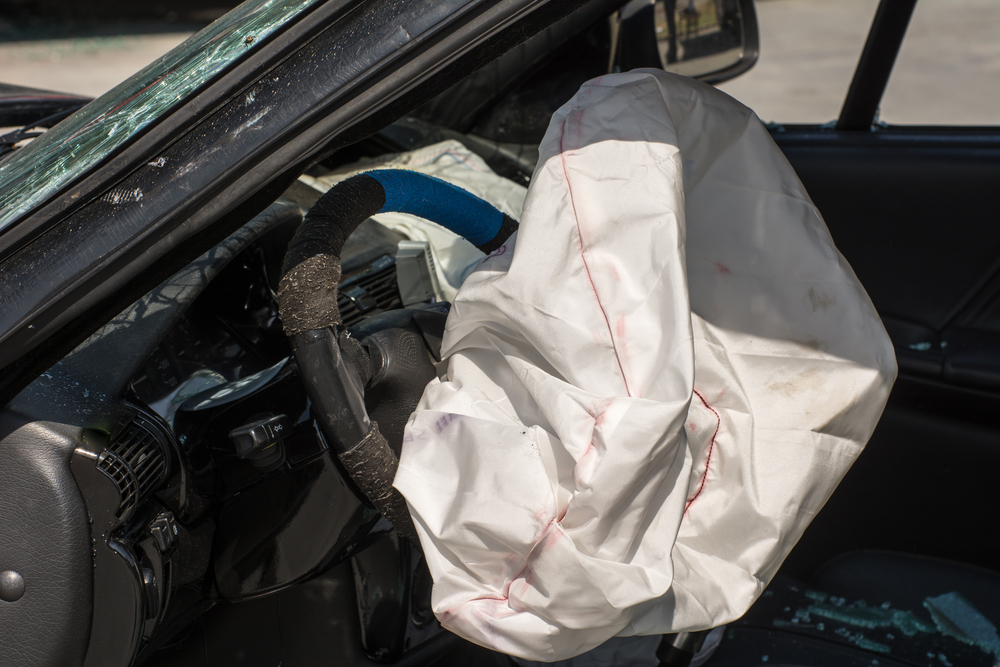
The Takata airbag recall remains the largest in automotive history, affecting over 100 million airbag inflators worldwide across more than 20 different automakers. The defective airbags exploded with deadly force, sending metal shrapnel into vehicle cabins.
As of 2024, at least 35 deaths and hundreds of injuries have been linked to the faulty inflators. The NHTSA continues to issue warnings about vehicles still on the road with unrepaired Takata airbags, particularly in regions with high heat and humidity where the defect becomes more dangerous.
Affected Manufacturers Include:
- Honda
- Toyota
- Ford
- BMW
- Mazda
- Nissan
The scandal bankrupted Takata and resulted in billions in fines and settlements. Some vehicles from the mid-2000s still carry these dangerous airbags because owners haven’t responded to recall notices.
Automotive Safety Laws Changed by Scandal
Major automotive scandals shaped the industry’s safety regulations through congressional action and federal rule-making. The Ford Pinto disaster in the 1970s exposed how cost-benefit analyses prioritized profits over lives, leading to stricter fuel system integrity standards.
The GM ignition switch scandal prompted the Senate and House to pass legislation requiring faster disclosure of safety defects. Congress also increased maximum fines the NHTSA could levy against automakers from $35 million to $105 million per violation.
These scandals revealed gaps in reporting requirements that allowed companies to hide known defects for years. New laws now mandate that automakers report potential safety issues to federal regulators within five days of discovery.
NHTSA’s Role in Safety Investigations
The NHTSA’s authority expanded significantly after repeated failures to catch deadly defects early. The agency faced criticism for relying too heavily on manufacturer-reported data rather than conducting independent investigations.
Following the Toyota unintended acceleration crisis and GM ignition switch deaths, the agency received additional funding and tech resources to analyze vehicle data. The NHTSA now uses AI and advanced analytics to identify patterns in consumer complaints that might signal emerging safety problems.
The agency’s investigation into Ford’s transmission defect between 1966 and 1980 showed the limitations of voluntary compliance. Despite 23,000 complaints and 77 deaths by 1984, Ford avoided a full recall by issuing warning stickers instead of fixing the design flaw.
Economic and Political Repercussions for Automakers
Toyota paid a $1.2 billion fine in 2014 for covering up unintended acceleration problems, while GM faced a $900 million penalty for the ignition switch disaster. These financial penalties represented a shift toward holding executives personally accountable.
The political fallout extended beyond fines. Media coverage of safety scandals damaged brand reputations for years, with Audi’s U.S. sales plummeting from 74,000 units in 1984 to just 12,000 in 1991 after the unintended acceleration allegations.
The global economy felt ripple effects as supply chains reorganized around new safety requirements. The Ford-Firestone tire disaster ended a century-long business partnership and forced tire manufacturers worldwide to implement stricter quality controls. Political pressure from Congress led to the Transportation Recall Enhancement, Accountability and Documentation Act, giving regulators more tools to police the industry.
How Auto Safety Scandals Still Impact Drivers Today
Past safety failures continue to shape vehicle standards, influence recall procedures, and introduce new technological vulnerabilities that affect millions of drivers navigating modern roads.
Modern Car Seats and Child Safety Innovations
The evolution of car seats traces back to catastrophic failures that forced manufacturers to rethink child protection. After decades of injuries and deaths, federal regulations now require rigorous crash testing for child restraints. These standards emerged from scandals where companies prioritized business profits over health outcomes.
Today’s car seats incorporate advanced materials and engineering principles that weren’t available during earlier safety crises. Manufacturers use side-impact protection, energy-absorbing foam, and multi-point harness systems. The National Highway Traffic Safety Administration estimates proper car seat use reduces fatal injury risk by 71% for infants.
Despite improvements, ongoing issues with vehicle recalls still plague the industry. Some car seat models face recalls years after hitting the market, when testing reveals buckle malfunctions or structural weaknesses. Parents often discover these problems only after media coverage or government intervention forces companies to act.
Ongoing Issues With Vehicle Recalls and Compliance
The Takata airbag recall remains the largest in automotive history, affecting over 67 million airbags as of 2024. Drivers still discover their vehicles contain these defective components, which can rupture and send metal shrapnel into passenger compartments. The crisis demonstrates how safety scandals persist long after initial announcements.
Ford recalled over 402,000 vehicles in just two days during October 2025, marking one of the year’s most significant safety events. GM’s 2014 ignition switch scandal revealed the company knew about deadly defects for a decade before taking action, resulting in at least 24 deaths.
Many proposed fixes for the recall system have stalled, largely because major automakers resist changes that would increase oversight. The current system allows manufacturers to delay recalls or issue fixes that don’t fully address underlying problems.
Technological Advances and New Risks in the Auto Industry
Tesla recalled 4.1 million vehicles in 2022 after its self-driving tech failed to stop at stop signs and mistakenly entered turn-only lanes. The company’s AI systems introduced vulnerabilities that traditional vehicles never faced. Video footage from these incidents showed cars making dangerous decisions that confused basic traffic rules.
The push toward autonomous driving brings science fiction closer to reality, but also creates novel safety concerns. Software updates can fix some issues remotely, yet they also mean cars become vulnerable to glitches that affect millions of vehicles simultaneously. Tesla’s 2024 Cybertruck recall involved nearly all 12,000 units produced, with problems ranging from windshield wipers to bed trim that could detach and create road hazards.
Homeland Security officials now monitor automotive cybersecurity threats, recognizing that connected vehicles face hacking risks. The intersection of tech innovation and safety regulation creates gaps where problems slip through testing protocols designed for mechanical systems rather than software-driven components.
More from Steel Horse Rides: