
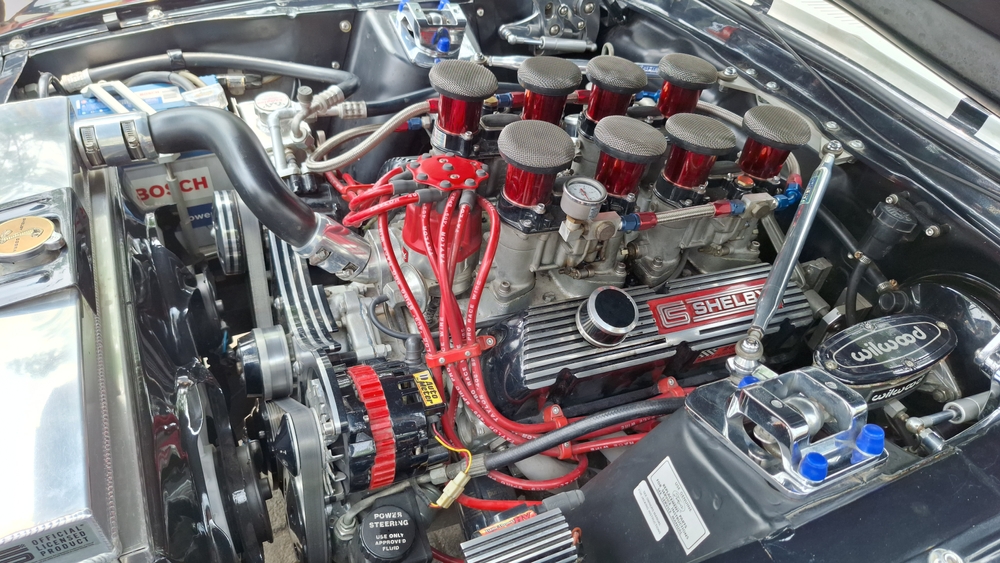

The distinctive rumble of a V8 engine has been synonymous with American automotive culture for over six decades, but that iconic sound is becoming increasingly rare on modern roads. V8 engines are rapidly disappearing from new vehicles due to stricter emissions regulations, fuel efficiency requirements, and the rise of electric and turbocharged alternatives that deliver comparable performance with lower environmental impact. The Chevrolet Camaro ended production in 2024, while the Dodge Charger concluded its traditional gas-powered V8 run in late 2023, signaling a dramatic shift in the performance car landscape.
The decline of the V8 has sparked heated debate among automotive enthusiasts and everyday drivers alike. Some view the transition as an inevitable and necessary step toward a cleaner, more efficient future, while others mourn the loss of what they consider an irreplaceable part of automotive heritage. Major automakers are phasing out V8s as they pivot toward electrification and smaller turbocharged engines that meet modern regulatory standards.
The question isn’t just about engine specifications or horsepower figures. It’s about whether the automotive industry should preserve traditional performance markers or embrace new technologies that redefine what driving excitement means. Even legendary models like the Ford Mustang and Chevrolet Corvette now exist in an uncertain space, clinging to their V8 heritage while facing mounting pressure to evolve or risk extinction.
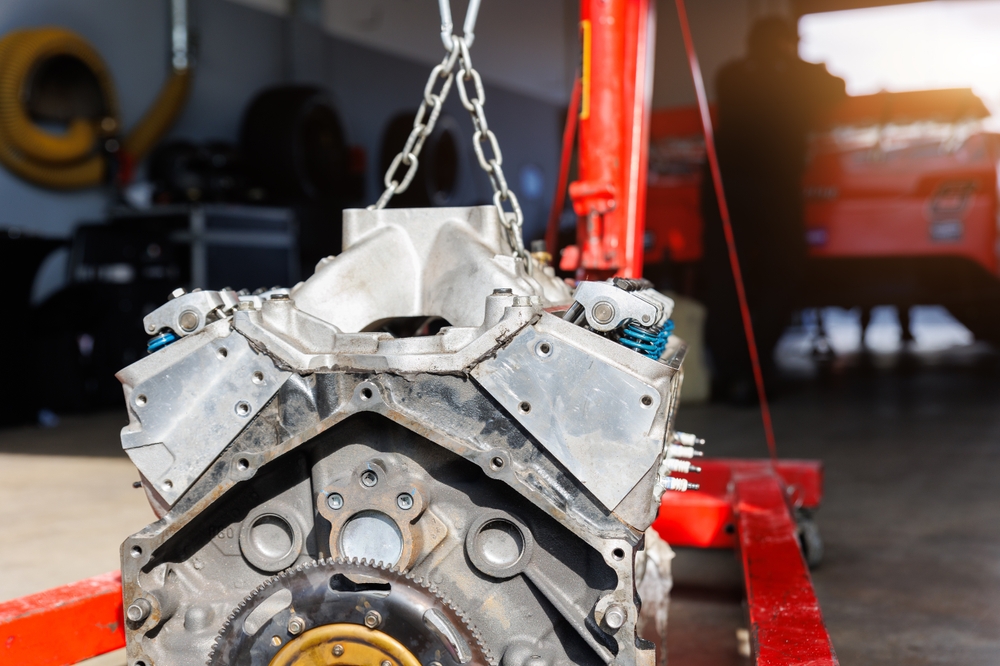
Why the V8 Engine Is Fading Away
The decline of V8 engines stems from stricter government regulations, rapid advances in turbocharged technology, shifting buyer priorities toward efficiency, and the mounting costs of owning and maintaining these powerful but thirsty motors.
Regulatory and Environmental Pressures
Government mandates are pushing automakers away from V8 engines faster than market demand alone would suggest. Corporate Average Fuel Economy standards in the United States require manufacturers to meet fleet-wide fuel efficiency targets. Every V8-powered truck getting 17 miles per gallon drags down the company’s average, forcing them to sell more fuel-sipping compact cars or electric vehicles to compensate.
Europe and China enforce their own strict emissions standards, creating a global regulatory web that makes regional V8 programs financially unviable. Automakers now design engines for worldwide compliance rather than building special versions for North America.
Making a modern V8 meet current emissions requirements demands expensive technology like gasoline particulate filters, advanced catalytic converters loaded with precious metals, and sophisticated engine management systems. These additions cost thousands of dollars without adding horsepower. Many manufacturers have decided the investment isn’t worth it for an engine configuration that serves a shrinking market segment.
Automotive Technology and Engine Downsizing
Turbocharged V6 engines now deliver V8-level power while consuming less fuel and weighing hundreds of pounds less. A turbocharger uses exhaust gases to spin a turbine that forces extra air into the cylinders, allowing a smaller engine to produce disproportionate power. Ford’s 3.5-liter EcoBoost V6 generates over 400 horsepower and 500 lb-ft of torque, matching or exceeding many naturally aspirated V8s.
Modern twin-turbo systems eliminate the lag that plagued earlier designs. Technologies like twin-scroll turbos and variable geometry turbines provide nearly instant throttle response. The power delivery differs from a V8’s linear build, with turbo engines producing massive torque at lower RPMs where drivers actually use it for daily driving and towing.
Modular engine platforms let manufacturers build three-cylinder, four-cylinder, and V6 engines using shared components. This approach slashes development costs and simplifies production. A standalone V8 program doesn’t fit this efficient manufacturing model, making it an expensive outlier.
Changing Consumer Preferences
Truck buyers who once demanded V8s now choose turbocharged V6 options that offer superior towing ratings and better fuel economy. The practical advantages outweigh nostalgia for many fleet managers and contractors who need maximum capability at lower operating costs.
Younger buyers show less attachment to V8 engines than previous generations. They prioritize technology features, connectivity, and overall efficiency over engine configuration. The cultural connection to V8 muscle cars and hot rods doesn’t resonate as strongly with drivers who grew up in an era of turbocharged performance and electric acceleration.
Performance enthusiasts increasingly embrace hybrid systems that combine gasoline engines with electric motors. These setups deliver instant torque and blistering acceleration that pure V8s struggle to match, even if they lack the signature rumble.
Economic and Ownership Challenges
The total cost of V8 ownership extends well beyond the initial purchase price premium. Fuel expenses can run hundreds or thousands of dollars higher annually compared to turbocharged alternatives. Some inefficient models face federal gas guzzler taxes that add to the financial burden.
Insurance companies often charge higher premiums for V8-powered vehicles due to their performance capabilities and replacement costs. Maintenance expenses also tend to run higher, with more cylinders requiring more spark plugs, fuel injectors, and other consumable parts.
Raw material costs make V8 production increasingly expensive. These engines require significantly more aluminum, iron, and steel than smaller alternatives. Supply chain volatility and fluctuating commodity prices make the physically larger V8 a riskier bet for manufacturers trying to control costs and maintain profit margins in competitive segments.
Debate Among Drivers: Should the V8 Survive?
The conversation around V8 engines has split drivers into camps with strong feelings about power, practicality, and the future of American automotive culture. Some point to performance thrills that can’t be replicated, while others highlight the maintenance headaches and costs that come with owning these powerful motors.
Performance and Emotional Appeal
American drivers remain loyal to the V8’s rumble despite the push toward electric vehicles and smaller turbocharged engines. Enthusiasts argue that the visceral experience of a V8 can’t be matched by a four-cylinder turbo or hybrid system. The sound, the torque delivery, and the raw power create a connection between driver and machine that goes beyond specifications.
Many performance-focused buyers still seek out V8-powered vehicles specifically for their acceleration characteristics and towing capacity. The engine’s ability to produce substantial low-end torque without relying on turbo lag makes it appealing for truck owners and sports car enthusiasts alike. Critics of the shift away from V8s point out that while newer engines may match horsepower figures on paper, they don’t replicate the driving feel that has defined American performance cars for generations.
Reliability and Maintenance Concerns
V8 ownership comes with potential maintenance issues that have turned some drivers away from these engines entirely. Blown head gaskets remain one of the most expensive repairs V8 owners face, particularly in higher-mileage vehicles. A head gasket leak can lead to a car losing coolant rapidly, which many owners don’t notice until engine overheating causes serious damage.
Even seemingly minor problems like a bad radiator cap can escalate quickly in V8 engines due to their heat output and cooling system demands. The complexity of modern V8s, with their multiple camshafts and cylinder deactivation systems, has added diagnostic challenges that increase repair costs. Some mechanics report that V8 maintenance requires more specialized knowledge compared to simpler four-cylinder configurations, making routine service more expensive for owners.
Future of Iconic Models
The 2025 year marked the beginning of the end for V8 engines in several legendary nameplates. Dodge discontinued the V8-powered Charger and Challenger, replacing them with turbocharged six-cylinder and electric alternatives. Chevrolet ended Camaro production, leaving uncertainty about whether the nameplate will return with a V8 option.
Industry observers have begun speculating about which vehicle will be the last V-8 standing as automakers shift their lineups. Ford’s Mustang continues with V8 availability, while GM truck platforms maintain the option for buyers willing to pay premium prices. The question of how many V8-powered American vehicles will remain in 2026 has become a topic of discussion among enthusiasts watching their options shrink year by year.
Common Issues Linked to V8 Ownership
Beyond the emotional debate, owners report specific problems that affect their decision to stick with V8s or switch to alternatives. Fuel costs remain a significant concern, with V8 engines typically achieving 15-20 mpg in mixed driving compared to 25-30 mpg for turbocharged alternatives. Insurance premiums for V8-powered vehicles often run higher due to performance classifications and repair costs.
The weight of V8 engines affects handling characteristics in ways that matter to some drivers but not others. Sports car buyers sometimes find that lighter four-cylinder or six-cylinder alternatives offer better balance and cornering ability. Truck owners, however, generally prefer the V8’s durability for heavy-duty applications despite the added weight and fuel consumption.
More from Steel Horse Rides: