
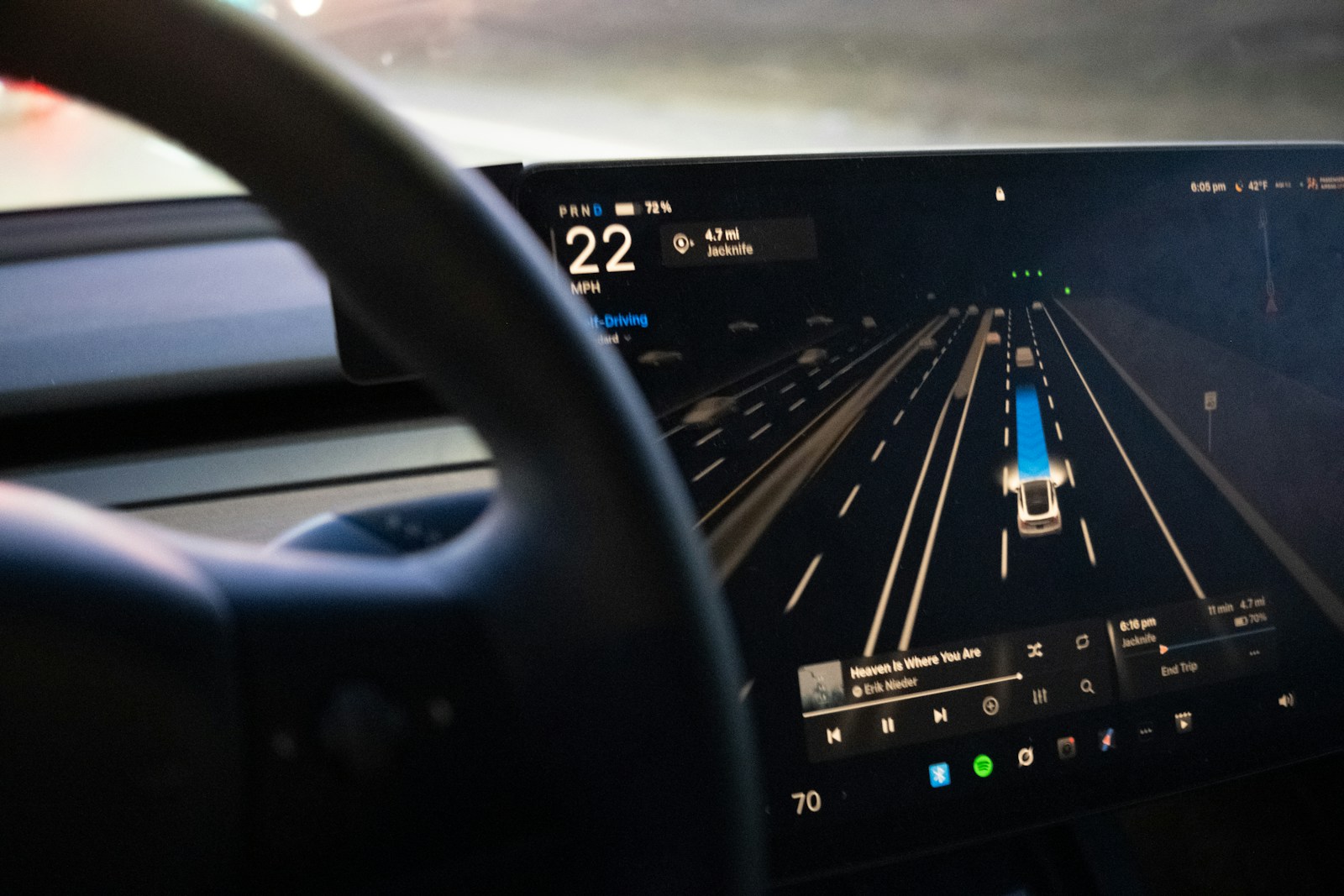

Driver assist technology has transformed how people navigate roads, promising safer commutes through features like automatic braking, lane-keeping assistance, and adaptive cruise control. These systems were designed to reduce accidents and save lives by catching human errors before they lead to crashes. Yet a growing concern has emerged about whether these helpful tools are creating a new problem.
Research shows that many drivers treat driver-assist technology as if it were fully self-driving, leading them to engage in activities like texting or eating behind the wheel when these features are active. A study by the Insurance Institute for Highway Safety found that a majority of 600 surveyed drivers who regularly use manufacturer assistance tools were more likely to perform non-driving activities while relying on the technology. The issue isn’t just about distraction—it’s about fundamental changes in how people approach driving.
The debate has intensified as modern car safety features face criticism for encouraging complacency among drivers. While these systems help prevent common crashes, questions remain about whether the technology has advanced faster than drivers’ understanding of its limitations. The tension between innovation and overreliance is reshaping conversations about road safety.
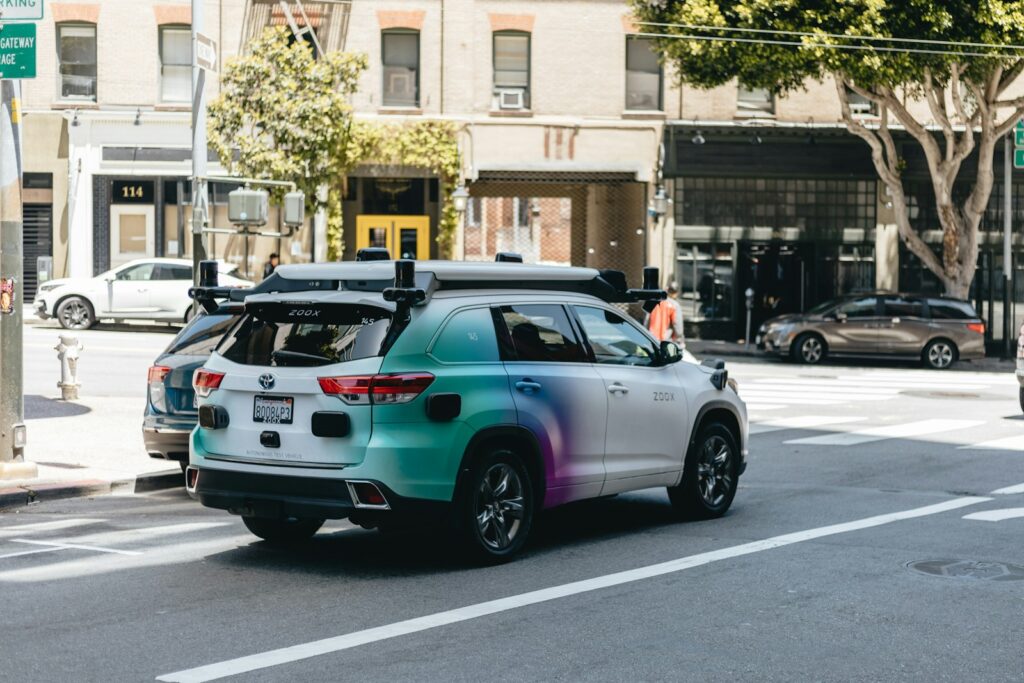
Why Driver Assist Features Are Meant to Help—and Where They Go Too Far
These systems were designed to catch human mistakes and prevent crashes, but their real-world performance tells a more complicated story. Some features deliver measurable reductions in collisions and fatalities, while others create new problems that have drivers reaching for the off switch.
Advanced Driver Assistance Systems: What They Do and Why They Matter
Advanced driver-assistance systems use sensors and cameras to monitor what’s happening around a vehicle and intervene when danger appears. The technology operates in the background, scanning lane markings, measuring distances to other cars, and watching for obstacles that drivers might miss.
ADAS features work as a safety net rather than a replacement for human attention. They’re built to assist, not take over. Modern ADAS monitors traffic, lane markings, and pedestrians while helping drivers avoid crashes without fully controlling the vehicle.
The National Highway Traffic Safety Administration oversees how these technologies are tested and marketed to consumers. NHTSA’s role includes educating buyers about what these systems can and cannot do, though confusion remains widespread about their capabilities and limitations.
Key Benefits: Safety Tech That’s Measurably Saving Lives
The numbers show these systems work when they’re actually being used. Autonomous emergency braking cuts rear-end collisions by 50% in the United States, while forward-collision warning alone reduces these crashes by 27%.
A recent international study found that lane-keeping assist delivered a 19.1% reduction in crash rates, particularly for severe crashes. Automatic emergency braking lowered rear-end and intersection crash rates by 10.7%, and blind spot monitoring cut lane-change collisions by 3.5%.
Not all features perform as expected. Adaptive cruise control showed an 8% increase in crash rates in some studies, possibly because drivers over-rely on the technology or use it in complex traffic situations where it struggles. Regular cruise control performed even worse, linked to a 12% jump in crash risk.
The Core Features: Lane Keeping, Emergency Braking, and More
Lane keeping assistance uses cameras to detect road markings and applies gentle steering inputs to keep vehicles centered in their lanes. The system aims to prevent run-off-road and lane-departure collisions, which are among the deadliest crash types on highways.
Automatic emergency braking activates when sensors detect an imminent collision, applying the brakes faster than most drivers can react. It’s particularly effective in preventing rear-end crashes in stop-and-go traffic.
Blind spot monitoring alerts drivers when another vehicle enters the areas that mirrors don’t cover. Adaptive cruise control maintains a set speed while automatically adjusting distance from the car ahead, though its safety record remains mixed compared to other driver assistance systems.
The Insurance Institute for Highway Safety has documented how these technologies reduce insurance claims and injury rates across multiple vehicle categories. Yet despite proven benefits, nearly one in five Australian motorists with equipped vehicles have disabled at least one feature.
Are Driver Assist Features Making Us Too Comfortable Behind the Wheel?
Driver assistance technologies promise safer roads, but research shows they may be creating unexpected problems. Drivers are treating partial automation like full self-driving capability, leading to increased distraction and a troubling pattern of learned behaviors that undermine safety.
Overreliance and Complacency: When Drivers Lose Focus
The Insurance Institute for Highway Safety found something troubling when they studied 600 drivers who regularly use manufacturer assistance tools. A majority admitted they were more likely to perform non-driving activities like eating or texting while these features were active.
The month-long study tracking 29 volunteers using a 2017 Volvo S90 with Pilot Assist revealed that drivers engaged in distracting visual-manual activities more often when using the system than while driving unassisted. This held true regardless of how frequently they used the feature.
Research on Tesla’s Autopilot showed similar patterns. Drivers adapted their behavior to game the attention monitoring system, learning exactly when to nudge the steering wheel to prevent warnings from escalating. Some used this knowledge to continue distracted behaviors, interrupting them only briefly to satisfy the torque sensor.
IIHS President David Harkey explained the core issue: “If you train them to think that paying attention means nudging the steering wheel every few seconds, then that’s exactly what they’ll do.”
Distracted Driving and ‘Eyes Off the Road’
The data on driver attention while using ADAS systems paints a concerning picture. One group of drivers in the Volvo study spent more than 30% of their time distracted while Pilot Assist was engaged.
Testing by multiple organizations revealed that all driver-assist systems examined would work with no driver actively monitoring the road. This design flaw enables dangerous behaviors.
Drivers became bolder over time. The first two groups in the Volvo study were more likely to be distracted during the second half of the month than the first, suggesting they grew complacent as they became familiar with adaptive cruise control and lane-keeping assist capabilities.
In the Tesla study, drivers triggered 3,858 attention-related warnings over 12,000 miles. The percentage of time drivers were disengaged increased even as alert duration shortened, meaning they learned to minimize interruptions to their distracted activities.
False Alarms, Annoyances, and Why Drivers Turn Features Off
Features like lane-keeping assistance and emergency braking stop crashes but drivers often find them annoying or confusing. This creates a dilemma for safety advocates.
Lane-keeping systems that intervene too aggressively or unpredictably frustrate drivers. Blind spot monitoring that constantly flashes warnings can become background noise that drivers learn to ignore. Driver attention systems themselves sometimes become distracting, creating the opposite of their intended effect.
The intrusiveness of certain features leads some drivers to simply disable them. A first-of-its-kind safety report testing advanced driver assistance systems suggests carmakers aren’t doing enough to prevent misuse, but overly aggressive implementation pushes users away from potentially life-saving technology.
Skill Loss and Partial Automation: Are We Forgetting How to Drive?
Partial automation presents a unique challenge because it requires human intervention at unpredictable moments. Drivers must remain alert enough to take control instantly, but the systems are sophisticated enough that they rarely need to intervene.
The biggest problem with advanced driver assistance features is that they don’t always function as expected. When automatic braking or lane-keeping assist fails, drivers who have grown dependent on these systems may not react quickly enough.
The longer drivers rely on these features, the more their active driving skills may deteriorate. Research shows that the longer attention wanders, the greater the odds of crash involvement. But frequent short lapses may be equally dangerous if the periods of engagement between them provide little value.
IIHS Senior Research Scientist Alexandra Mueller noted that while escalating attention reminders effectively change driver behavior, “better safeguards are needed to ensure that the behavior change actually translates to more attentive driving.”
More from Steel Horse Rides: