
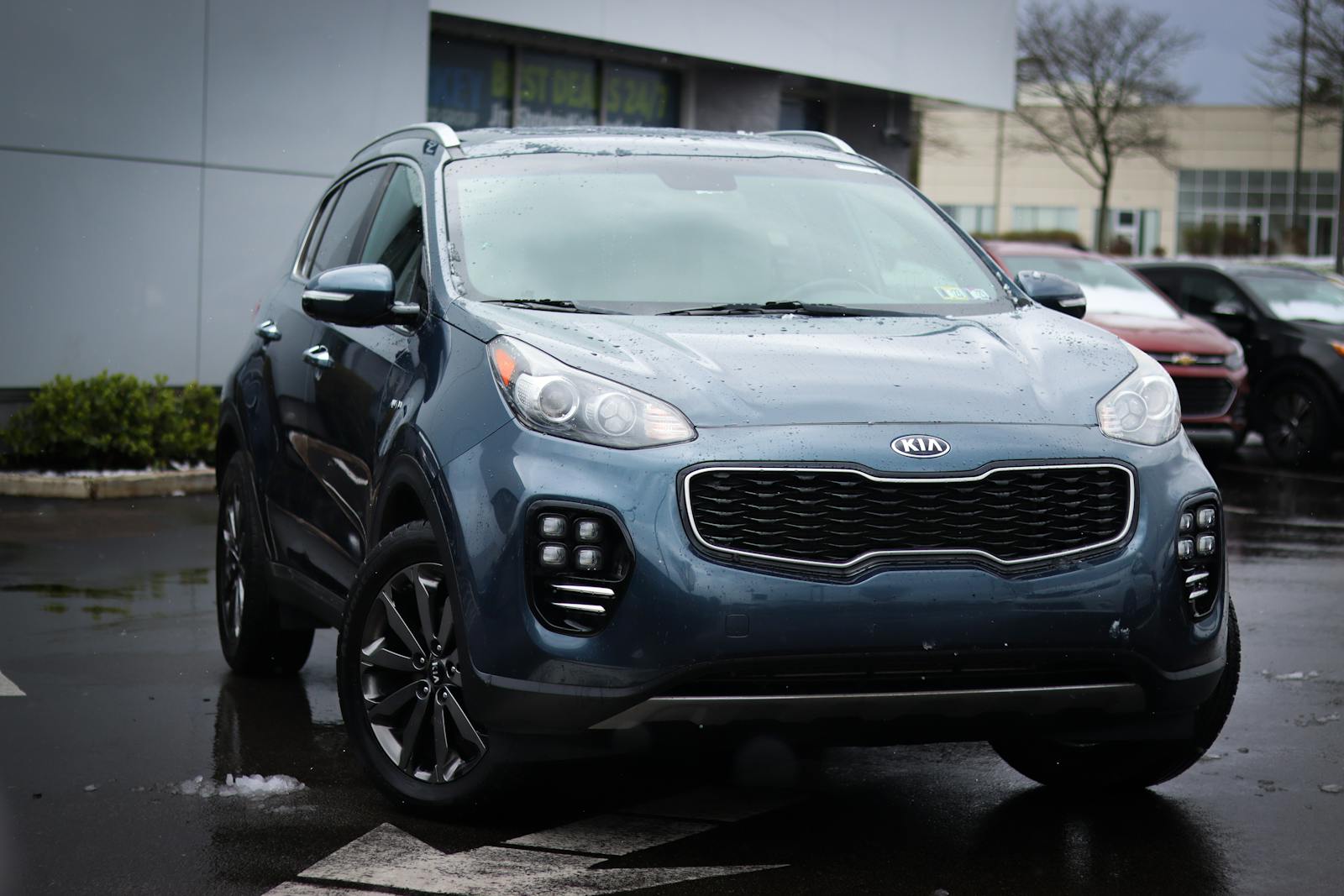

A viral video is drawing attention to a Kia dealer markup that added $5,000 to the price of a vehicle, triggering strong reactions from buyers online.
The clip, posted on TikTok by @caredge, highlights how dealership markups, often labeled as adjustments or added pricing, can significantly increase the final cost of a car. The video suggests these charges are sometimes presented in ways that are not immediately clear during the buying process. For everyday drivers, this matters because markups can push the price of a vehicle well beyond what buyers expect, changing the overall value of the deal.
What the Kia Dealer Markup Video Shows
@caredge Toyota dealers use this sneaky pricing trick Toyota dealers are legally hiding fees from you and it’s built into their system Toyota CarBuying HiddenFees DealershipScam CarBuyingTips #caredge #autoindustry #carmarket
The video focuses on a specific example where a markup of $5,000 was added to a vehicle’s price. This additional charge was not tied to upgrades, added features, or improvements to the car itself.
Instead, the markup appears to be based on dealership pricing strategy, often influenced by demand, availability, or internal policies. The issue highlighted is not just the amount, but how the charge is presented.
When markups are included within the total price or labeled with vague terms, buyers may not immediately recognize them as separate or negotiable costs. This can lead to confusion about what portion of the price reflects the vehicle’s actual value.

Why Kia Dealer Markups Are Getting Attention
Dealer markups have become a growing concern, especially as more buyers share their experiences online. Many report seeing one price advertised or listed, only to encounter a higher figure when they begin finalizing the purchase.
This gap between expectation and reality is what drives frustration. Buyers often assume the listed price reflects the true cost, but additional charges can change that quickly.
The issue has also been highlighted in Steel Horse Rides coverage on dealership pricing tactics, where similar markups and adjustments significantly increased final purchase prices. In those cases, buyers only fully understood the impact after reviewing the complete deal.
The Bigger Issue With Dealer Markup Pricing
The broader concern is how dealership pricing structures can make these markups appear standard or unavoidable. Terms like “market adjustment” or “dealer adjustment” can sound official, even when they simply represent added profit. This creates a situation where buyers may accept the charge without questioning it, assuming it is part of standard pricing. In reality, these markups are often discretionary and can vary between dealerships.
According to the Federal Trade Commission, buyers should review the full price of a vehicle, including all fees and adjustments, before agreeing to a purchase. Clear disclosure is essential for making informed decisions.
However, when pricing is not broken down clearly, it becomes easier for additional costs to blend into the deal and go unnoticed.
What Buyers Should Check Before Paying a Markup
To avoid overpaying, buyers need to take a closer look at every part of the pricing structure. Understanding exactly what each charge represents is key to making an informed decision.
Important checks include:
- The full out-the-door price, including taxes and all fees
- Identification of any added markups or adjustments
- Whether the markup is negotiable or can be removed
- Comparison of pricing across multiple dealerships
Buyers should also request a detailed breakdown of all costs in writing. This helps ensure that nothing is hidden or unclear.
Why Buyers Often Miss These Markups
One reason buyers miss markups is the way dealership conversations are structured. Discussions often focus on monthly payments rather than total cost, which can make higher prices seem manageable. When a markup is spread across financing terms, it may only slightly increase the monthly payment, making it less noticeable. However, over time, that increase adds up to a significant amount. There is also a psychological factor. Buyers who are excited about a vehicle or feel pressure to secure it may be less likely to question pricing details. Additionally, unfamiliar terminology can make charges seem legitimate even when they are optional.
These factors combine to create a situation where markups can be included without drawing immediate attention.
Why This Story Is Getting Attention
This video is gaining traction because it reflects a common experience among car buyers. Many people have encountered unexpected pricing increases but may not have fully understood what caused them. Social media has amplified these concerns, with users sharing similar stories of markups appearing during the buying process. This collective awareness is encouraging more buyers to question pricing and seek clarity before committing.
The discussion also highlights a broader demand for transparency in dealership pricing.
What This Means for Everyday Drivers
For everyday drivers, the takeaway is that pricing is not always as straightforward as it appears. A deal that seems fair at first glance may include additional costs that change its true value. Understanding how markups work—and recognizing that they are often negotiable can help buyers avoid paying more than necessary.
Taking the time to review details and compare offers can make a meaningful difference in the final price.
What Drivers Should Take From This
Kia dealer markups and similar pricing tactics can increase the cost of a vehicle without adding real value. Charges like the $5,000 markup shown in the video highlight the importance of understanding every part of a deal. Before signing any agreement, review the full pricing breakdown and question any additional charges that are not clearly explained. Do not assume that all fees are standard or required.
More from Steel Horse Rides: