
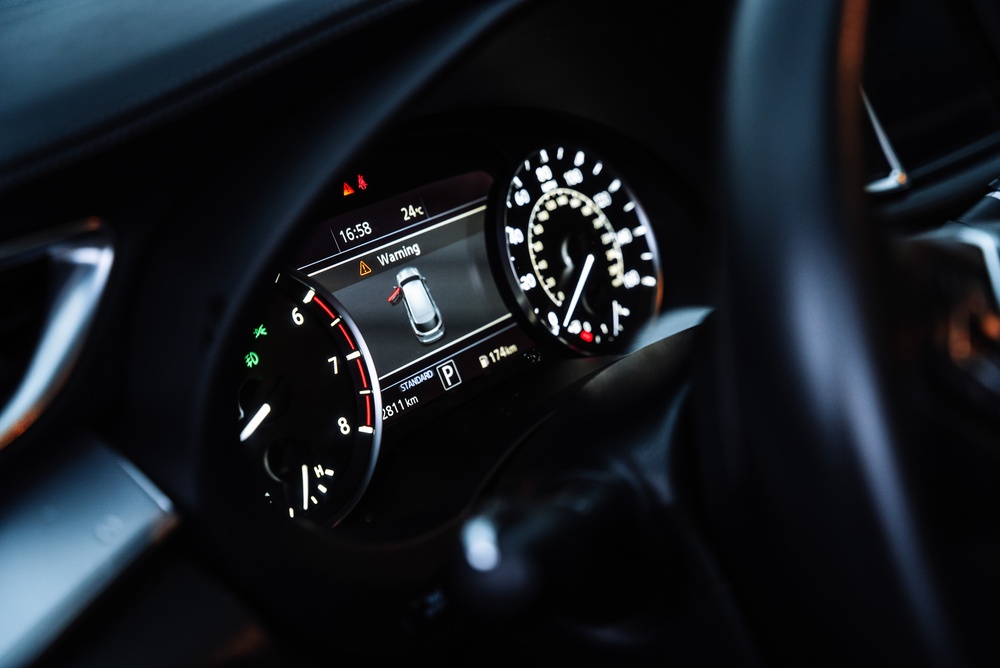

A 76-year-old woman thought she was buying a low-mileage car, but what she allegedly got instead is now sparking outrage across TikTok. According to a viral video posted by TikTok user nfg213, the woman purchased a vehicle listed at just 34,000 miles, only to later discover it actually had around 180,000 miles. The situation, which appears to involve a dealership sale, has quickly gained traction online as viewers question how such a major discrepancy could happen. For everyday drivers, this raises serious concerns about trust, transparency, and how easy it might be to fall victim to similar situations.
The Viral Video That Sparked Questions
@
The TikTok clip shared by nfg213 presents what appears to be a courtroom-style breakdown of the dispute, suggesting the buyer may have taken legal action after discovering the mileage difference. While the video doesn’t include full documentation, the claim itself, a 146,000-mile discrepancy, is enough to alarm anyone who has ever purchased a used vehicle.
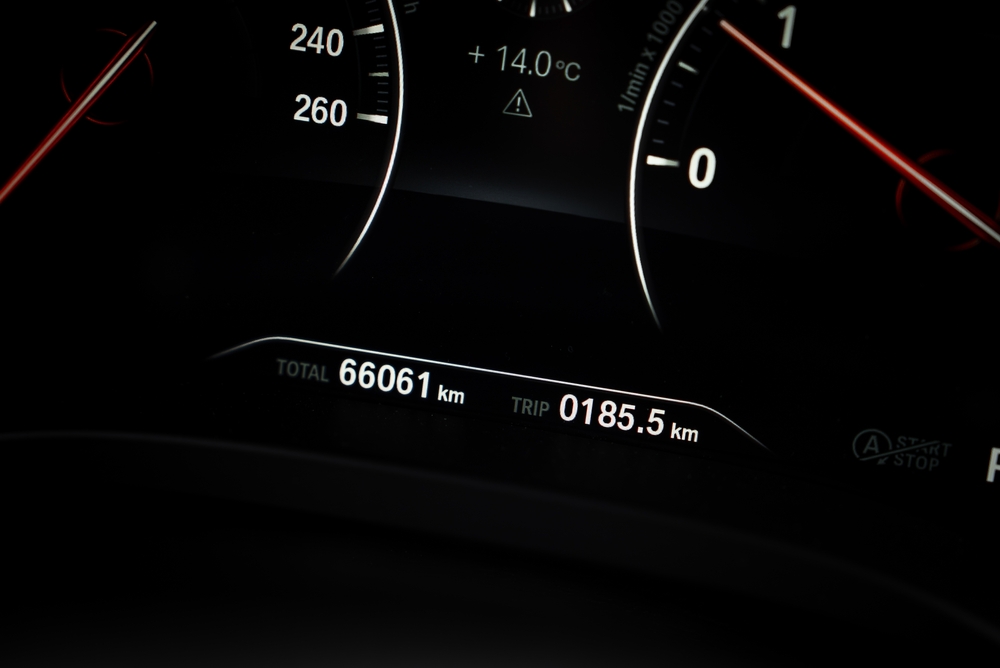
Mileage is one of the most important factors in determining a car’s value. A vehicle with 34,000 miles is typically considered lightly used, while 180,000 miles signals significant wear and tear, potential mechanical issues, and drastically lower resale value.
Why Mileage Misrepresentation Is a Big Deal
For buyers, especially older individuals or those less familiar with the car market, mileage fraud can have serious financial consequences. A difference this large could mean thousands of dollars in overpayment, not to mention increased maintenance costs.
Modern vehicles store mileage digitally, but discrepancies can still occur due to clerical errors, odometer tampering, or title history issues. That’s why experts recommend always verifying a vehicle’s history before purchase.
If you’re buying used, tools like vehicle history reports and inspections are critical. Stories like this echo concerns raised in other cases we’ve covered, including how hidden vehicle issues can cost buyers thousands
What Everyday Drivers Should Watch For
Situations like this highlight a few key red flags every buyer should keep in mind:
- Always compare odometer readings with vehicle history reports
- Be cautious of deals that seem unusually good
- Request maintenance records and ownership history
- Get a pre-purchase inspection from a trusted mechanic
Context & Why This Story Matters
Whether every detail in this viral claim is verified or not, the reaction online shows a growing distrust in used car transactions, especially when dealerships are involved. For many drivers, buying a car is one of the biggest financial decisions they’ll make, and stories like this reinforce the need for transparency and accountability.
It also highlights a broader issue: vulnerable buyers, including older adults, may be more at risk if they rely heavily on seller representations without independent verification.
If the claims in the video are accurate, this wouldn’t just be a bad deal; it could point to potential legal violations involving misrepresentation or fraud.
For official consumer protection information, drivers can visit the National Highway Traffic Safety Administration (NHTSA) website to learn more about reporting vehicle-related issues.
The Bottom Line for Buyers
If there’s one takeaway from this story, it’s simple: never rely on a listing alone. Always verify mileage, history, and condition before handing over your money.
Viral stories like this spread quickly because they tap into a real fear of getting burned on a major purchase. The best defense is doing your homework and asking the right questions before signing anything.
And if something doesn’t feel right, walk away. There will always be another car.
More from Steel Horse Rides: