
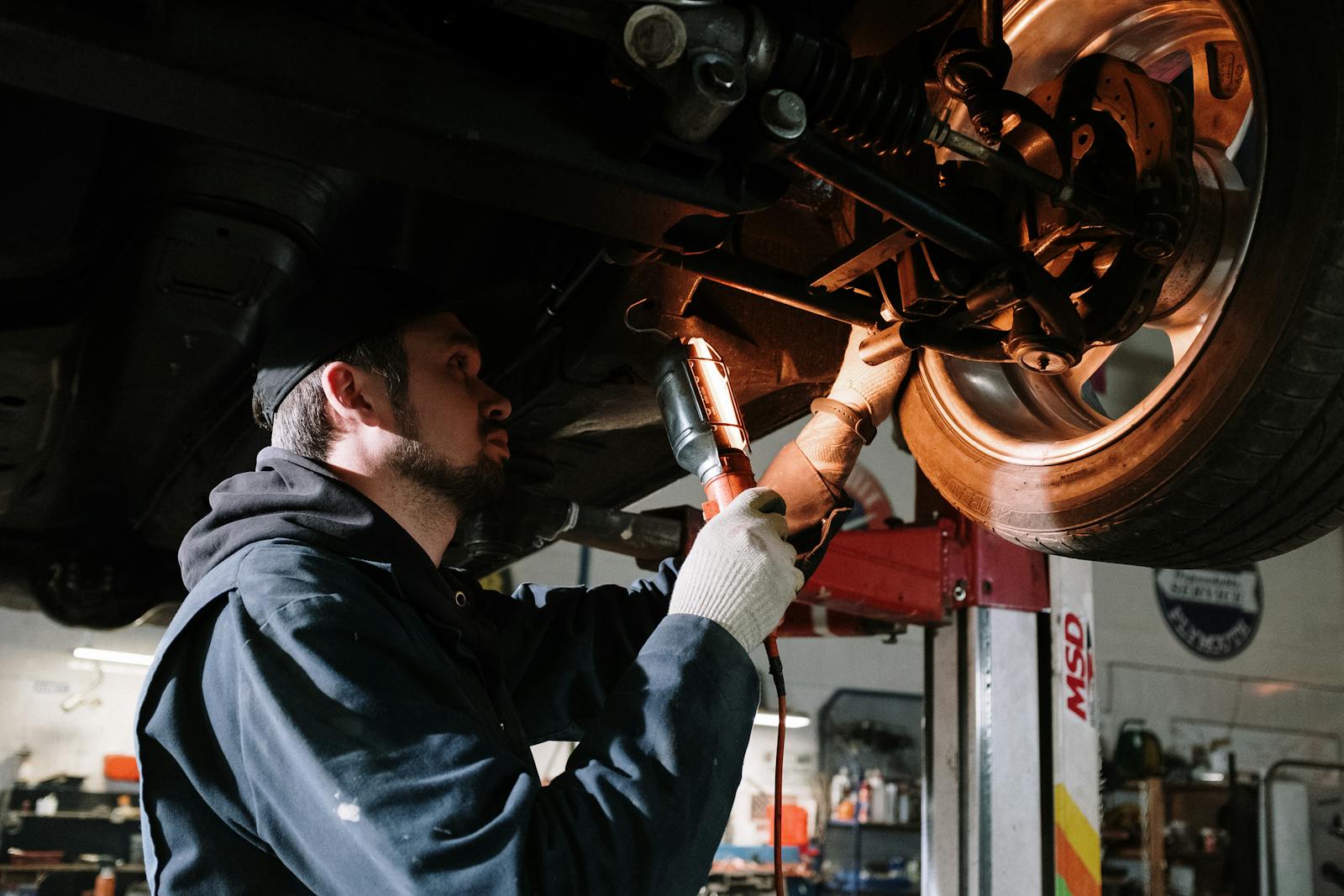

A viral video is drawing attention to a mechanic-removed engine claim, where a routine repair reportedly escalated into a much bigger problem for the vehicle owner.
The clip, posted on TikTok by @mattthemechanic43 on July 31, 2024, describes a situation where a customer alleges that a mechanic removed the entire engine during the repair process. According to the video, what began as a standard service visit turned into a complex and costly repair that did not resolve the original issue. For everyday drivers, this matters because major repairs like engine removal can significantly increase both cost and risk, especially when they are not fully explained or understood beforehand.
What the Mechanic Removed Engine Video Shows
@redacted_horrors Mechanic risked it all to expose fraud targeting seniors #mechanic #justice #scam
The video outlines the customer’s account of how the repair unfolded. Initially, the vehicle was brought in for a problem that did not appear to require extensive work. However, as the process continued, the situation escalated to the point where the engine was removed.
This step is significant because engine removal is typically associated with serious mechanical failures. It is not a routine procedure and usually involves considerable labor, time, and cost.
The key detail in the video is not just that the engine was removed, but that the outcome did not meet expectations. The issue reportedly remained unresolved, leaving the customer with a more complicated situation than before.
That gap between expectation and result is what has drawn attention and sparked discussion, especially among drivers who rely on repair shops for accurate diagnosis and fair service.

How a Mechanic Removed an Engine Situation Escalates
Engine removal is one of the most involved repairs a vehicle can undergo. It requires careful diagnosis, clear communication, and explicit approval before proceeding.
When that process is not clearly explained, the situation can escalate quickly. A customer who expects a routine fix may suddenly face a major repair bill and a longer timeline.
This escalation often happens when the initial diagnosis evolves. What starts as a smaller issue may lead to deeper inspection, which then results in more extensive work being recommended.
However, without clear communication at each step, the customer may feel that the repair expanded beyond what was originally agreed upon. That disconnect between expectation and execution is where most disputes begin.
This pattern has been noted in Steel Horse Rides coverage on major repair disputes, where large repairs led to disagreements over necessity, cost, and results.
Why These Situations Are Difficult for Drivers to Evaluate
One of the biggest challenges for drivers is the technical complexity of major repairs. Most vehicle owners do not have the knowledge needed to assess whether something as significant as engine removal is necessary.
This creates a reliance on the mechanic’s expertise. While that expertise is essential, it also means that the customer must trust the explanation being provided.
If the reasoning behind the repair is not fully understood, it becomes difficult to evaluate whether the work is justified. Drivers may feel uncertain about questioning the recommendation, especially when it involves complex mechanical systems.
This uncertainty can lead to decisions being made without full confidence in the outcome, which increases the risk of dissatisfaction if the repair does not solve the problem.
The Bigger Issue With Major Repair Transparency
The broader concern highlighted by the video is transparency. Major repairs require clear and consistent communication to ensure that customers understand what is being done and why.
Without that transparency, misunderstandings can occur about both the scope of the work and the expected results. This can lead to frustration if the repair does not resolve the issue as anticipated. According to the American Automobile Association, drivers should receive detailed explanations, written estimates, and approval steps before any major repair is performed. This includes understanding the risks, costs, and potential outcomes. Clear documentation helps ensure that both the customer and the repair shop are aligned before any major step is taken.
What Drivers Should Do Before Approving Major Repairs
To avoid situations like the one shown in the video, drivers should take a more cautious approach when dealing with major repairs. These situations require more attention than routine maintenance.
Important steps include:
- Requesting a full written breakdown of the proposed repair
- Asking for a clear explanation of why the repair is necessary
- Understanding the expected outcome and potential risks
- Getting a second opinion from another qualified mechanic
- Confirming approval before any major work begins
These actions help ensure that the decision is based on accurate information and that the customer is fully aware of what is involved.
As explained in Steel Horse Rides coverage on avoiding major repair mistakes, taking time to verify large repairs can significantly reduce the risk of costly outcomes.
Why This Story Is Getting Attention
This video is gaining traction because it highlights how quickly a repair situation can escalate when expectations are not aligned. The idea that a routine visit could lead to engine removal is striking for many viewers. Social media users are sharing similar concerns about unexpected repairs or unclear explanations, which adds to the discussion. These shared experiences reflect a broader concern about how major repairs are handled.
The video resonates because it shows how important communication is in situations where the stakes are high, particularly when costs and timelines increase unexpectedly.
What This Means for Everyday Drivers
For everyday drivers, the key takeaway is that major repairs require a different level of attention and involvement. Assumptions about what will be done can lead to problems if they are not clearly confirmed. Understanding the repair process, asking questions, and verifying details can help reduce the risk of unexpected outcomes. Taking the time to review information before approving work is especially important when repairs are complex.
Being proactive allows drivers to stay informed and make decisions with greater confidence, even in situations that involve high cost.
What Drivers Should Take From This
A mechanic-removed engine situation can quickly become expensive and difficult to resolve if it is not clearly understood from the start. Before approving any major repair, confirm all details, ask questions, and consider getting a second opinion. Do not rely solely on initial explanations when the repair involves high cost or complexity.
For more practical insights and guidance, explore Steel Horse Rides coverage on major repair disputes and Steel Horse Rides coverage on avoiding major repair mistakes to stay informed and avoid costly errors.
More from Steel Horse Rides: