
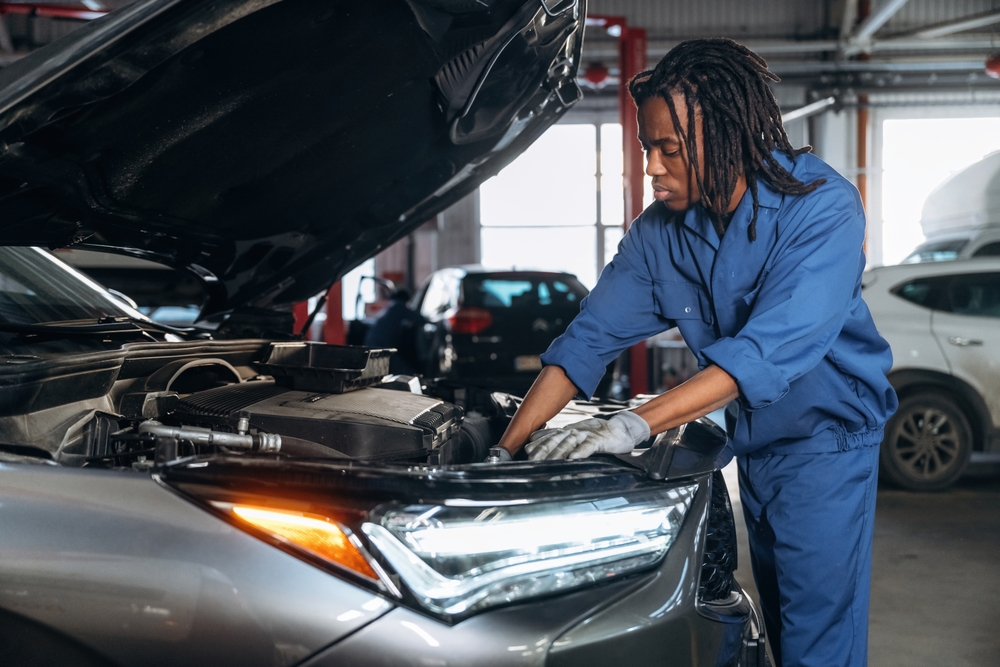

Every car has its quirks. A squeaky belt, a finicky window switch, that one cupholder that’s basically decorative — fine. But there’s a difference between “annoying” and “financially dangerous,” and mechanics see the dangerous stuff all the time.
If your car is showing any of the problems below, it might be telling you (politely, at first) that a major bill is on the way. And if you’ve been thinking about trading in anyway, these are the kinds of issues that can turn “I’ll deal with it later” into “why is my savings account on fire?”
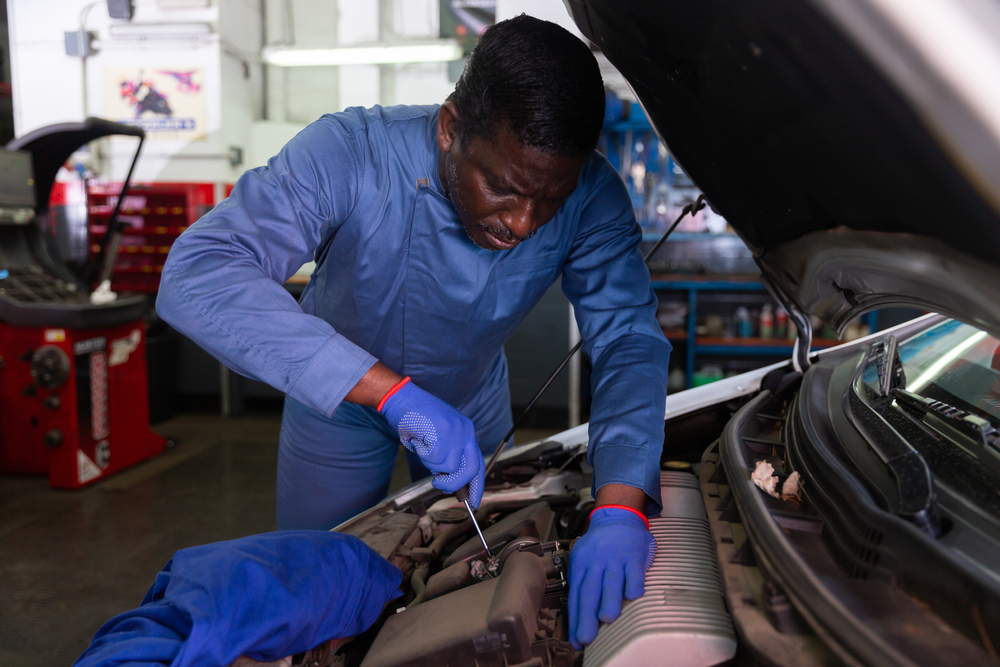
1) Transmission slipping, hard shifting, or delayed engagement
If your car hesitates before moving into Drive, slams into gear, or feels like it’s “searching” while you’re accelerating, pay attention. Mechanics often say these symptoms are the early warning signs of a transmission that’s wearing out — and transmissions are famous for being expensive drama queens.
Even if a fluid change helps temporarily, that doesn’t always mean the problem is solved. A rebuild or replacement can easily run several thousand dollars, and on an older car, that math gets ugly fast. If you’re getting these signs and the car’s not worth much more than the repair, selling sooner can be the smartest move.
2) Engine overheating (especially more than once)
An overheating engine isn’t just a “pull over and cool off” situation. If the temperature gauge climbs, you smell coolant, or you’ve had to top off fluids more than you’d like to admit, you could be looking at a bigger issue than a simple leak.
Repeated overheating can warp the cylinder head or damage the head gasket — which is where the real costs start piling up. You might fix a radiator or water pump and still end up with internal engine damage that shows up later. If your car has a history of overheating, a mechanic will often tell you not to get emotionally attached.
3) Head gasket failure (the classic “milkshake” problem)
Head gasket issues are one of those repairs that can turn a “reliable car” into a “project car” overnight. Common signs include white smoke from the exhaust, unexplained coolant loss, bubbling in the coolant reservoir, or that infamous milky sludge under the oil cap.
Sure, some cars can be repaired and keep going. But the repair is labor-heavy, and if the engine’s been driven while overheated, it can snowball into warped components or bearing damage. If your mechanic even casually mentions “head gasket,” it’s worth doing the cold, practical math on selling before the next problem joins the party.
4) Persistent misfires, rough running, or low compression
A little stumble at idle can be something simple — spark plugs, ignition coils, or a clogged injector. But when misfires keep coming back, the check engine light becomes a roommate, or the car runs rough no matter what you replace, mechanics start thinking deeper.
Low compression, valve issues, worn piston rings, or timing problems can make a car run badly and drain your wallet in diagnostic time alone. You can spend hundreds just chasing the cause, then land on a repair that costs more than the car’s value. If the engine isn’t running smoothly and “basic fixes” didn’t fix it, that’s often a sign to sell while it still moves under its own power.
5) Timing chain/belt trouble (rattling, skipped timing, or overdue service)
This one’s sneaky because it’s not always dramatic — until it is. If your timing chain is rattling on startup, you’re hearing strange ticking, or you’ve got a timing-related engine code, don’t ignore it. And if your car uses a timing belt and you’re way past the service interval, you’re basically playing mechanical roulette.
On many engines, a belt that breaks can cause valves to hit pistons, which is a fancy way of saying “your engine just ate itself.” Even timing chain jobs can be pricey because they’re labor-intensive. If you’re overdue and the car’s value doesn’t justify the risk, selling before failure can save you from a truly brutal bill.
6) Severe rust on the frame, subframe, or structural points
Rust on a wheel arch? Annoying. Rust on the frame, suspension mounting points, or subframe? That’s a whole different situation. Mechanics get very serious when they see structural rust, because it affects safety and can make future repairs impossible or not worth doing.
Once corrosion gets to critical areas, you can run into failed inspections (depending on your state), alignment issues, broken bolts that turn small repairs into nightmares, and unsafe handling in a crash. Welding and structural repairs aren’t cheap, and sometimes they’re not even a good idea. If the underside looks like it’s returning to the earth, it might be time to move on.
7) Electrical gremlins that won’t stay fixed
Modern cars are basically computers on wheels, and when electrical problems start multiplying, it can feel like your car is haunted. Random warning lights, intermittent no-starts, modules failing, windows or locks acting possessed, draining batteries — these issues are frustrating because they’re unpredictable and time-consuming to diagnose.
A single sensor or battery is no big deal. But when you’re chasing wiring issues, corroded grounds, failing control modules, or a bad CAN bus connection, repair costs can climb fast with no guarantee the first fix is the last fix. If your mechanic starts using words like “intermittent” and sighs a lot, consider taking the hint.
A quick reality check before you sell
Not every scary-sounding problem means you must dump the car tomorrow. If the vehicle is newer, worth a lot, or the issue is clearly diagnosed with a straightforward repair, fixing it can make sense. The key is whether you’re looking at a one-time repair or the beginning of an expensive era.
If you’re unsure, pay for a pre-sale inspection or diagnostic and ask a blunt question: “If this were your car, would you fix it or sell it?” Mechanics answer that one honestly because they’ve seen how these stories end. And if the answer is “sell,” you’ll be glad you asked before the next tow truck shows up.
More from Steel Horse Rides: