


Your car talks to you. Not in the “please take me to the beach” way, sadly, but in the much more important “something’s about to get expensive” way. Most of the time, it starts with a sound—small, strange, easy to ignore if you’ve got music on and a busy day ahead.
Mechanics see this all the time: a noise shows up, gets brushed off for weeks, and then one morning the engine decides it’s done participating. If you catch the right sound early, you might be looking at a modest repair. If you don’t, you could be pricing out a replacement engine and questioning every life choice that led to that moment.
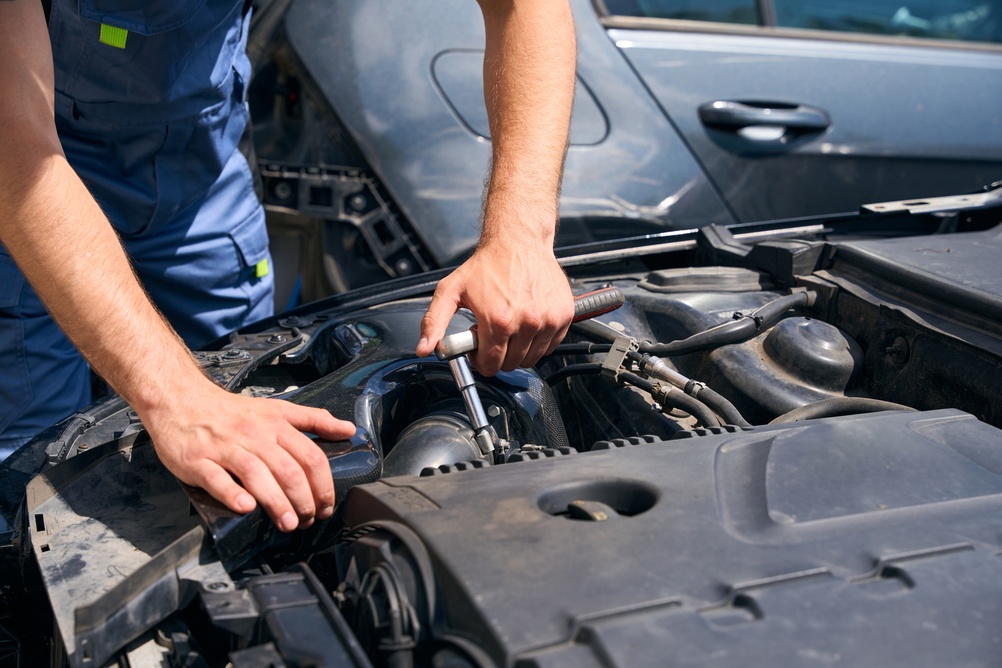
1) A sharp ticking from the top of the engine
If you hear a fast tick-tick-tick that rises and falls with RPMs, especially when the engine’s cold, pay attention. This often points to valvetrain issues—think lifters, rocker arms, or low oil pressure not keeping things properly lubricated.
Sometimes it’s “just” low oil or oil that’s overdue for a change, and topping up fixes it. Other times, it’s worn components that can chew themselves up if you keep driving. Ignore it long enough and you can end up with valve damage, metal shavings in the oil, and a chain reaction of bad news.
2) Deep knocking that sounds like a hammer in the engine
This is the one mechanics describe with a little sadness in their voice: a deep, rhythmic knock that gets louder under load. It can mean rod knock—excessive clearance in the connecting rod bearings—often due to poor lubrication or long-term wear.
When those bearings go, they don’t politely retire. They can seize, spin, or break apart, and that can lead to catastrophic internal damage in a hurry. If you hear a low knock, don’t “see if it goes away.” It usually goes away right around the time the engine stops turning.
3) A high-pitched squeal when starting or accelerating
A quick squeal at startup can be a slipping belt, and that might sound minor—until you remember what belts run. Depending on your vehicle, a belt may drive the alternator, power steering, water pump, or A/C compressor, and when it slips or fails, those systems can stop doing their jobs.
The big risk is overheating. If the belt drives the water pump and it’s not spinning correctly, coolant won’t circulate like it should, and engines really don’t forgive overheating. A squeal that sticks around, comes back often, or gets worse deserves a look before it turns into a breakdown (or a warped cylinder head).
4) A rattling sound at startup or a “marbles in a can” rattle while driving
Rattles can come from a lot of places, but two engine-related culprits show up often: timing chain issues and detonation (also called spark knock). A timing chain rattle—especially at cold start—can point to a worn chain, guides, or tensioner, and if the chain jumps timing, the engine may run terribly or not at all.
Detonation is a different kind of rattle, usually under acceleration, and it can happen from low-quality fuel, carbon buildup, incorrect ignition timing, or running too lean. That “pinging” isn’t just annoying—it’s uncontrolled combustion that can damage pistons over time. Either way, a persistent rattle isn’t a personality trait; it’s a symptom.
5) Loud hissing or whistling, especially with loss of power
A hiss or whistle might be “just” air escaping, but where it’s escaping matters. It can point to a vacuum leak, an exhaust leak, or on turbocharged engines, a boost leak—often paired with sluggish acceleration and worse fuel economy.
Vacuum leaks can make the engine run lean, which raises combustion temperatures and can damage valves or pistons if severe enough. Exhaust leaks near the engine can also confuse oxygen sensor readings, causing the computer to make bad fueling decisions. And if you’ve got a turbo, a boost leak can push the system to work harder than it should—never great for longevity.
6) A grinding noise when you start the car—or any grinding that follows RPMs
Grinding is your car’s way of saying, “Metal is touching metal, and neither side is happy about it.” A grinding sound right at startup can be the starter gear not engaging properly with the flywheel, and if it’s happening often, it can chew up expensive parts fast.
If the grinding tracks with RPMs after the car is running, it could be an accessory bearing failing (like the alternator or idler pulley) or, in worse cases, internal engine damage. A failing bearing can seize, throw a belt, and trigger overheating or electrical issues that leave you stranded. And if it’s internal, you’re back in the danger zone where continued driving can turn a repairable issue into “new engine” territory.
So what should you do if you hear one of these?
First: don’t panic, but don’t ignore it either. Make a quick note of when it happens—cold start, warm engine, accelerating, idling, turning the A/C on—and whether it’s getting worse. That little bit of detail helps a mechanic diagnose the problem faster (and usually cheaper).
Second: check the basics if it’s safe—oil level, coolant level, and whether any warning lights are on. If you’ve got a low oil light, an overheating warning, or the temperature gauge is climbing, stop driving. Saving 15 minutes now can save you a whole engine later.
And finally, trust your instincts. You know what your car normally sounds like, and if it suddenly starts auditioning for a percussion section, that’s not “just age.” Engines rarely fail without giving a few noisy hints first—you just have to listen before they stop talking altogether.
More from Steel Horse Rides: