
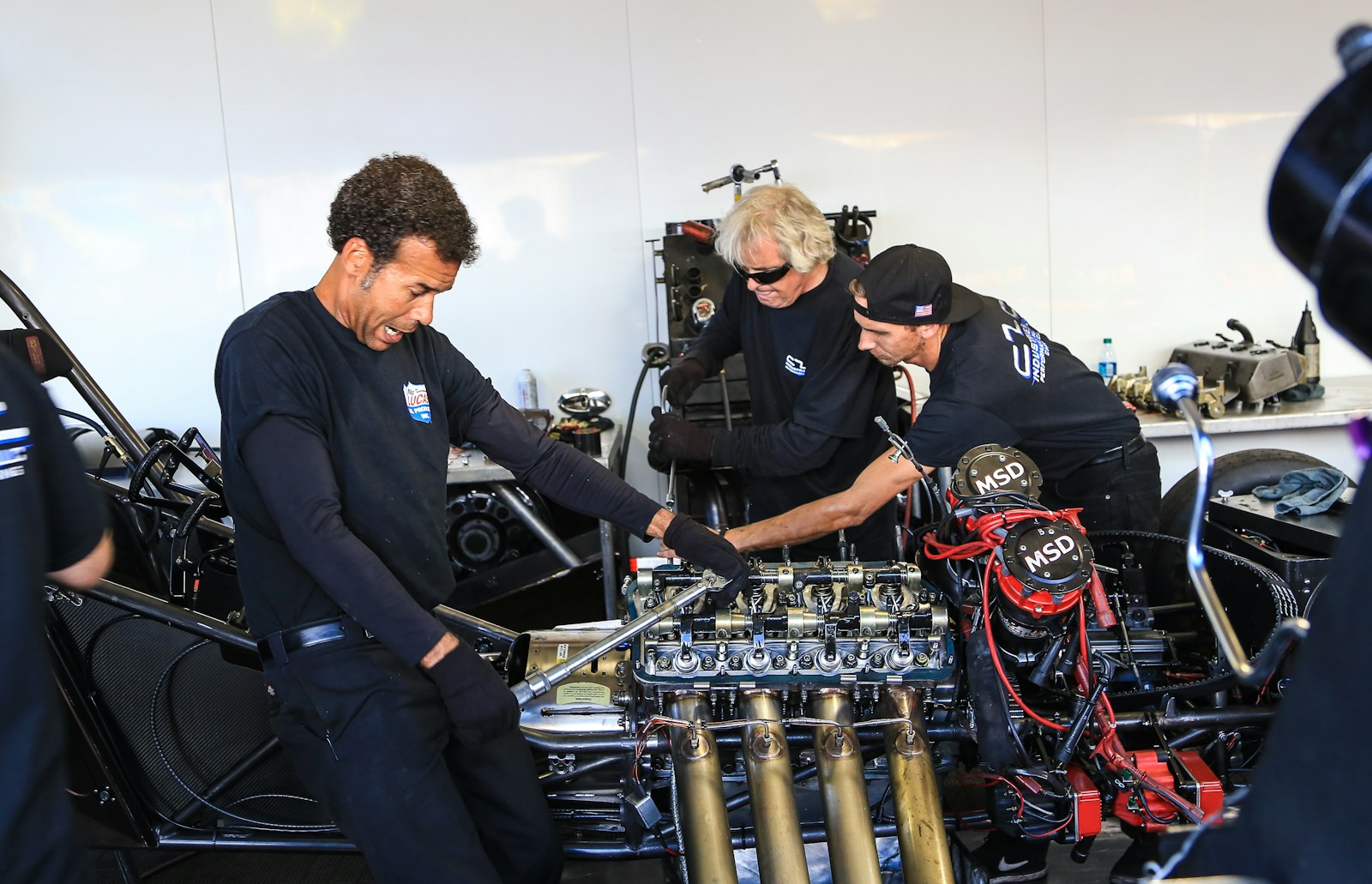

If you’ve ever had that tiny, annoying feeling that your car is “just a little off,” you’re not imagining things. Most big engine failures don’t show up out of nowhere — they send little warning postcards first. The problem is, a lot of those postcards look like everyday quirks until they suddenly become expensive emergencies.
I asked a few long-time mechanics what makes them sit up straight the moment a car rolls in. The answers were surprisingly consistent: a handful of symptoms that, nine times out of ten, mean you shouldn’t “wait until next month.” Here are seven engine issues that almost always signal trouble is coming fast — and what you can do before your wallet gets involved.
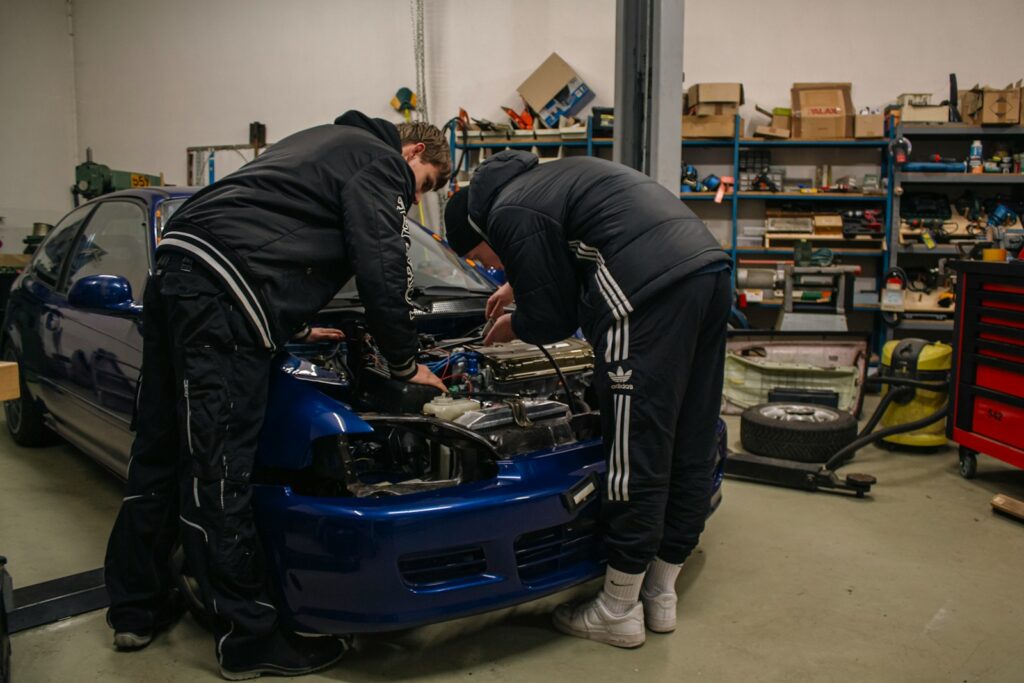
1) The oil pressure light flickers (even if it goes away)
A flickering oil pressure light is one of those “stop pretending” moments. Mechanics hate it because it can mean your engine isn’t getting enough oil flow — and without oil, engine parts don’t just wear, they grind. That’s a quick path to catastrophic damage.
Sometimes it’s “just” a failing sensor, but you don’t get to assume that from the driver’s seat. Check your oil level immediately, and if it’s low, top it up and look for leaks. If the light comes on again, don’t keep driving like it’s a suggestion; have oil pressure tested properly.
2) Coolant keeps disappearing (or the temp needle creeps higher than normal)
Engines are basically controlled explosions, and coolant is what keeps those explosions from turning into a meltdown. If you’re topping off coolant more than once, something’s wrong — leaks, a bad radiator cap, a failing water pump, or, worst-case, a head gasket problem. Any of those can go from annoying to “tow truck” surprisingly quickly.
Watch for a sweet smell, wet spots under the car, or crusty residue around hoses and the radiator. And if the temperature gauge climbs higher than it used to, treat that as a real warning, not a vibe. Overheating even once can warp components and turn a small repair into a big one.
3) Misfires under load (shaking on acceleration or uphill)
If your car shakes when you accelerate, climbs hills like it’s suddenly pulling a boat, or feels like it’s stumbling, that’s often a misfire. It could be spark plugs, ignition coils, fuel delivery issues, or a vacuum leak — and while some of those are straightforward fixes, the consequences of ignoring them aren’t. Unburned fuel can overheat and damage your catalytic converter, which is a famously pricey part.
A check engine light that flashes (not just glows) is especially urgent. Flashing usually indicates active misfires that can cause damage quickly. If it’s doing that, the “I’ll deal with it later” plan tends to end in regret.
4) A rough idle that’s new (and getting worse)
Lots of cars have a little personality at idle, especially older ones. But if the idle suddenly turns lumpy — like the engine can’t settle down — mechanics take note. It may point to air/fuel imbalance, a dirty throttle body, failing sensors, vacuum leaks, or early signs of internal engine problems.
Pay attention to patterns. Does it idle rough only when cold, only when the A/C is on, or all the time? Those details help pinpoint the cause and can save diagnostic time (and money) when you bring it in.
5) Knock, ping, or deep ticking noises that weren’t there before
Engines make normal sounds, but “new and rhythmic” isn’t a category you want to ignore. A light pinging under acceleration can be related to fuel quality or timing issues, while a deeper knock can signal bearing wear — which is one of those problems that rarely gets better on its own. A ticking noise could be something as simple as low oil or as serious as valvetrain wear.
The tricky part is that people get used to noises fast. If you can hear it with the windows up and the radio off, it’s worth checking immediately. Mechanics will often say: if it suddenly starts sounding like a sewing machine or a drumline, don’t wait for the encore.
6) White smoke, blue smoke, or a “steam cloud” from the exhaust
A little condensation on a cold morning is normal. But steady white smoke (especially with a sweet smell) can mean coolant is getting into the combustion chamber — a possible head gasket, intake gasket, or cracked component issue. Blue smoke usually points to oil burning, which can come from worn seals, piston rings, or turbo problems (if you’ve got one).
Either way, smoke is your engine telling you it’s burning something it shouldn’t. And yes, it might still drive for a while — that’s the dangerous part. Driving an engine that’s consuming coolant or oil is like continuing a road trip with a leaky water bottle and no replacement: you’re fine until you’re suddenly not.
7) Oil that looks “wrong” (milky, glittery, or dropping fast)
Mechanics love a good oil check because it’s basically an engine health report in a dipstick-sized package. If your oil looks milky or like a latte, that can mean coolant contamination — again raising the head gasket alarm. If it looks metallic or “glittery,” that can be internal wear, which is never a fun surprise.
Also pay attention to oil that drops noticeably between changes. Burning oil or leaking oil can start as a minor annoyance and turn into low oil pressure, misfires, or overheating if it gets bad enough. If you’re adding a quart here and there like it’s part of the routine, it’s time to find out why.
What mechanics wish more drivers would do
The best advice I heard was refreshingly simple: don’t ignore a new symptom just because the car still moves. Modern engines can mask problems until the moment they can’t, and that’s when the repair estimates start sounding like down payments. A quick inspection today often prevents a big repair next month.
If you notice any of these seven issues, the smartest move is to document what’s happening (when, how often, and under what conditions) and schedule a diagnosis. And if the oil pressure light comes on, the temperature spikes, or the check engine light starts flashing — that’s not “run errands and see what happens” territory. That’s “pull over and protect your engine” territory.
More from Steel Horse Rides: