
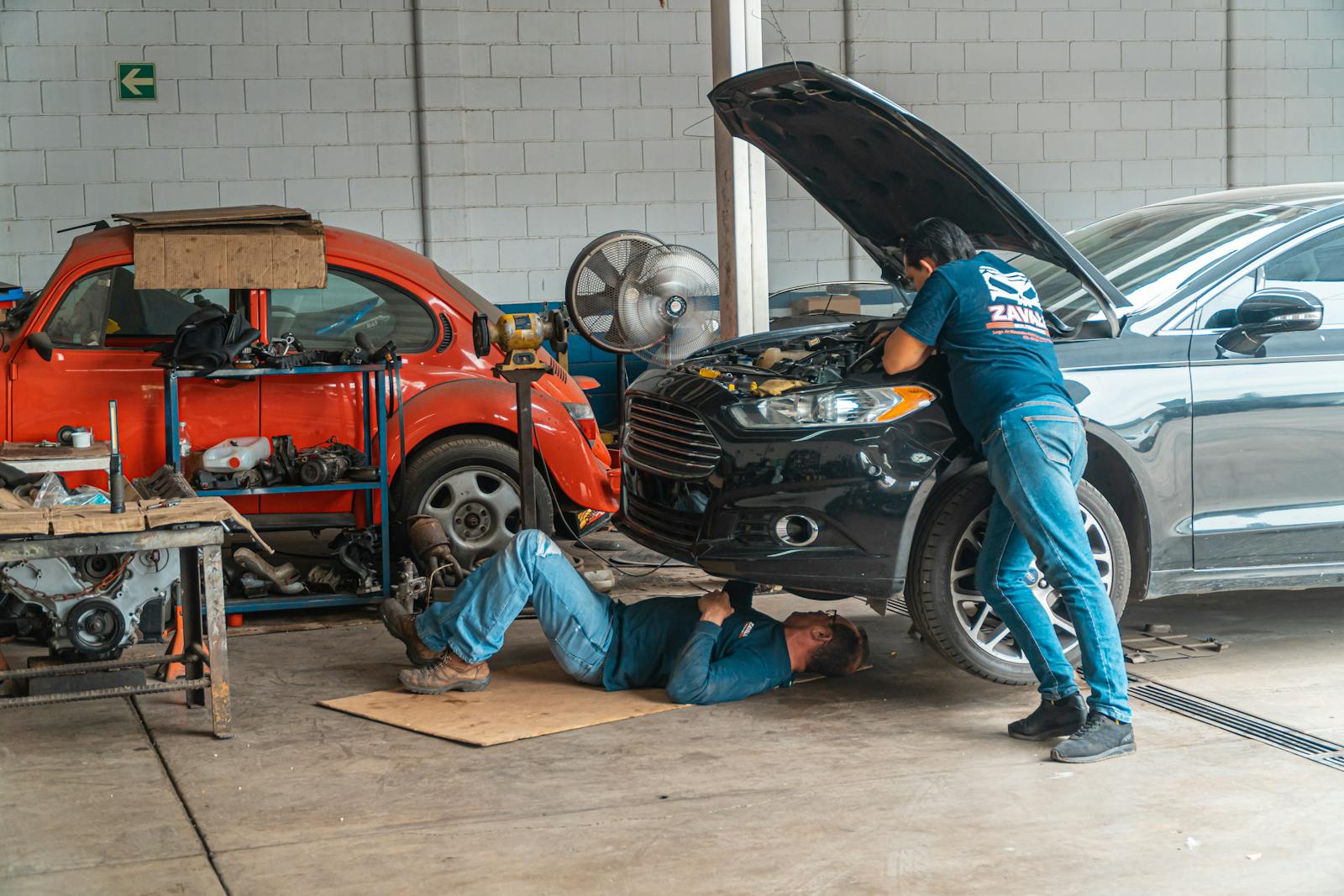

If you’ve ever rolled into a shop and said, “Can you just…,” you’re not alone. Everyone wants the fast, cheap fix—especially when your car is making a noise that feels more annoying than dangerous. The problem is that some “quick fix” requests are basically invitations for the issue to come back louder, pricier, and usually at the worst possible time.
Talk to enough mechanics and you’ll hear the same theme: it’s not that they don’t want to help. It’s that certain shortcuts don’t actually solve the problem—they just hide it long enough for it to snowball. Here are five of the most common requests that tend to end in bigger headaches.
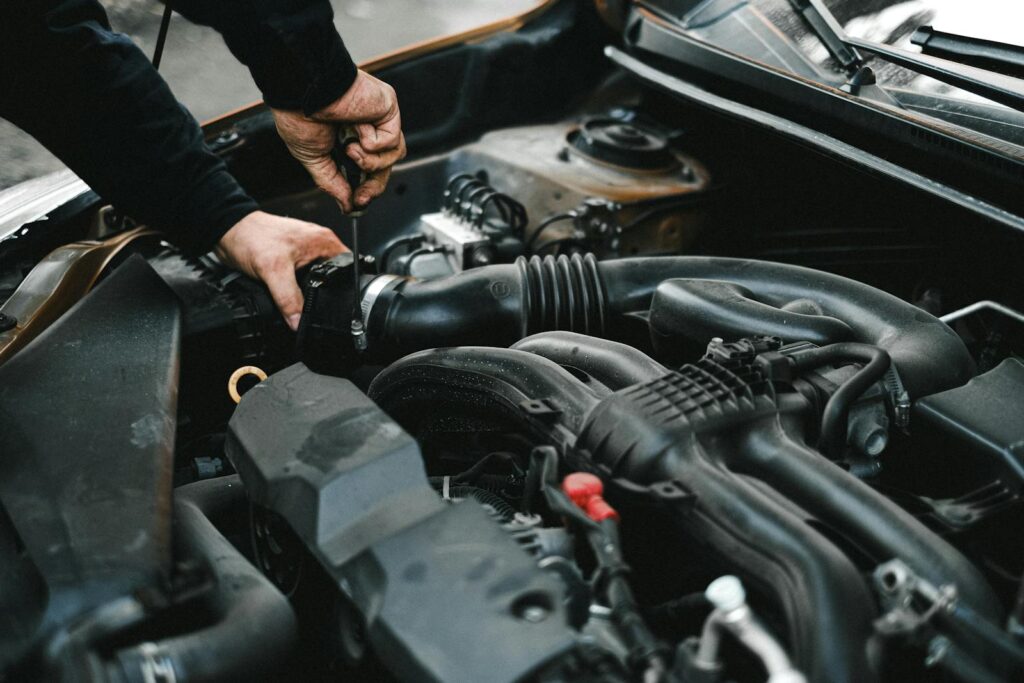
1) “Can you just clear the check-engine light?”
This one’s the classic. The check-engine light comes on, the car still drives, and you just want the dashboard to stop yelling at you—especially if emissions testing is coming up. But clearing the light without diagnosing the cause is like taking the batteries out of a smoke detector because it’s loud.
Mechanics say the risky part isn’t the light itself—it’s what it’s trying to tell you. A small issue like a loose gas cap can happen, sure, but so can a misfire, a failing oxygen sensor, or a problem that slowly cooks your catalytic converter (a part that’s famously not cheap). Clearing the code can also erase helpful “freeze frame” data that shows what was happening when the fault occurred, making the real repair harder later.
2) “Just patch the tire—don’t bother checking anything else.”
Most shops are happy to patch a tire when it’s safe to do so. The trouble starts when someone insists on a quick patch without letting the tech confirm where the leak is, how big it is, and whether the tire’s still structurally sound. A nail in the tread is one thing; damage near the sidewall is another story entirely.
Another common “quick fix” request is skipping the inspection of the tire’s interior. If you’ve driven on it while low, the sidewalls can be compromised even if the puncture looks minor. Mechanics also point out that a leak might be caused by a cracked wheel, a bad valve stem, or corrosion on the bead—so patching the tire may not even fix the problem.
3) “Can you just top off the coolant? It’s fine otherwise.”
Low coolant is rarely a “just add more and forget it” situation. Coolant doesn’t get used up like gasoline; if it’s low, it usually means there’s a leak or the engine is overheating and pushing it out. Adding more can buy time, but it can also give you a false sense of security.
Mechanics see this go sideways when the real issue is a failing water pump, a cracked hose, a radiator leak, or—worst case—a head gasket problem. If you keep topping it off without fixing the cause, you can end up overheated on the highway, warped engine parts, and a repair bill that makes you consider taking up biking. A proper pressure test and inspection are faster than most people think, and they can prevent a very long tow-truck conversation later.
4) “Just replace the brake pads—no need to look at the rotors.”
Brake jobs are where “quick fix” thinking can get expensive fast. Pads wear out, yes, but rotors wear too, and sometimes they wear in ways you can’t see without measuring. If rotors are too thin, heat-spotted, warped, or deeply grooved, new pads won’t seat correctly and your braking performance can suffer.
Even when the car stops fine today, mismatched or neglected components can cause noise, vibration, longer stopping distances, or uneven wear that chews through your brand-new pads. Mechanics also like to check calipers, slide pins, and brake fluid condition—because sticking calipers and old fluid can mimic “bad pads” and lead to repeat visits. In other words: paying once for a complete brake inspection is usually cheaper than paying twice for partial fixes.
5) “Can you just install this cheap part I bought online?”
Mechanics hear this constantly, and it’s understandable. You find a part online for half the price, and it looks identical in the photo, so why not? The catch is that “identical” and “actually correct for your vehicle” are not the same thing, and quality varies wildly depending on the brand and supplier.
Shops warn that customer-supplied parts are one of the biggest sources of repeat repairs: wrong fitment, missing hardware, poor manufacturing, or parts that fail early. There’s also the awkward warranty gap—many shops can’t warranty labor if the part fails, because they didn’t source it and can’t vouch for it. If you’re trying to save money, ask the shop if they can offer a value-tier option they trust; you’ll usually get better odds than rolling the dice on a mystery listing with five-star reviews from people who installed it “yesterday.”
Why mechanics push back (and what to say instead)
When a mechanic hesitates on a “quick fix,” it’s not automatically a money grab. Often, it’s because they’ve seen the sequel: the same car back in two weeks, or a small problem that turned into a breakdown. They’re trying to avoid the kind of repair that starts with “It was fine until…” and ends with “How soon can you get us in?”
If you’re on a budget (who isn’t?), the best move is to be upfront. Try: “I’m trying to keep this under $X—what’s the safest plan?” or “What’s urgent vs. what can wait a month?” A good shop will tell you what’s critical, what’s preventative, and what can reasonably be postponed without playing roulette with your engine or brakes.
Quick fixes aren’t always wrong—sometimes you do just need a gas cap, a plug patch, or fresh pads. But when a request is designed to skip diagnosis or ignore wear-related parts, that’s when small issues love to grow up into big ones. And unfortunately, cars are very good at choosing the most inconvenient day possible to prove your mechanic was right.
More from Steel Horse Rides: