
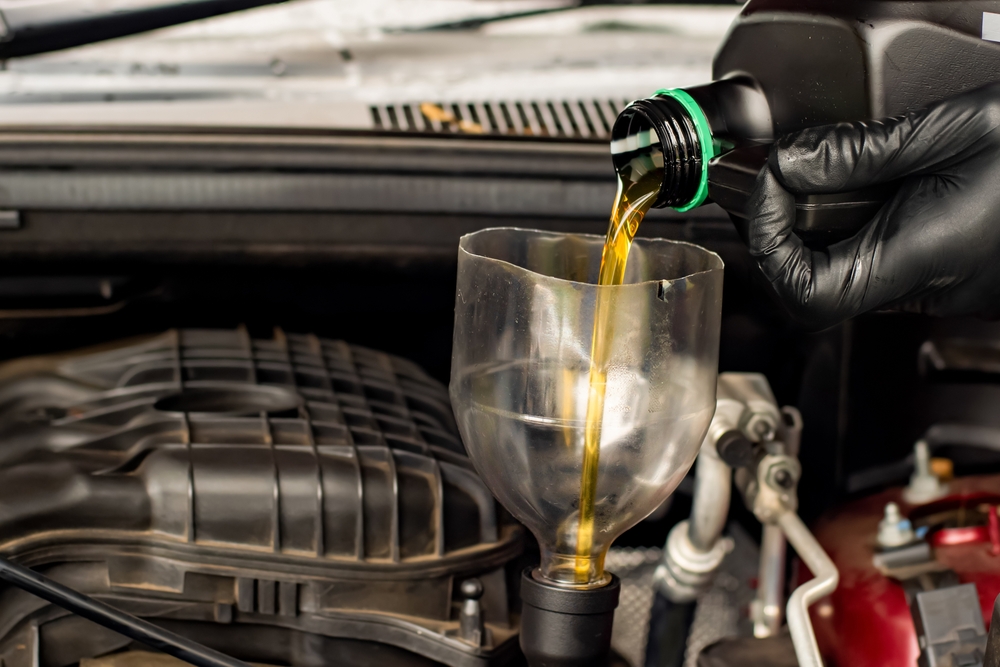

Most mechanics are hardworking pros who’d rather fix your car than pitch you something you don’t need. But the auto repair world has a few “greatest hits” upsells that show up on invoices way more often than they should. The trick isn’t assuming anyone’s trying to scam you—it’s knowing which recommendations deserve a calm, curious follow-up question.
Think of it like ordering at a restaurant: if the server suggests adding truffle foam to your pancakes, you’re allowed to pause. Same with your car. Here are six common services that can be legit sometimes… but should come with a clear explanation before you say yes.
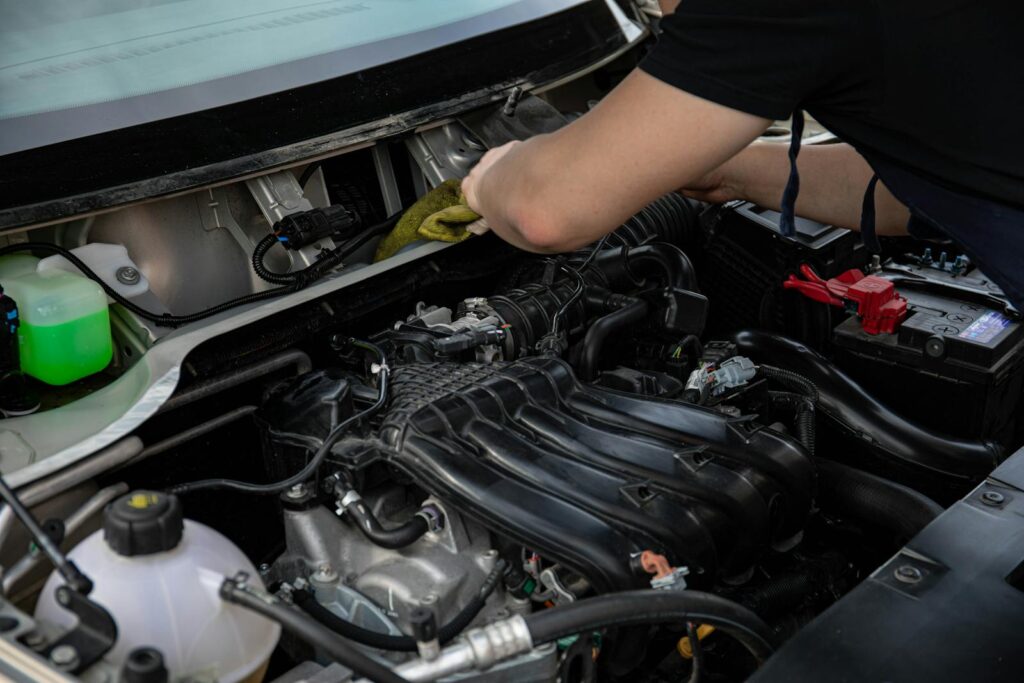
1) “Engine flush” (or “power flush”) as a routine add-on
An engine oil flush sounds responsible—who doesn’t want a cleaner engine? The problem is that aggressive flush chemicals can loosen old sludge in a high-mileage engine and send it where you really don’t want it: through small oil passages. On some older vehicles, a flush can create issues that weren’t there before.
If a mechanic recommends it, ask: “What problem are we solving?” and “What did you see that makes this necessary?” If your oil changes have been regular and the engine’s running fine, you may be better off sticking with a normal oil change (maybe with a high-detergent oil) instead of a flush.
2) Transmission flush when you came in for something unrelated
Transmission service is important—but “flush” is the word that should make you slow down. Some transmissions do fine with a fluid exchange, while others (especially high-mileage units with unknown history) can have trouble after a flush. It’s not that it always causes damage; it’s that it’s not universally safe or appropriate.
Ask: “Is this a drain-and-fill or a full flush?” and “What does the manufacturer recommend for this exact model?” Also ask to see the fluid condition (color and smell can tell a story) and whether the transmission has any symptoms. If it’s shifting fine and the fluid isn’t burnt, a cautious drain-and-fill at the correct interval might be the smarter move than an aggressive flush.
3) Fuel injector cleaning (especially the “pressurized” kind) for every car
Fuel injector cleaning can help if you have rough idle, misfires related to fuel delivery, or clear signs of deposits. But it’s also one of those services that gets offered like it’s a vitamin shot for every engine, regardless of symptoms. Many modern fuels already contain detergents that prevent major buildup in normal driving.
Ask: “What symptoms does this address on my car?” and “Do you have data—like fuel trim numbers or a misfire count—that suggests an injector issue?” If you’re just being offered a cleaning because it’s on a menu board, you can often pass. A bottle of quality fuel system cleaner used occasionally (and approved for your car) may be plenty for routine maintenance.
4) “Replace the cabin air filter” at a price that makes you blink
Cabin air filters do need replacement—no question. But they’re also famously easy to upsell because (1) they’re inexpensive wholesale and (2) many drivers don’t know where they are. Some shops charge a surprising amount for a part you can sometimes replace in five minutes with zero tools.
Ask to see the old filter before it’s replaced, and ask what the part and labor cost breakdown is. If they’re charging a premium, it should come with a good reason (hard-to-access location, unusual filter, or a genuinely filthy one). If you’re even slightly DIY-inclined, look up your model on YouTube later—you might save enough for a decent coffee habit.
5) “Brake fluid flush” without a test or a clear interval
Brake fluid absorbs moisture over time, and that can reduce braking performance and corrode components. So yes, brake fluid flushes are real maintenance. The issue is when it’s recommended constantly, or based on a vague “it’s dark” explanation, without any measurement or reference to your car’s service schedule.
Ask: “What’s the moisture percentage?” Many shops have test strips or electronic testers that can give an objective reading. Also ask: “What interval does my manufacturer recommend?” If the answer is basically “we do it every year for everyone,” it’s fair to be skeptical—especially if you don’t drive in severe conditions.
6) “Replace all four tires” when only one looks questionable
Tires are safety-critical, and sometimes replacing all four is absolutely the right call. But sometimes it’s a convenient way to turn one bad tire into a big sale. If three tires have good tread and one has a nail in the sidewall, you may not automatically need a full set.
Ask them to measure and show you the tread depth on all tires (in 32nds of an inch). Also ask about your drivetrain: all-wheel-drive vehicles can require matching tread depth to avoid drivetrain stress, which is a valid reason to replace more than one. If you’re not AWD and the other tires are in good shape, you might be able to replace just one (or two on the same axle) and keep rolling safely.
How to ask questions without turning it into a showdown
You don’t need to go full courtroom drama—just be pleasantly curious. A good shop won’t mind explaining what they found, what’s urgent, what can wait, and what’s optional. The best mechanics actually like customers who want to understand, because it sets expectations and builds trust.
Try simple prompts: “Can you show me?” “Is this safety-related or preventive?” “What happens if I wait a month?” and “Is there a cheaper option that still fixes the problem?” If you’re feeling unsure, ask for the estimate in writing and take a beat. Even a 10-minute pause can prevent a “why did I agree to that?” moment later.
The bottom line
None of these services are automatically bogus—each one can be appropriate in the right situation. The red flag is when they’re pitched as universal, urgent, or “everyone needs this today” without evidence. You’re not being difficult by asking for specifics; you’re being a responsible car owner with a budget.
And honestly, a mechanic who answers your questions clearly is worth their weight in lug nuts. If the answers are fuzzy, defensive, or weirdly pushy, it might be time to get a second opinion—preferably before your wallet needs its own “flush.”
More from Steel Horse Rides: