

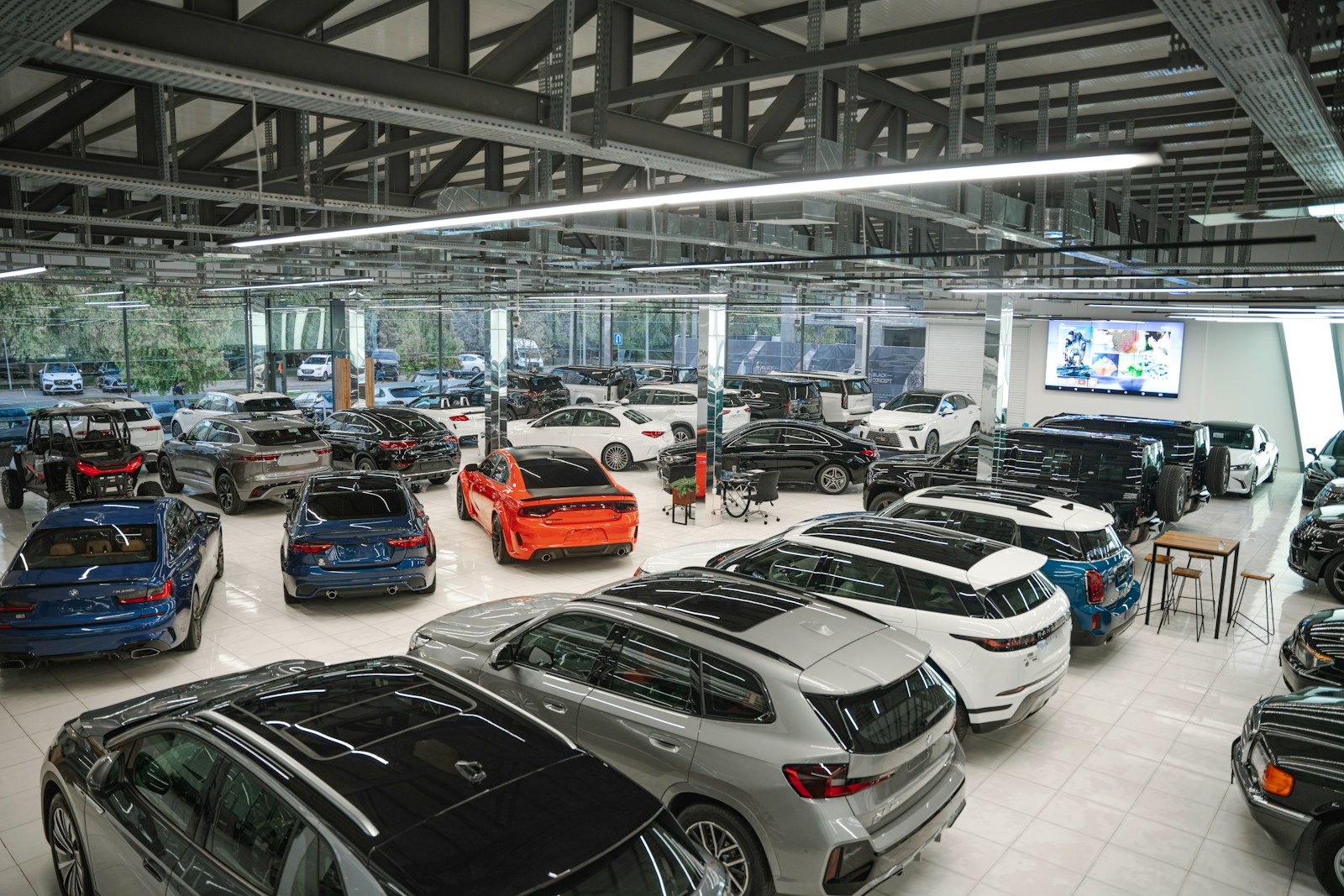
Buying a car is one of the few times adults get put in a small room and offered a menu of “upgrades” like they’re ordering toppings for a pizza. And just like pizza toppings, some are great, some are… why is this even an option? The difference is, one bad topping costs you $2, and one bad dealership add-on can quietly tack on hundreds—or thousands.
To be fair, not every add-on is a scam. Some can genuinely help, especially depending on where you live, how you drive, and how long you plan to keep the car. But there are a handful that sound super responsible and practical in the moment, and then later you realize you basically paid extra for a fancy sentence on a piece of paper.
1) Paint & Fabric Protection “Packages”
This one is a classic: a “protective coating” for the paint and some magic spray for the seats, often bundled into a glossy “appearance package.” The pitch usually includes scary words like “UV damage,” “acid rain,” and “permanent staining,” as if your car is about to enter a hostile environment instead of your work parking lot. Then you see the price and wonder if the coating is made from crushed diamonds.
Here’s the thing: modern car paint is already pretty resilient, and most interiors are designed to handle everyday messes. If you want extra protection, you can usually get a high-quality ceramic coating or fabric protectant from a reputable detailer for less—often with better prep work, which is the part that actually matters. And if the dealership’s version is just a quick wipe-on product, you’re paying luxury pricing for bargain effort.
2) VIN Etching (or “Theft Protection” Etching)
VIN etching is where they engrave your vehicle identification number into the windows to deter theft. It sounds smart—like something insurance companies must love and thieves must fear. But in reality, it’s one of those add-ons that gets a lot of credit for not doing much.
Most modern vehicles already have plenty of anti-theft features, and the actual impact of VIN etching on theft prevention is limited. Even better: in many places, you can get VIN etching done for cheap or even free through local events, police departments, or independent shops. Paying dealership prices for something that can cost a fraction elsewhere is like buying bottled water at the airport—technically useful, wildly overpriced.
3) Nitrogen-Filled Tires
Nitrogen in tires is the kind of upgrade that makes you feel like you’re preparing for a race at Le Mans. The pitch is usually about more stable tire pressure, better fuel economy, and longer tire life. All of that has a tiny kernel of truth… and a big outer shell of “you probably won’t notice.”
For everyday driving, regular air is already about 78% nitrogen, and what matters most is keeping your tires inflated properly. Seasonal temperature changes will still affect pressure, nitrogen or not, and you’ll still need to check it. If the dealership includes nitrogen for free, fine—enjoy your premium atmosphere. If they want $200 for it, your money’s better spent on a good tire gauge and five minutes a month.
4) Key Fob Replacement Plans
Key fobs are expensive, no question. Replacing or reprogramming one can cost a painful amount, especially with newer cars. That’s exactly why the “key replacement plan” pitch works so well: it hits that part of your brain that loves avoiding future hassles.
The catch is the math. Many people never lose a key fob during the coverage period, and the plan’s cost can approach what you’d pay for a replacement anyway—sometimes more. On top of that, the fine print can be picky (limits, deductibles, restrictions on where you can replace it), and some auto insurance policies or credit card benefits already include key coverage. Before buying, ask the price of a replacement key outright, then compare it to the plan cost and terms—no vibes-based purchasing in the finance office.
5) Extended Warranties That Are Vague (or Overlapping)
This is the big one, and it’s also the most complicated. Extended warranties can be genuinely helpful in certain situations—especially if you’re buying a used car, keeping it long-term, or choosing a model with an iffy reliability track record. The problem is that many dealership-offered warranties are loaded with exclusions, overlapping coverage, and language so broad you’d need a legal pad just to translate it.
Some plans mainly cover what’s least likely to break, while the parts most likely to fail are listed under “wear items” or excluded categories. Others overlap with the manufacturer’s warranty you already have, meaning you’re paying extra for protection you already own. If you’re considering one, ask for a full sample contract before you sign anything, look for who administers it (manufacturer-backed is usually clearer), and confirm the deductible, claim limits, and whether you can use it at any repair shop or only specific locations.
How to Handle the Add-On Menu Without Feeling Awkward
The finance office can feel like a weird mix of friendly and intense—like someone offering you cookies while also timing your decision. The easiest move is to slow it down. Ask for the itemized “out-the-door” price with and without add-ons, and make them show the numbers instead of describing benefits in the abstract.
If you’re not sure, it’s completely reasonable to say, “I’m going to think about it,” especially for anything that can be purchased later. A lot of add-ons aren’t urgent, despite how they’re presented. And if they claim an add-on is “already installed” or “mandatory,” ask them to point out where it’s required in writing—because sometimes “mandatory” really means “we’d prefer you don’t argue.”
The Bottom Line
Dealership add-ons aren’t always evil; they’re just a profit center dressed up as peace of mind. The trick is separating what’s genuinely useful from what’s mostly marketing with a price tag. If you go in expecting the add-on pitch and you’re willing to pause, ask questions, and do quick math, you’ll walk out with the car you wanted—not a stack of expensive extras you didn’t.