

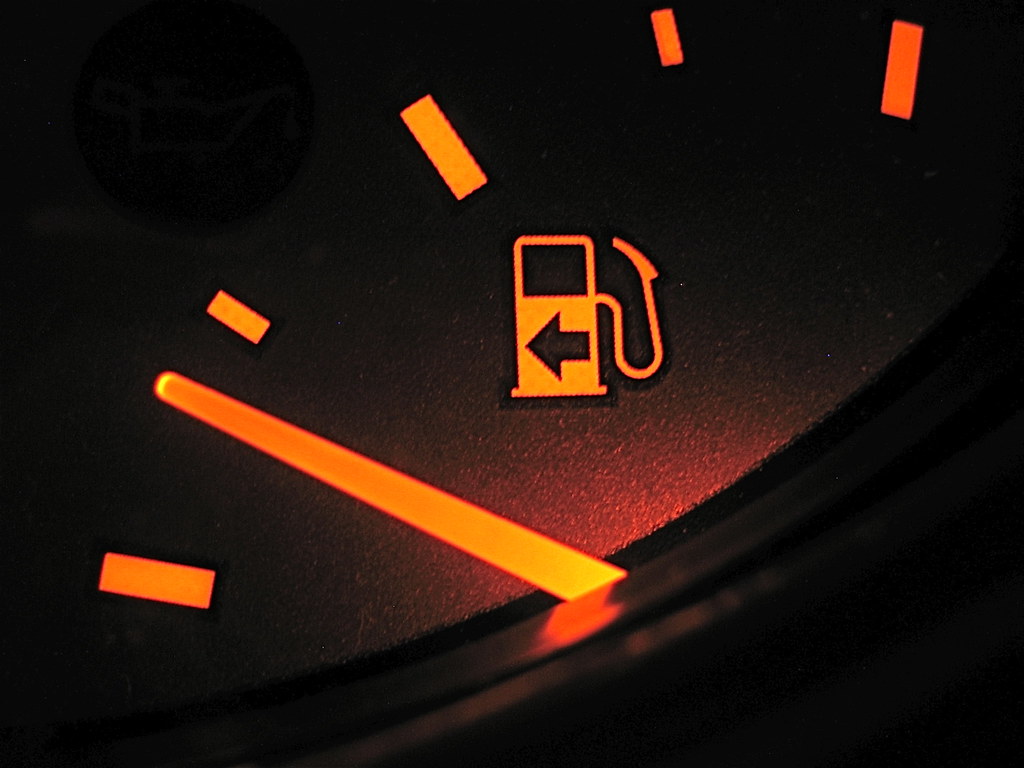
Most of us don’t think about fuel habits until the gas light starts blinking like it’s judging us. But talk to any mechanic, and you’ll hear the same thing: the way you fuel up (and when) can quietly shave years off parts you didn’t even realize were sensitive. The worst part is that these habits feel harmless—until the repair estimate shows up with a few extra zeros.
Here are five fuel-related routines mechanics say are surprisingly good at turning a normal car into a “why is this happening to me?” situation.
1) Driving on “E” like it’s a personality trait
Running your tank low once in a while isn’t the end of the world. The problem is making it a habit—especially if you’re regularly driving with the fuel light on and telling yourself you’ll “totally get it tomorrow.” Mechanics often see fuel system issues show up more in cars that live on fumes.
Why? Your fuel pump relies on gasoline for cooling and lubrication in many vehicles. When the tank is very low, the pump can run hotter, and that extra heat and strain can shorten its life. Also, sediment and debris that naturally settle at the bottom of the tank are more likely to get stirred up and pulled toward the fuel pickup when you’re low, which can clog filters or contribute to injector problems.
A good rule of thumb: try not to let the tank dip below a quarter too often. It’s not a moral failing if you do, but your fuel pump will quietly thank you if you don’t make “E” your comfort zone.
2) Topping off after the pump clicks (and clicks… and clicks)
You know the move: the nozzle clicks off, but you squeeze in a little more—then a little more—until it’s perfectly rounded to the next dollar. Mechanics really wish people would stop doing this, even though they understand the oddly satisfying math of a clean number.
Modern cars have an evaporative emissions system (the EVAP system) that captures and manages fuel vapors. When you “top off,” you can force liquid fuel into parts of the system that are designed for vapor, not gasoline. That can lead to issues like a saturated charcoal canister, failing purge valves, a check engine light that won’t quit, and diagnostic bills that feel personal.
When the pump clicks, treat it like a boundary. Your car already has enough fuel, and you don’t need to bully it into holding three extra ounces.
3) Using the wrong octane because it’s cheaper (or because “premium feels fancy”)
Octane is one of the most misunderstood numbers at the pump. Some people buy regular even though the car calls for premium, hoping the car won’t notice. Other people buy premium for a car designed for regular, because it “must be better,” like feeding your sedan an artisanal diet.
If your owner’s manual says “premium required,” it usually means the engine is tuned for it—often in turbocharged or high-compression setups. Using lower octane can cause knocking (abnormal combustion), and while many modern engines adjust timing to protect themselves, that protection can come with reduced power, worse fuel economy, and—over time in some cases—added stress that contributes to costly problems.
On the flip side, if your car says regular is fine, premium won’t magically clean your engine or unlock hidden horsepower. It’s typically just extra money for no real gain. The best “deal” is simply using what the manufacturer recommends—no more, no less.
4) Habitually buying the cheapest gas from sketchy, low-turnover stations
Not all gasoline is created equal, and mechanics will absolutely tell you they can sometimes guess a car’s fueling habits by what they find in the intake and injectors. The biggest issue isn’t brand snobbery—it’s consistency and cleanliness.
Stations with low turnover (meaning the fuel sits in underground tanks longer) are more likely to have problems with water contamination or sediment. And if a station’s pumps and tanks aren’t well maintained, you may be feeding your car more junk than fuel. Over time, that can contribute to clogged injectors, rough idle, hesitation, and poor mileage—issues that aren’t always catastrophic, but can become expensive to diagnose and fix.
Many mechanics suggest sticking to busy stations and reputable brands, and occasionally using “Top Tier” gasoline when available because it generally includes stronger detergent additives. Think of it like buying produce: you don’t need the most expensive store, but you do want a place where things aren’t… questionable.
5) Ignoring fuel-related warning signs until the car forces the issue
Fuel problems rarely show up as one dramatic moment. They usually start as little annoyances: longer cranks before the engine starts, a stumble when you accelerate, a random misfire, or a check engine light that pops on and off like it’s playing games.
Mechanics say the costly part is waiting. A failing fuel injector or weak fuel pump might begin as a mild drivability issue, but it can lead to running lean, overheating components, damaging a catalytic converter, or causing misfires that stress the engine. And catalytic converters, for the record, are not “cute little repairs.”
If the check engine light is on, get it scanned sooner rather than later—many auto parts stores do it for free, and a shop can interpret what the code actually means in real life. Catching a small fuel pressure issue early can be the difference between replacing one part and replacing three plus a chunk of your savings.
The takeaway: small fueling habits, big long-term consequences
The funny thing about fuel-related damage is that it doesn’t feel like you’re doing anything “wrong.” You’re just driving, busy, and trying to save a few bucks—or a few minutes. But cars are basically rolling systems of picky little components, and the fuel system is one of the pickiest.
If you want the simplest, mechanic-approved approach: keep more than a quarter tank most of the time, stop pumping when it clicks, use the octane your car asks for, buy fuel from stations you trust, and don’t ignore warning signs. It’s not glamorous, but it’s a lot cheaper than learning about EVAP systems or fuel pumps the hard way.