

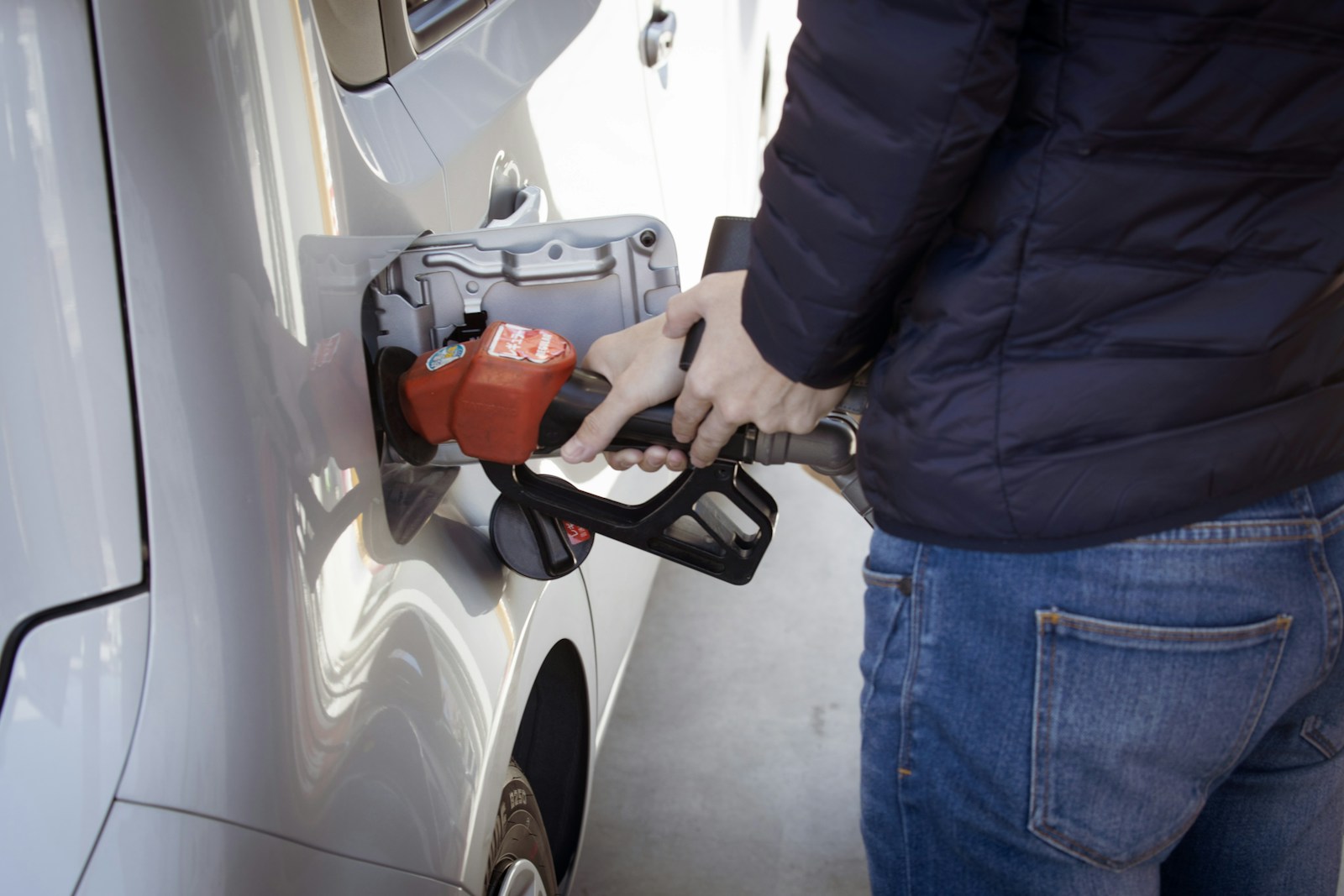
We’ve all done it: you roll up to the intersection, spot a gas station that’s a few cents cheaper than the one across the street, and feel like you just won a tiny, glorious victory. In a world where everything costs more than it used to, those savings add up—or at least they feel like they do. But if “cheapest possible gas” is your main rule every time you fill up, your car might be quietly paying the difference.
To be clear, this isn’t a scare story about bargain gas instantly turning your engine into a sad, smoky paperweight. Most gas sold in the U.S. (and many other countries) has to meet basic standards, and your car is designed to run on it. The real issue is more subtle: the cheapest option can sometimes come with tradeoffs in additives, fuel freshness, and station maintenance that may show up later as rough idling, reduced fuel economy, or pricey cleanups.
Not all gas is “the same,” even if it technically is
Here’s the confusing part: a lot of gasoline does come from the same regional pipelines and terminals. That means two stations in the same area may start with essentially the same base fuel. The difference often happens at the very end, when additives are blended in.
Those additives aren’t marketing glitter—they’re detergents and stabilizers that help keep fuel injectors, intake valves, and combustion chambers cleaner over time. Some brands use more robust additive packages than others, and that can matter if you keep a car for years (or if you’re the type to drive until the wheels politely ask for retirement).
Detergent additives: the boring ingredient that can save real money
Modern engines, especially those with direct injection, can be picky about cleanliness. Tiny fuel passages and precise injector spray patterns don’t love gunk. When deposits build up, you can see symptoms like hesitation, rough idle, or a gradual “why does my car feel lazier lately?” kind of performance drop.
Many major brands advertise “Top Tier” gasoline, a voluntary standard that requires higher levels of detergent additives than the minimum required by law. Using Top Tier fuel isn’t the only way to keep an engine healthy, but it’s a simple habit that can reduce deposit buildup over the long haul. If the cheapest station in town isn’t using a strong additive package, you might be saving pennies now and spending dollars later.
Cheap gas can be fine—cheap stations are the wildcard
Sometimes the biggest risk isn’t the fuel itself, but the station selling it. A high-volume station (busy location, lots of turnover) tends to have fresher fuel because the tanks are constantly being replenished. A quiet station with bargain prices might have gas sitting underground longer, and that can make a difference, especially in hot climates or places with seasonal fuel blends.
Old fuel can lose some volatility, and water contamination becomes more of a possibility if tanks aren’t well maintained. Most stations have systems to manage water, and most of the time it’s a non-issue—but when maintenance is neglected, you can end up with sputtering, hard starts, or a “check engine” light that ruins your week.
Water and sediment: rare, but miserable when it happens
Gas station storage tanks are buried underground, and they’re not immune to leaks, condensation, or sediment. Even a small amount of water can cause rough running, and larger contamination events can leave you stranded. If you’ve ever heard someone say, “I swear that gas messed up my car,” this is usually what they mean.
It’s not that low price automatically equals dirty fuel—it doesn’t. But stations that compete mainly on price sometimes cut costs elsewhere, and maintenance isn’t always the thing customers can see. If a station looks run-down, has ancient pumps, or the place is oddly empty at peak hours, that’s a hint to be a little cautious.
Your fuel economy might quietly take a hit
Even without dramatic problems, consistently using fuel with weaker detergent additives can contribute to deposit buildup that slightly reduces efficiency. That’s the sneaky part: you might not notice day to day, but over months you could be getting fewer miles per gallon. At that point, the “cheap” gas isn’t so cheap.
Also, if your car requires premium, using regular to save money is a different issue entirely. Most cars that recommend premium will run on regular, but performance and fuel economy can drop. If your owner’s manual says premium is required, regular can lead to knocking and potential long-term damage—no discount is worth that.
Will it void your warranty? Probably not, but read the fine print
Automakers generally don’t demand a specific brand of gasoline. What they do require is the correct octane rating and, in some cases, fuel that meets certain detergent standards. If a problem comes up and the manufacturer can show the fuel quality contributed, you could have an argument on your hands.
Realistically, warranty fights over “cheap gas” aren’t common. But keeping receipts and sticking to reputable stations is a low-effort way to avoid headaches, especially if your car is newer or has a turbocharged engine.
How to buy smart without paying “fancy fuel” prices
If your budget is tight (whose isn’t?), you don’t have to swear off discounts forever. The goal is to be strategic: look for busy stations, preferably ones that appear clean and well-kept. High turnover is your friend, because fuel freshness matters more than people think.
Another easy compromise is to run a tank of Top Tier fuel every so often if you usually buy whatever’s cheapest. Think of it like brushing your teeth and occasionally doing a whitening strip—daily habits matter, but periodic cleanup helps too. You can also follow your car’s maintenance schedule and replace fuel filters when recommended, especially on older vehicles.
Signs your fuel choice might be causing trouble
If your car starts idling rough, hesitating when you accelerate, or feeling weaker than normal, don’t panic—but pay attention. A sudden drop in fuel economy, repeated “check engine” lights for misfires, or hard starts can all be clues that something’s off. Bad fuel isn’t the most common cause, but it’s an easy one to rule out by switching stations and seeing if the problem fades.
If issues persist, a mechanic can check fuel trims, injector performance, and misfire counts to see what’s going on. Sometimes the fix is as simple as a fuel system cleaning; sometimes it’s a separate problem entirely. But if the symptoms show up right after a fill-up at a questionable station, your detective work just got a lot easier.
The bottom line: cheap can be smart, but “cheapest always” can get expensive
Buying the lowest-priced gas isn’t automatically bad, and plenty of people do it for years with no drama. The catch is that fuel quality isn’t just about meeting minimum standards—it’s about additives, freshness, and how well the station takes care of its equipment. If you’re saving a few cents per gallon but risking deposits, poor performance, or contamination, the math can flip on you.
A good rule of thumb: choose stations that look cared-for, stay busy, and ideally sell Top Tier fuel when you can. Save money where it truly doesn’t matter, but don’t make your engine the place you cut corners every single time. Your car’s already doing enough for you—getting you to work, hauling groceries, and listening to your music choices without judgment.