

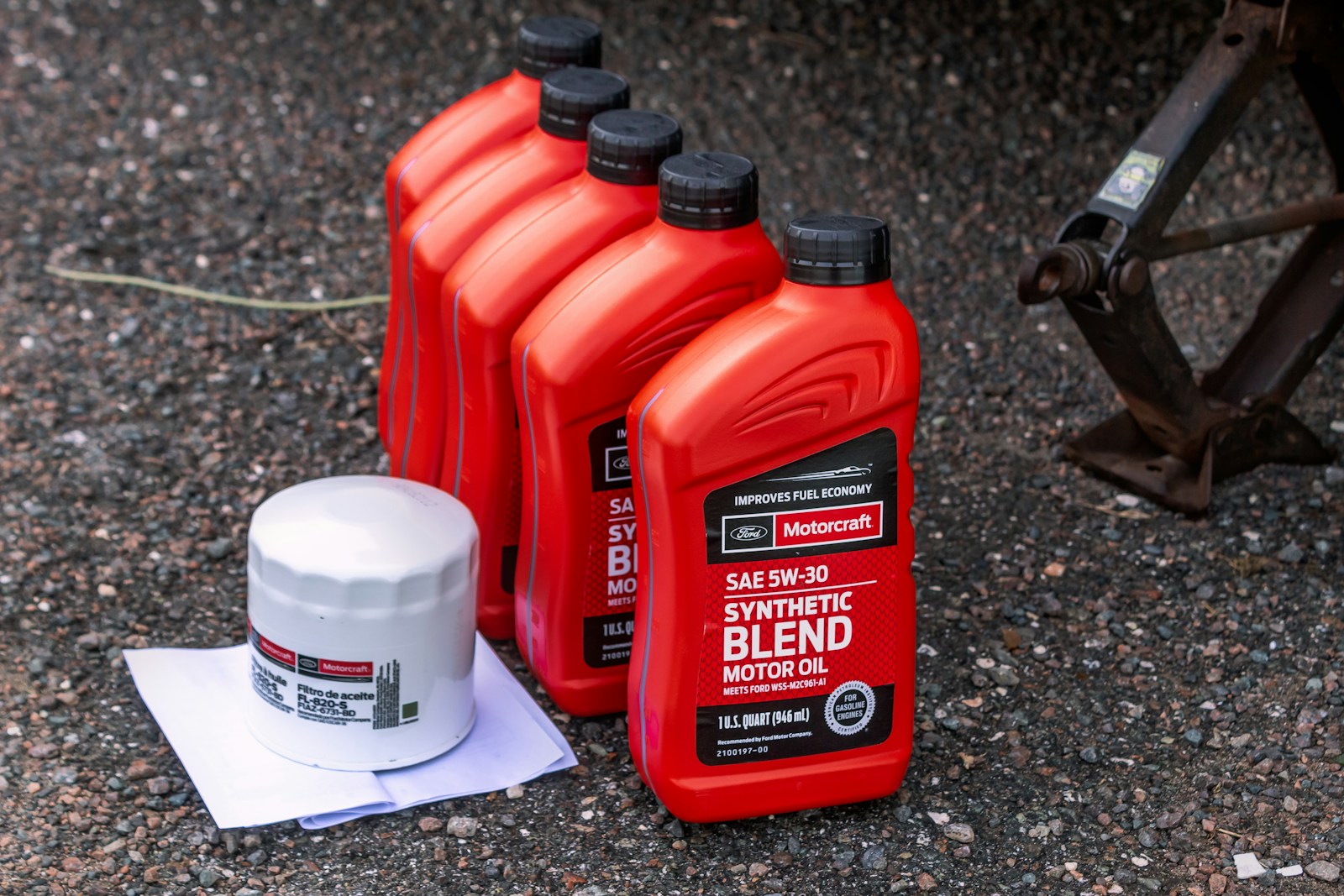
Walk into any auto parts store and you’ll see a wall of oil bottles that all promise basically the same thing: cleaner engines, longer life, better protection. And sure, most modern oils meet minimum standards. But mechanics—especially the ones who’ve torn down a lot of engines and seen what’s left behind—will tell you not all oils feel the same in real-world use.
To be clear, this isn’t a courtroom verdict on any brand. A lot depends on your engine, your driving habits, and whether you’re changing oil on time. Still, there are a few names that come up again and again in shop talk as “not as good as people expect,” usually because they’re heavily marketed, priced like premium, or riding on old reputations.
1) Generic Store-Brand Conventional Oil (the cheapest jug on the shelf)
Mechanics don’t usually hate store-brand oil on principle—they hate what drivers expect it to do. The bargain jug is often fine for a basic commuter car with short intervals, but people buy it and then push 7,500–10,000 miles like it’s a top-tier synthetic. That’s where the complaints start: more noise on cold starts, quicker darkening, and that “it just feels tired” vibe by mid-interval.
The issue isn’t always that it’s “bad,” it’s that it tends to have less margin for abuse. If your plan is strict 3,000–5,000-mile changes and you’re not driving hard, it can work. If you’re stretching intervals or dealing with turbo heat, you’re asking a thrift-store jacket to handle a blizzard.
2) “High Mileage” Oil That’s Mostly Marketing
High-mileage oil can be genuinely helpful, especially for older engines that seep a little or burn a bit between changes. But mechanics say some high-mileage labels are more sizzle than steak—drivers expect miracles, and instead they get… oil. Sometimes it quiets a tick for a week, then everything goes back to normal.
Shops see this most with cars that have real mechanical wear: valve stem seals, piston rings, timing components. Oil can’t un-wear metal, no matter how comforting the bottle sounds. A good high-mileage formula can help condition seals and reduce consumption, but it’s not an engine rebuild in a jug.
3) “Full Synthetic” That’s Thin on Real-World Staying Power
This is the one that gets mechanics rolling their eyes, because “full synthetic” doesn’t always mean “top of the line.” In some markets, oils labeled full synthetic can be blended from different base stock types, and some feel like they shear down faster or lose their edge sooner than drivers expect. The common story is: it looks great on the label, but the engine feels louder by the end of the interval.
That doesn’t mean the oil fails a spec test, but specs are a minimum bar—not a personality test for your engine. If you’re running long intervals, towing, dealing with stop-and-go, or driving a turbo, mechanics tend to steer people toward oils with a stronger track record for that kind of punishment.
4) “Racing” Oil Used in Regular Street Cars
Racing oil sounds cool. It’s like buying shoes that say “Olympic” on them and assuming you’ll suddenly run faster to the grocery store. Mechanics say the problem is that some racing oils aren’t designed for long drain intervals or everyday emissions equipment, and they may have additive packages that don’t play nicely with catalytic converters over time.
On a track car that gets frequent oil changes, racing oil can be the right tool. On your daily driver that sees 6,000 miles between changes, it’s often the wrong tool with a shiny label. The disappointment usually shows up as faster breakdown, weird deposits, or just not living up to the hype you paid for.
5) Bulk Shop Oil (when you don’t know what you’re getting)
This one isn’t a brand you’ll see on a bottle—because you don’t see a bottle. Many quick-lube places and even some independent shops use bulk oil from a large tank, and the quality can range from perfectly fine to “hmm.” Mechanics say the bigger issue is transparency: drivers assume it’s a premium name-brand synthetic, but it may be a basic house blend.
Bulk oil isn’t automatically bad, and plenty of reputable shops use excellent bulk products. The problem is when the oil doesn’t match the sales pitch, or when the shop is sloppy about which viscosity goes in which car. If you’re picky (and your engine is, too), it’s fair to ask what brand, what spec, and what viscosity they’re pumping.
6) “Stop-Leak” Oil Additive Blends
There’s a certain kind of oil product aimed at people who’ve noticed a drip and would rather not think about it again. Mechanics get why it’s tempting, but they also see the downside: some stop-leak formulations can swell seals in ways that aren’t always predictable, and the fix can be temporary. Sometimes it helps, sometimes it just delays the inevitable while making later repairs messier.
If you’ve got a minor seep and you’re trying to buy time, a cautious approach can make sense. But if the leak is active or you’re losing noticeable oil, the better move is diagnosing where it’s coming from. Oil should be protecting your engine, not playing whack-a-mole with gaskets.
7) Off-Brand “Too Cheap to Be True” Online Oils
Mechanics say the riskiest category right now isn’t always what’s on the shelf—it’s what’s in an online listing with a suspiciously low price. In the real world, counterfeit and mislabeled automotive fluids exist, especially for popular weights like 0W-20 and 5W-30. The scary part is you might not notice until the engine starts sounding like it’s reconsidering its life choices.
Even when it’s not counterfeit, ultra-cheap off-brands may not have clear approvals for the specs your vehicle actually requires. Modern engines can be picky about standards like dexos, API SP, ILSAC GF-6, or specific European approvals. If the label is vague or the seller is sketchy, mechanics tend to say it’s not worth gambling a $6,000 engine to save $12.
What Mechanics Suggest Instead (Without Turning Oil Shopping Into a Hobby)
If you want the simplest, most mechanic-approved strategy: use the viscosity your owner’s manual calls for, and pick an oil that clearly lists the correct specs and approvals. Then change it on time—earlier if you do lots of short trips, idle a bunch, tow, or drive a turbo hard. Boring? Yes. Effective? Also yes.
And if you’ve been disappointed by an oil before, it doesn’t necessarily mean the brand is trash. It might just be the wrong match for your engine or your intervals. When in doubt, a good local mechanic can recommend an oil that holds up well in your specific climate and driving routine—because they’re the ones who see what’s happening inside engines, not just on labels.