
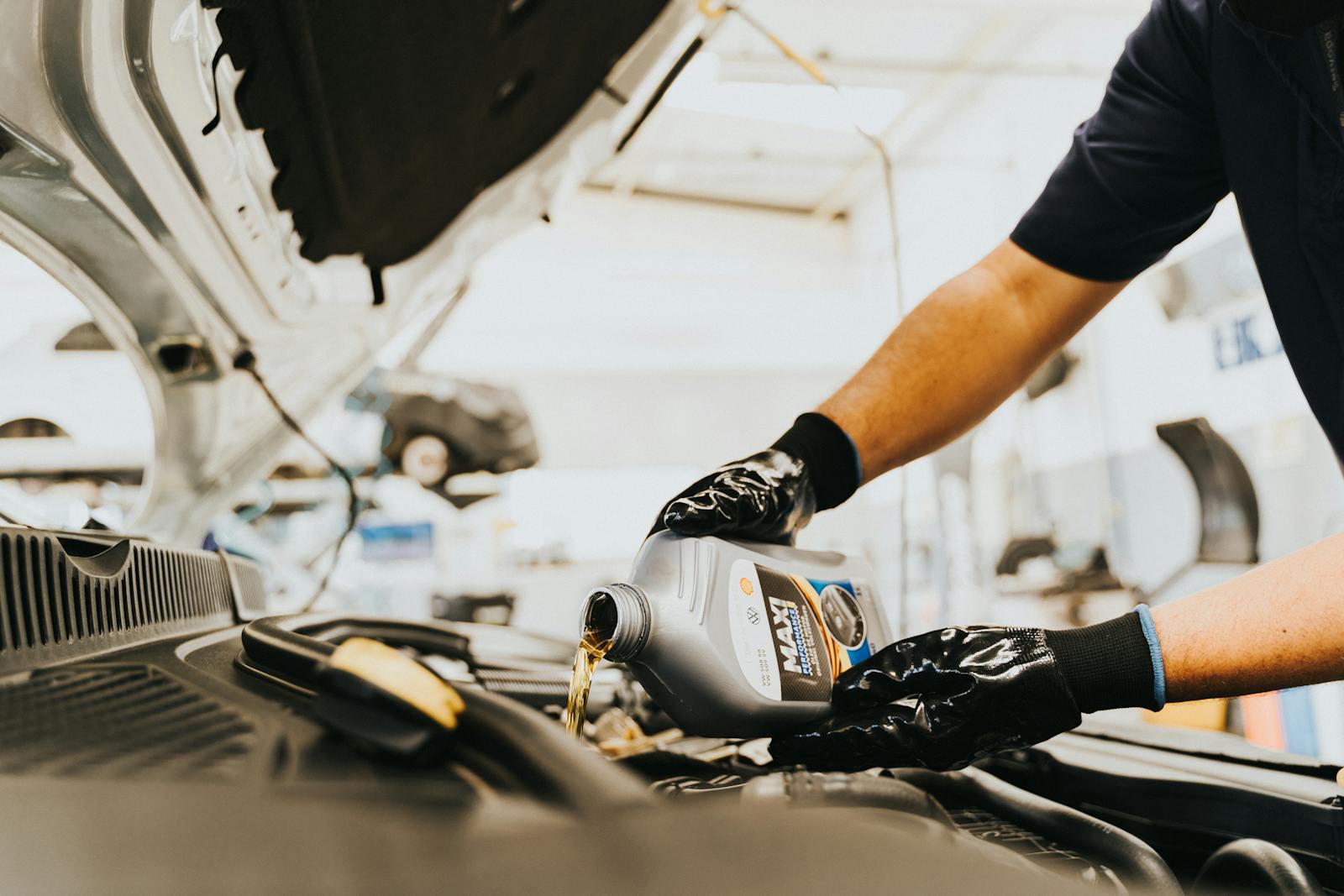

You know that little sticker in the corner of your windshield that’s been quietly judging you for the last 2,000 miles? It’s not being dramatic. Engine oil really does have a job to do every second your car is running, and when it’s overdue, the problems don’t show up all at once — they build, layer by layer, like dishes in a sink you swear you’ll handle “tomorrow.”
The tricky part is that your car will often keep driving “fine” right up until it doesn’t. And by the time you notice something’s off, the oil inside your engine may have already gone from helpful lifeblood to stressed-out, worn-out gunk. Here’s what starts happening under the hood when oil changes get pushed way past their due date.
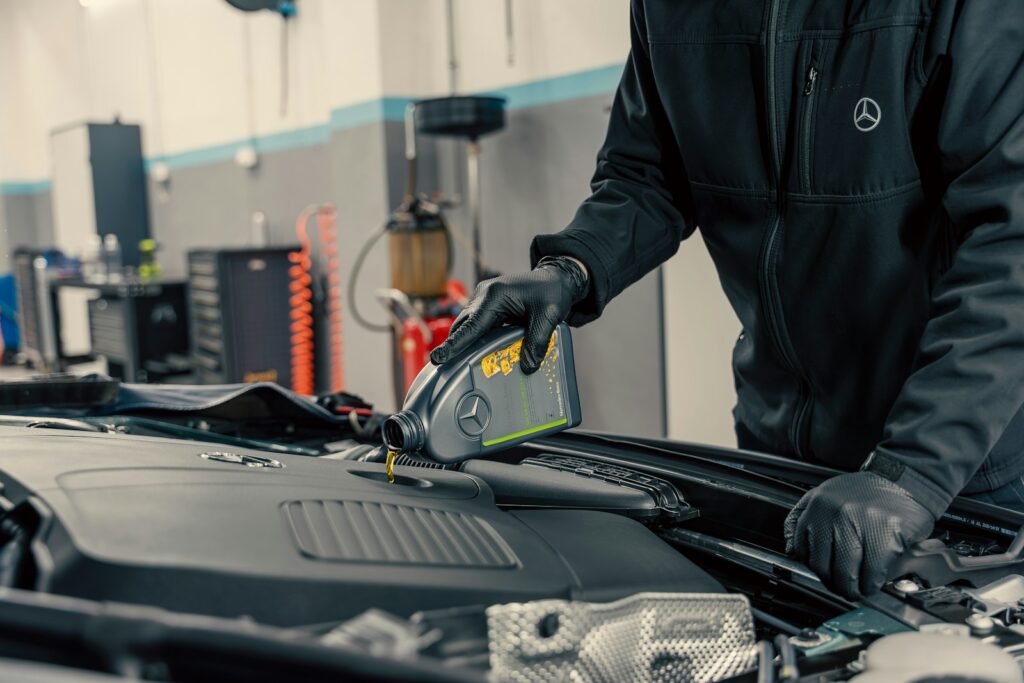
Oil doesn’t just get dirty — it breaks down
Fresh oil is designed to lubricate, cool, clean, and protect. But as miles add up, heat cycles, oxygen, and combustion byproducts start changing its chemistry. The additives that help oil fight wear and resist breakdown don’t last forever, and eventually they get used up.
Once that happens, the oil can thin out too much or thicken into a heavier sludge-like consistency. Either way, it stops flowing the way your engine needs it to. And engines are picky: the difference between “thin enough to reach everything” and “too thin to protect anything” matters.
Friction starts winning (and it’s not subtle)
Inside your engine, metal parts are moving fast and close together — pistons, bearings, camshafts, valve train components. Oil is what keeps those surfaces from rubbing directly against each other. When oil is degraded, that protective film gets weaker and patchier.
That’s when friction and heat start creeping up. You might not hear it at first, but the wear is happening. Over time, that extra friction can lead to accelerated bearing wear and scoring on critical surfaces, which is a fancy way of saying “the engine is slowly sanding itself down.”
Sludge begins to form, and it loves small passages
One of the most common “I waited too long” engine surprises is sludge. Sludge is basically oil that’s oxidized and contaminated enough to turn into thick deposits. It tends to collect in valve covers, oil pans, and anywhere oil sits or moves slowly.
The real issue is that engines rely on tiny oil passages to feed lubrication to high-stress components. Sludge doesn’t need to block a passage completely to cause trouble — even partial restriction can reduce oil flow and starve parts that are counting on it. Think of it like plaque in an artery, except it’s happening to your camshaft.
Your oil filter gets overwhelmed
Oil filters are great, but they’re not magical. They’re built to trap contaminants while allowing oil to flow, and they’re sized with a certain service interval in mind. If you stretch oil changes way beyond that interval, you’re also stretching the filter’s ability to do its job.
As the filter loads up with debris, flow can drop. Some filters have bypass valves that open when the filter is too restricted, which means unfiltered oil can circulate through the engine. That’s not an instant death sentence, but it’s also not something you want happening for thousands of miles.
Heat management gets worse, especially in modern engines
Oil doesn’t just lubricate — it helps carry heat away from hotspots. Modern engines, especially turbocharged ones, run hotter and place more demand on the oil than older designs did. When oil is old and broken down, it can struggle to manage those temperatures.
That can lead to more oxidation, which leads to more deposits, which leads to even worse heat control. It’s a feedback loop no one wants. If your car has a turbo, overdue oil changes are like feeding it a steady diet of “maybe it’ll be fine.”
Small deposits can turn into big repair bills
When oil is overdue, deposits don’t just sit there politely. They can gum up piston rings, clog PCV systems, and interfere with variable valve timing components that rely on clean oil pressure. Those systems are engineered for precision, not for working through a layer of varnish.
At first, the symptoms are easy to ignore: rough idle, sluggish acceleration, worse fuel economy. Then you might get check-engine lights tied to timing performance or oil pressure issues. The annoying part is that the fix can go from “oil change” to “parts replacement” before you’ve even connected the dots.
Oil pressure problems start showing up at the worst times
Oil pressure is like your engine’s blood pressure — you don’t think about it until it’s suddenly alarming. Old oil can contribute to low oil pressure if it’s thinned out, or it can cause flow restrictions if sludge is building up. Either way, the engine’s lubrication system stops operating in its happy zone.
Low oil pressure is especially dangerous because it can mean certain areas aren’t getting enough lubrication under load. That’s when you see the scary stuff: knocking sounds, overheating, and damage that can spiral quickly. If an oil pressure warning light comes on, that’s not a “swing by the shop this weekend” situation.
“But my car says I can go 10,000 miles…”
Some cars genuinely can, under the right conditions, with the right oil, and with an engine in good shape. The catch is that many of us drive in “severe service” without realizing it: lots of short trips, stop-and-go traffic, cold starts, towing, hot climates, dusty roads — all of that is harder on oil.
Oil life monitors also work off algorithms and sensor data, not a tiny lab test of your actual oil. They’re helpful, but they’re not all-knowing. If your driving is mostly short trips or your engine is older and uses a bit of oil, it’s smart to be a little conservative.
What you can do (without becoming an oil-change zealot)
The simplest move is to follow your owner’s manual and be honest about how you drive. If you’re mostly doing quick errands and city driving, consider shorter intervals than the maximum advertised number. And if you’re using synthetic oil, great — just remember synthetic isn’t invincible, it’s just tougher.
Also: check your oil level occasionally. Running low can be even more damaging than running old, because less oil means less cooling and less cushion against wear. If you’re not sure what interval is right for your car, a reputable shop can recommend one based on your engine, mileage, and driving habits — no scare tactics required.
Waiting too long between oil changes usually doesn’t cause one dramatic failure. It causes a bunch of small, boring problems that slowly add up until they’re not boring anymore. And yes, that windshield sticker might be smug — but it’s not wrong.
More from Steel Horse Rides: