
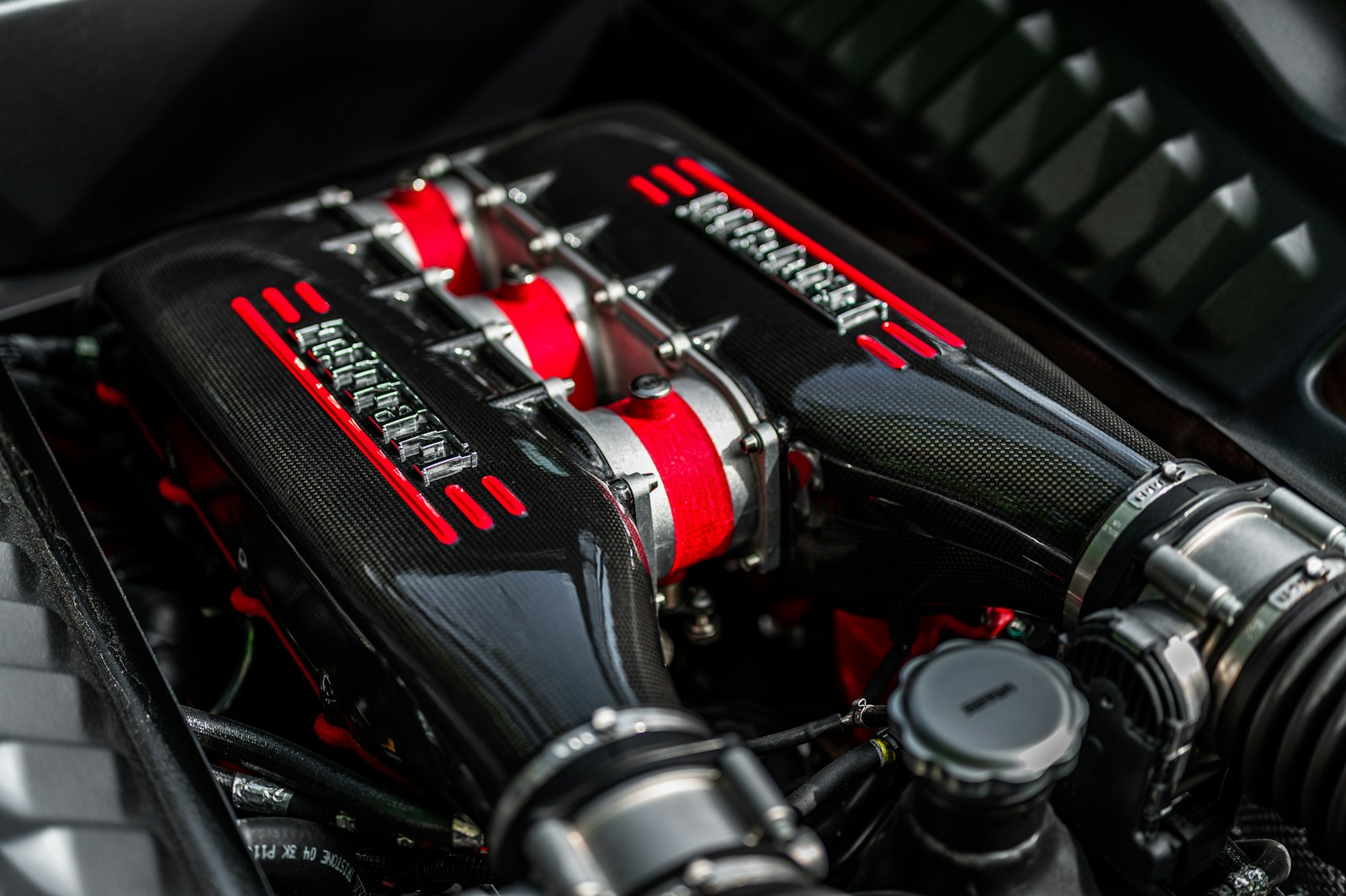

If you’ve ever stood in the auto parts aisle staring at a wall of little bottles promising “more power,” “better mileage,” and “like-new performance,” you’re not alone. The marketing is loud, the claims are big, and the prices are usually just low enough to feel like a harmless experiment. But ask a few working mechanics what actually moves the needle, and you’ll hear a pretty consistent message: most “engine boosters” don’t boost much besides the store’s profit.
That doesn’t mean every additive is a scam or that your engine can’t benefit from the right product in the right situation. It just means a lot of these miracle fixes are aimed at normal engines that don’t need them—or at problems that require real diagnostics, not a magic potion. Here are six “engine boosters” mechanics commonly call a waste of money, and what to do instead if you’re chasing better performance.
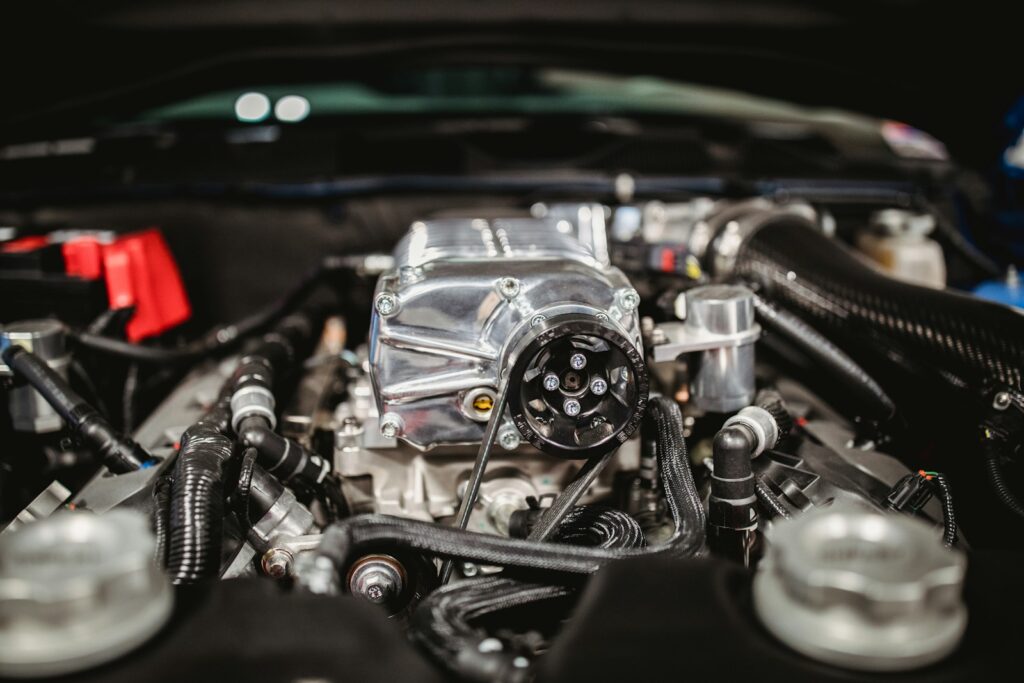
1) Octane boosters (for cars that don’t need premium)
Octane booster sounds exciting because it whispers “race car.” In reality, octane doesn’t mean “more power” by itself—it’s mainly about preventing knock in engines designed for higher octane fuel. If your owner’s manual says regular 87 is fine, dumping an octane booster in the tank usually won’t make your car faster or smoother.
Mechanics also point out that many over-the-counter boosters barely raise octane at all in real-world terms. A label might brag about “+5 points,” but that often means tenths of an octane number, not five full numbers. If your car is pinging, the better move is to diagnose why—carbon buildup, bad fuel, a sensor issue—rather than trying to outsmart it with a bottle.
2) “Fuel saver” magnets and clip-on gadgets
These are the little devices that clip onto a fuel line or stick under the hood and claim they “align molecules” or “ionize fuel” for better combustion. It’s a fun sci-fi idea, but mechanics tend to lump these into the same category as mood rings: entertaining, not effective. If they reliably delivered 10–20% better mileage, every automaker on the planet would install them at the factory.
What actually improves fuel economy is boring stuff: correct tire pressure, clean filters, working oxygen sensors, properly functioning injectors, and not dragging around 200 pounds of “just in case” gear in the trunk. If you want a quick win, check your tire pressures and look for a dragging brake caliper—those two things can make a bigger difference than any magnet ever will.
3) “Universal” engine flushes (especially on high-mileage engines)
Engine flush products promise to dissolve sludge and restore lost performance. Sometimes they do loosen deposits—but mechanics worry about what happens next. On older engines, dislodged gunk can move to places you really don’t want it, like oil passages or the oil pickup screen, and that can create new problems fast.
Most of the time, if an engine is sludged up, it got there from neglected oil changes, the wrong oil, or a mechanical issue that’s cooking the oil. A safer approach is frequent oil changes with the correct spec oil, and—if needed—professional diagnosis. And if you just bought a used car and you’re nervous? A mechanic inspection beats a chemical cleanse every day of the week.
4) “High-performance” air filters that promise horsepower
Reusable, oiled “performance” filters have their fans, but the horsepower claims are often… optimistic. On many modern cars, the factory airbox and filter already flow plenty of air for a stock engine. Unless you’re actually maxing out airflow (usually after other mods), you may not feel any difference besides a lighter wallet.
The bigger concern mechanics bring up is that some oiled filters can contaminate the mass airflow (MAF) sensor if they’re over-oiled. That can lead to rough running, check-engine lights, and weird fuel trims—basically the opposite of “boosted.” If you want the engine to breathe well, replace the stock filter on schedule and make sure the airbox is sealed and the intake ducting isn’t cracked.
5) “Injector cleaner” you use constantly (instead of fixing the cause)
Fuel system cleaners can be useful in specific cases, and some top-tier products do what they claim. But mechanics roll their eyes at the idea that you need a bottle every other fill-up to keep your car happy. Modern gasoline already contains detergents, and “Top Tier” branded fuel has even more.
If your car has real injector issues—misfires, rough idle, poor acceleration—routine store-bought cleaner might not touch it. You may need a proper diagnostic, a targeted cleaning service, or in some cases an injector replacement. A good rule of thumb: occasional cleaner as maintenance is one thing; using it like a monthly subscription because the car “feels tired” is usually money chasing a deeper problem.
6) “Oil thickener” and mystery stop-leak boosters
Products that thicken oil or promise to “restore compression” can make an engine sound quieter temporarily. That’s the trap: it feels like a win. But mechanics often see these as short-term bandages that can reduce oil flow, interfere with variable valve timing systems, or mask symptoms you actually need to monitor.
Stop-leak additives can also swell seals in ways that are unpredictable—and sometimes permanent. If you’ve got leaks, the best fix is identifying where they’re coming from (valve cover gasket, oil pan, rear main seal) and deciding whether repair makes sense. And if your engine is burning oil, check the PCV system and look for external leaks before you start “seasoning” your crankcase like it’s soup.
So what actually works when your engine feels sluggish?
Mechanics usually recommend starting with basics that are almost unfairly effective: fresh oil of the correct spec, a clean air filter, and new spark plugs if they’re due. If you’ve got a check-engine light—don’t ignore it. Even a cheap scan tool (or a free scan at many parts stores) can point you in a smarter direction than guessing with additives.
Also worth it: making sure the engine is running at the correct temperature (a stuck thermostat can hurt performance), cleaning the throttle body if it’s gummed up, and addressing vacuum leaks. These aren’t flashy fixes, but they’re the kind that restore the performance you already paid for when you bought the car. And unlike most “boosters,” they don’t come with a side of wishful thinking.
The bottom line? If a product promises instant horsepower, better mileage, cleaner everything, and a longer engine life—all from one bottle—it’s probably selling hope. A good maintenance schedule, quality fuel, and real diagnosis when something’s off will outperform most miracle additives every time. Your engine doesn’t need magic. It needs the boring stuff done consistently.
More from Steel Horse Rides: