


Aftermarket parts are tempting for the same reason late-night drive-thru is: it’s quick, it’s exciting, and it feels like a shortcut to happiness. Sometimes it is! But other times, that “upgrade” ends up being the automotive version of buying furniture online and realizing it’s dollhouse-sized when it arrives.
To be clear, not all aftermarket parts are bad. Plenty are excellent, especially from reputable brands with good testing and support. Still, there are a handful of popular mods and replacement parts that regularly turn simple cars into rolling science projects—usually with the owner paying the tuition.
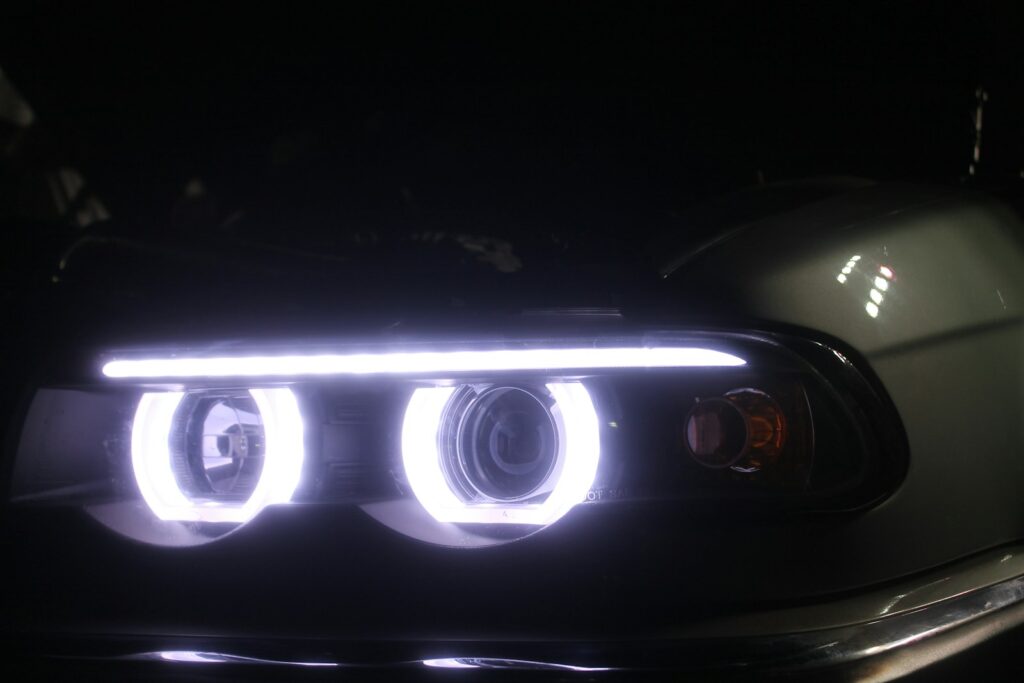
1) Cheap LED headlight “bulbs” in halogen housings
Swapping halogen bulbs for LEDs sounds like an easy win: brighter light, modern look, longer life. The problem is that most halogen headlight housings are engineered around the exact position and shape of a halogen filament. Drop an LED emitter in there, and the beam pattern often turns into a scattered light show—bright in all the wrong places and weirdly dim where you actually need it.
That’s how you get the classic “I can see everything except the road” experience. It can also blind oncoming drivers, which is a great way to collect angry flashes and bad karma. If you want LED lighting done right, look for complete headlight assemblies designed for LEDs or quality retrofit projectors from a reputable shop—not the bargain-bin kit that promises “10,000 lumens!!!” like it’s a nightclub.
2) Oiled “high-flow” air filters (especially when the MAF sensor is involved)
A reusable, oiled high-flow intake filter is one of the most common mods out there, and it’s easy to see why. You get more intake noise, it feels sporty, and the marketing makes it sound like your engine’s been trying to breathe through a straw. But on many modern cars, especially those with a mass airflow (MAF) sensor, these filters can be a headache in disguise.
If the filter is over-oiled (which happens a lot), tiny droplets can coat the MAF sensor. Then your engine computer starts making decisions based on bad airflow data—hello rough idle, weird hesitation, and surprise check-engine lights. Even when the sensor doesn’t get gunked up, the performance gains are often tiny on an otherwise stock engine, while the risk of filtration trade-offs and sensor issues stays very real.
3) Low-quality coilovers and “lowering kits” that chase stance over sanity
A lowered car can look fantastic. The issue is when the kit is more about looks than engineering, and suddenly your suspension geometry is having a personal crisis. Cheap coilovers often come with harsh springs, underdamped shocks, questionable seals, and “adjustability” that really just means you can dial in new noises every season.
Beyond ride quality, lowering can introduce accelerated tire wear, bump steer, rubbing, and premature failure of ball joints, axles, and bushings. If it’s dropped too far without corrected geometry (think camber arms, proper alignment range, and thoughtful spring rates), it becomes a cycle: you fix one problem, and two more pop up like whack-a-mole. If you want to lower your car, spend the money on a well-reviewed setup and budget for a real alignment from a shop that understands modified suspensions.
4) “Universal fit” cold air intakes that aren’t actually cold (or well sealed)
Cold air intakes get sold as a straightforward power upgrade. In reality, a lot of them are just “hot air intakes” with great branding—especially the ones that ditch factory airboxes and heat shielding. If the filter is sitting in a warm engine bay, it’s inhaling heat, not horsepower.
Then there’s fitment. Universal kits often rely on couplers, clamps, and hopes-and-dreams routing, which can lead to vacuum leaks, loose connections, and rubbing against things that really shouldn’t be rubbed. Some intakes also mess with airflow characteristics enough to confuse the MAF sensor, causing lean/rich conditions and drivability problems. The factory intake on many cars is already pretty efficient, and unless you’re pairing upgrades with a tune and proper heat management, the “gain” can mostly be noise (fun noise, sure, but still).
5) No-name sensors and bargain ignition components
If there’s one category where “cheap” can get expensive fast, it’s sensors. Crank position sensors, oxygen sensors, MAF sensors, cam sensors—these aren’t just simple parts. They’re how your car’s computer understands the world, and a low-quality signal can send the entire system into confusion.
The frustrating part is how these failures show up: intermittent stalling, random misfires, mystery codes that don’t stay fixed, fuel economy that quietly tanks. You replace the part, the problem “kind of” goes away, and then it comes back when you’re late for something important. With sensors and ignition components (coils, plugs, wires where applicable), sticking to OEM or known-tier brands is usually the cheapest option in the long run—because it’s the one that actually ends the problem.
So what should you do instead?
A good rule: if the part affects safety, drivability, or engine management, don’t gamble. Headlights, suspension, sensors, and anything that feeds data to the ECU deserve quality parts and careful installation. “But it has five stars online” is not the same thing as “it works correctly on your exact vehicle for three years.”
If you’re itching to mod, start with upgrades that are low drama: quality tires, good brake pads and fluid, fresh OEM maintenance items, and thoughtful quality-of-life tweaks. And when you do want performance, plan it like a system—parts that work together, installed correctly, with tuning and supporting mods where needed. The best builds aren’t the loudest ones; they’re the ones that start every morning and don’t turn your dashboard into a Christmas tree.
More from Steel Horse Rides: