
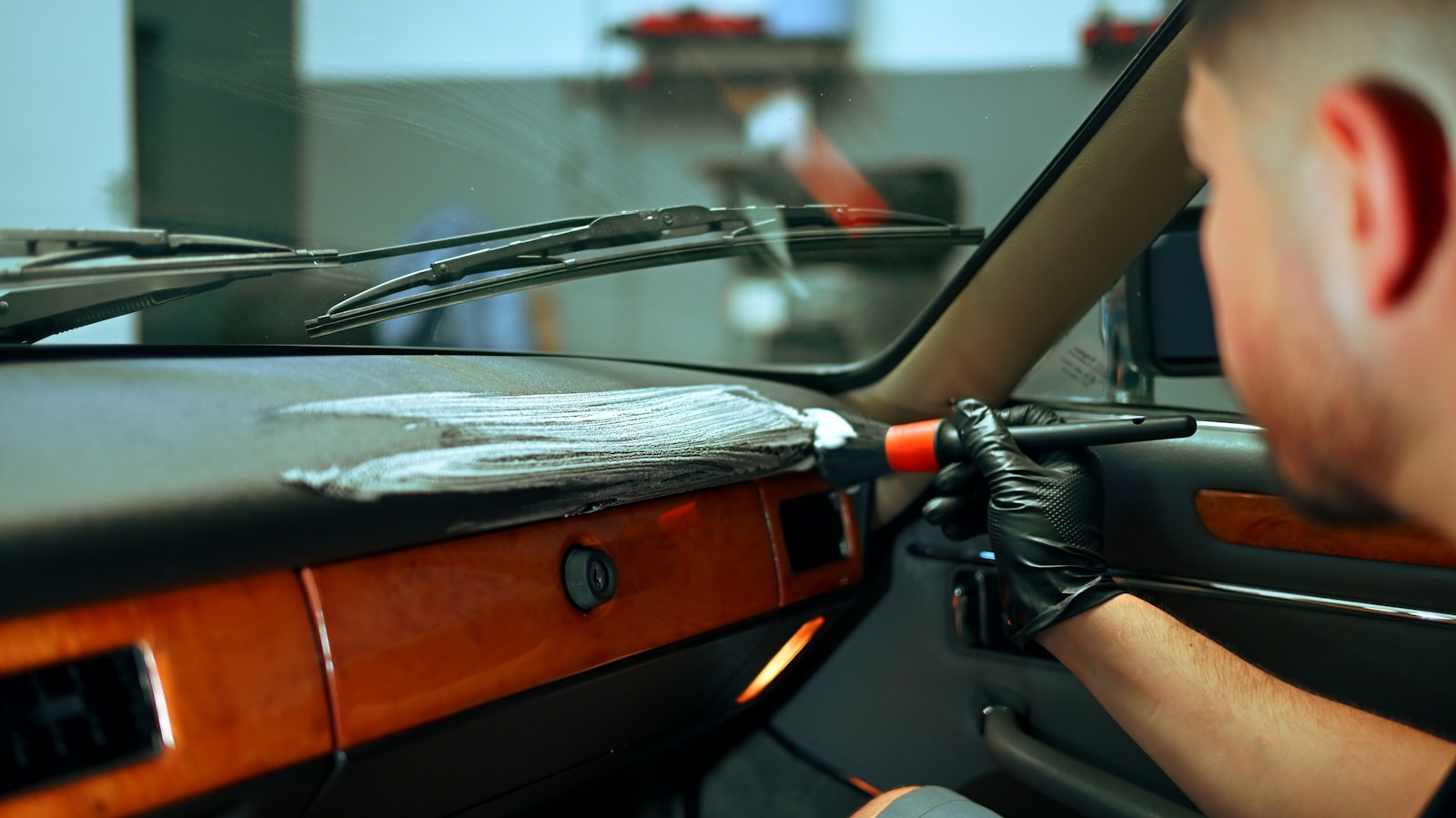

Your dashboard takes more abuse than you think. It sits there all day baking in the sun, collecting body oils, dust, and whatever mystery residue comes from that one coffee that exploded in the cup holder three months ago. So it makes sense that when it starts looking dull or grimy, you reach for the nearest cleaner and go to town.
But here’s the annoying truth: some of the most common “cleaners” people use inside their cars can quietly wreck dashboard materials over time. We’re talking fading, sticky films, weird shiny patches, and even cracking—basically the automotive version of over-exfoliating your face with sandpaper.
Why dashboards are so easy to mess up
Most dashboards aren’t made of one simple material. Depending on your car, you might have vinyl, soft-touch plastics, polyurethane coatings, faux leather wraps, matte anti-glare finishes, or layered clear coats. They’re designed to look good and reduce reflections—until the wrong chemical shows up and starts stripping, drying, or dissolving that top layer.
Heat makes everything worse. A product that seems “fine” when you wipe it on can react differently after a week of sun exposure, turning into a sticky haze or making the surface brittle. So if your cleaner has harsh solvents, strong alcohol, or oily additives, your dashboard might be paying for it later.
1) Glass cleaner (especially ammonia-based)
Glass cleaner is the classic “it’s right there, so I’ll just use it” choice. The problem is that many glass cleaners are formulated with ammonia or other strong agents meant to cut through grime on windows—not to be gentle on plastics and coatings. Over time, they can dry out vinyl and plastics, dull soft-touch surfaces, and sometimes discolor trim.
Another sneaky issue: overspray. Even if you only meant to clean the windshield, a fine mist can land on the dash, and it doesn’t take much to leave a patchy, streaky look. If you love glass cleaner, keep it for glass, spray it into a towel (not into the air), and aim like you mean it.
2) Household disinfecting wipes
Disinfecting wipes feel like a responsible choice, especially after cold-and-flu season or a ride-share passenger who left behind more than just vibes. Many of them, though, contain alcohols or quaternary ammonium compounds that can be too aggressive for interior coatings. Repeated use can lead to fading, a chalky look, or that dreaded “tacky dashboard” situation where the surface feels like it never fully dries.
They’re also rougher than you’d think. Some wipes have a slightly abrasive texture, and on glossy piano-black trim or delicate matte finishes, that can translate into micro-scratches that show up in sunlight. Your car doesn’t need to be sterile; it needs to be clean without being chemically bullied.
3) All-purpose cleaners (APCs) from under the sink
APCs are the Swiss Army knife of cleaning—counters, bathrooms, floors, you name it. That’s exactly why they can be a problem in a car. Many household APCs are higher pH (more alkaline) and designed to cut grease fast, which can strip protectants and dry out interior plastics.
Even “natural” APCs can cause trouble if they’re citrus-based and loaded with solvents. They might remove a stain, sure, but they can also leave behind blotchy spots or change the sheen so one area looks shinier than the rest. If you’ve ever cleaned one section and then noticed it looks oddly “new” compared to everything around it, that’s your dashboard telling you it didn’t consent.
4) Heavy silicone “shine” products
You know the ones—the sprays that promise a “wet look” shine like your dash is ready for a photo shoot. Silicone-heavy dressings can look nice for about five minutes, and then they start collecting dust like a magnet. Worse, they can leave an oily film that’s hard to remove and can create glare on sunny days, which is not the kind of excitement anyone wants while driving.
Over time, that greasy buildup can attract grime into seams and textures, making the dash harder to clean and sometimes uneven in appearance. And if the product migrates onto your steering wheel or pedals? Congrats, you’ve invented a new sport: “Why is everything slippery?” Choose products that leave a clean, satin finish instead of a disco-ball shine.
5) Rubbing alcohol (or strong alcohol mixes)
Alcohol is great at one thing: stripping stuff. That’s why it’s so tempting for sticky residue, ink marks, or mystery smudges. But on dashboards—especially soft-touch surfaces and coated plastics—alcohol can remove dyes, dull the finish, and dry out the material so it becomes more prone to cracking.
If you’ve ever wiped a spot and watched color transfer onto your cloth, that’s a big red flag. Alcohol also evaporates fast, which sounds good, but it can leave uneven patches because it flashes off before you can evenly spread and wipe it. Save it for very targeted emergencies, heavily diluted, and test somewhere hidden first.
So what should you use instead?
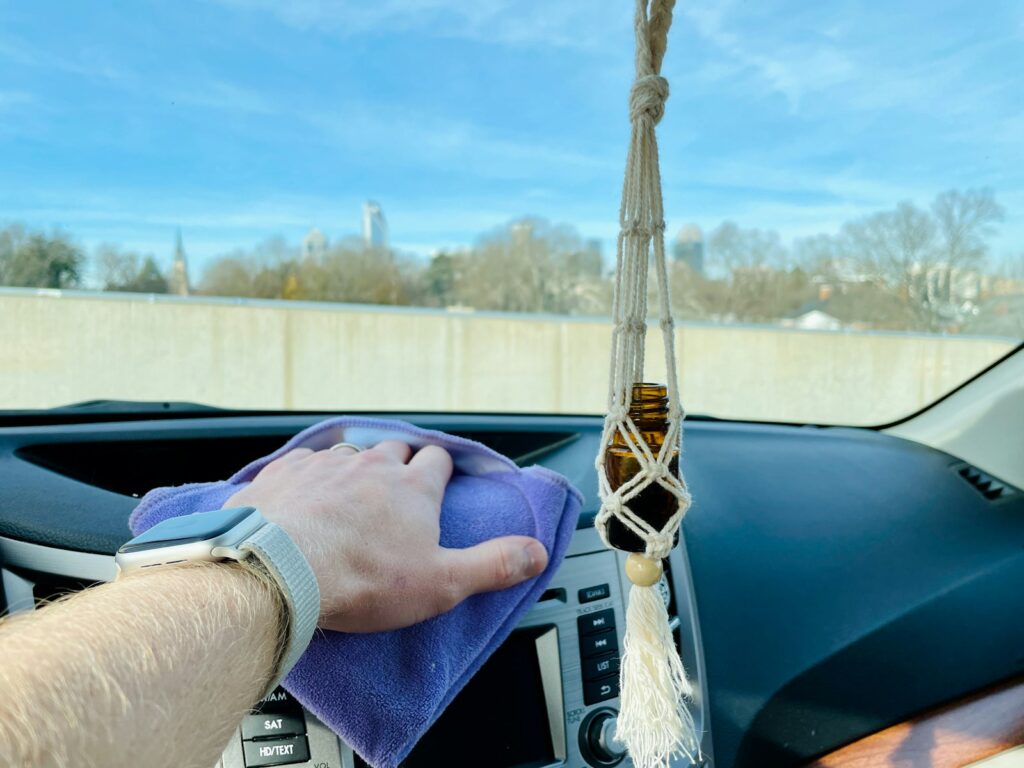
You don’t need a cabinet full of specialty products, but you do need the right kind. Look for a cleaner labeled specifically for automotive interiors—something pH-balanced and intended for plastic, vinyl, and coated surfaces. If you want simple, a lightly damp microfiber towel with water can handle a surprising amount of dust and light grime.
For deeper cleaning, use an interior cleaner sprayed onto a microfiber (not directly onto the dash), then wipe gently and follow with a dry towel. If you like a protected finish, choose a water-based protectant with a matte or satin look and UV protection. Your future self will appreciate the lack of glare and the fact that dust isn’t staging a takeover every other day.
A few easy rules that save dashboards (and sanity)
First: test anything new on a hidden spot—lower dash, inside edge, somewhere you won’t stare at daily. Second: avoid soaking the surface; dashboards have seams, vents, screens, sensors, and electronics nearby, and liquids love finding places they shouldn’t. Third: use clean microfiber towels, because an old one full of grit is basically sandpaper with a good PR team.
And finally, don’t confuse “shiny” with “clean.” Most modern interiors are designed to be low-gloss for a reason, and a natural-looking finish usually means you’re treating the materials gently. If your dashboard looks calm and matte and doesn’t feel sticky, you’re doing it right.
When damage is already done
If your dash is already sticky, patchy, or overly shiny in spots, don’t panic—just stop using the product that caused it. A dedicated interior cleaner can sometimes remove built-up silicone films, but it may take a few gentle passes over several cleanings. For severe tackiness or peeling soft-touch coatings, you may be looking at professional detailing, refinishing, or replacement, depending on the material.
The good news is most of this is preventable. A dashboard isn’t asking for much—just mild cleaner, soft towels, and fewer chemical experiments. Treat it like a nice pair of sunglasses: clean it carefully, keep it out of harsh stuff, and it’ll stay good-looking a lot longer.
More from Steel Horse Rides: