
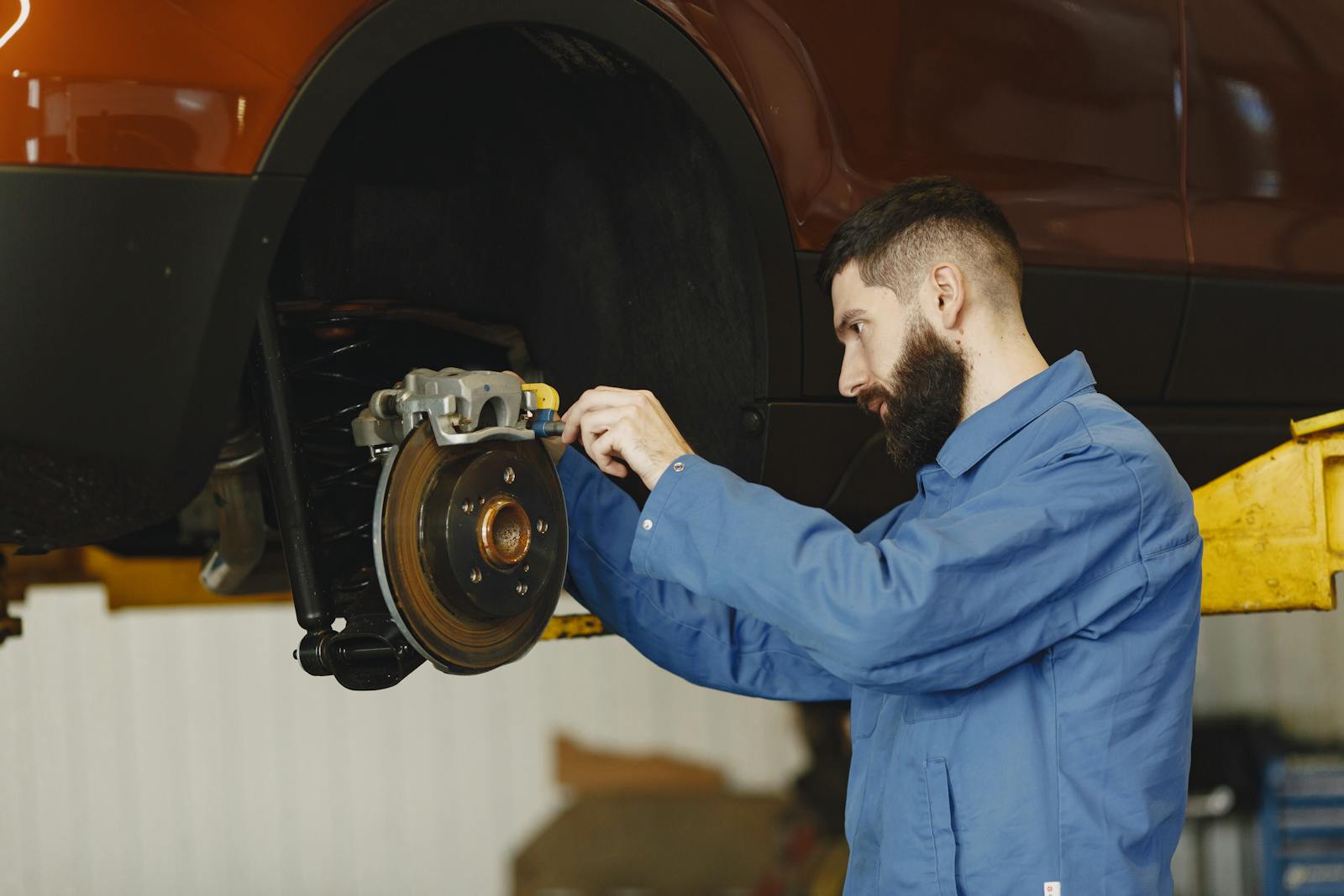

There are a lot of car parts you can cheap out on and survive with nothing more than mild regret. Floor mats? Sure. A phone mount that droops in the summer? Annoying, but you’ll live. Brake pads, though, are in the “please don’t” category—because when they’re bad, they don’t just inconvenience you, they change how your car stops.
Over the past few years, plenty of mechanics have noticed a pattern: certain bargain brake pads look fine on the shelf, install fine in the bay, then fall apart early or perform poorly when they heat up. And heat is the whole game with braking. Below are six types of “cheap” pads mechanics routinely warn drivers about—not because every single one is guaranteed to fail, but because the odds of problems are higher than most people realize.
1) No-name “white box” pads with mystery friction material
You’ve seen them: plain packaging, a brand name you’ve never heard of, and a price that makes you think, “How bad could it be?” The issue is you often don’t really know what compound you’re getting, or how consistent it is from one batch to the next. Mechanics complain these pads can feel grabby one week, then oddly numb the next—like the pedal and the pads are having a communication problem.
They also tend to be louder and dustier, and the wear rate can be all over the map. If a pad is too soft, it can disappear fast; too hard and it can chew up rotors. Either way, the “deal” doesn’t feel like a deal when you’re back in the shop early.
2) Ultra-cheap “ceramic” pads that aren’t truly ceramic
Ceramic pads have a nice reputation: low dust, quieter, smooth feel. So some budget brands slap “ceramic” on the box even when the formula is more of a hybrid that doesn’t behave like a quality ceramic at all. Mechanics say these often glaze over under heat, which can make stopping distances creep up—especially after a few hard stops.
You’ll also hear complaints about a slick, glassy layer forming on the pad face, and then you get that classic “why does it feel like my brakes are on ice?” moment. Real ceramics aren’t magic, but the good ones are engineered for predictable behavior. The fake-it-’til-you-make-it ceramics? Not so much.
3) Super-hard semi-metallic pads that eat rotors for breakfast
Semi-metallic pads can be great, especially for heavier vehicles and towing. The bargain-bin versions, though, can be overly aggressive—meaning they stop “okay,” but at the cost of rotor life and noise. Mechanics see rotors coming off with deep scoring, hot spots, or that lovely blue-ish heat tint that says, “This thing has been through it.”
If you’re buying pads because you want to save money, replacing rotors sooner is kind of the opposite of the plan. And once a rotor surface gets chewed up, you can also get vibration and pulsing, which then leads drivers to think something else is wrong. It’s a domino effect that starts with a too-hard pad.
4) Pads with weak bonding (friction material separating from the backing plate)
This one is the scariest because it can go from “seems fine” to “what is that noise?” surprisingly fast. Mechanics occasionally see cheap pads where the friction material isn’t properly bonded or riveted to the steel backing plate. Under repeated heat cycles—stop, heat up, cool down, repeat—the material can crack, crumble, or even start to separate.
At best, you’ll get clunks, grinding, and shredded rotors. At worst, you can lose a big chunk of braking surface when you need it most. Quality pads put real engineering into bonding and heat tolerance, because brakes live a rough life.
5) Pads that skip the basics: no shims, cheap shims, or poor hardware
Sometimes the pad material isn’t the only problem. A lot of low-cost sets cut corners on shims and hardware—those thin layers and clips that help reduce noise and keep everything moving smoothly. Mechanics will tell you: the pad can be “fine,” but if the shims are flimsy or the hardware doesn’t fit right, you’re basically inviting squeals, rattles, and uneven wear.
And if the pads don’t slide freely in the bracket because the clips are junk, you can end up with dragging brakes. That means extra heat, worse fuel economy, and accelerated wear. It’s like wearing a decent shoe with a pebble stuck in it—eventually you’re going to hate your life.
6) Counterfeit pads and “too-good-to-be-true” marketplace deals
If you’ve ever spotted a “premium” brand pad online for half of what every reputable parts store charges, that’s your cue to be suspicious. Mechanics are seeing more counterfeit and repackaged brake parts floating around online marketplaces. The box might look legit, the part number might match, but the compound and build quality can be wildly different.
These are the pads that show up with sloppy paint, rough edges, inconsistent thickness, or a chemical smell that makes you wonder what you’re inhaling. The performance issues can include fading quickly, squealing, or just not feeling right—because they’re not built to the spec you thought you were paying for.
What mechanics say to look for instead (without going broke)
You don’t need to buy the most expensive pads on the planet to get safe, consistent stopping. What you want is predictable performance, good heat management, and solid quality control. That usually comes from well-known manufacturers and reputable parts suppliers—not necessarily fancy, but proven.
Mechanics also point out that “best” depends on the car and how you drive. City commuting with lots of stop-and-go? You’ll want low noise and good bite when cold. Mountain driving, towing, or lots of highway braking? Heat tolerance matters more than dust levels.
Quick signs your bargain pads are already letting you down
If your brakes suddenly get loud, start vibrating, or the pedal feel changes after a few weeks, don’t ignore it. A little squeak now and then can happen with any pad, but persistent squealing, grinding, or a steering wheel shimmy during braking is your car waving a red flag. Another big clue is brake fade: they feel fine at first, then weaker after a couple of harder stops.
Also keep an eye on dust and wheel grime. Some dust is normal, but if your front wheels turn charcoal-black in no time, that can signal a pad that’s wearing too fast or running too hot. And if one wheel is way dirtier than the others, you might have uneven wear or a dragging caliper—either way, it’s worth a quick inspection.
The bottom line
Cheap brake pads aren’t automatically unsafe, but the cheapest options are where mechanics see the most comebacks, noise complaints, rotor damage, and heat-related performance issues. Brakes are one of those systems where “good enough” should still be genuinely good. If you’re trying to save money, it’s usually smarter to buy a solid mid-range pad from a trusted source than gamble on the lowest price and hope physics takes the day off.
More from Steel Horse Rides: