
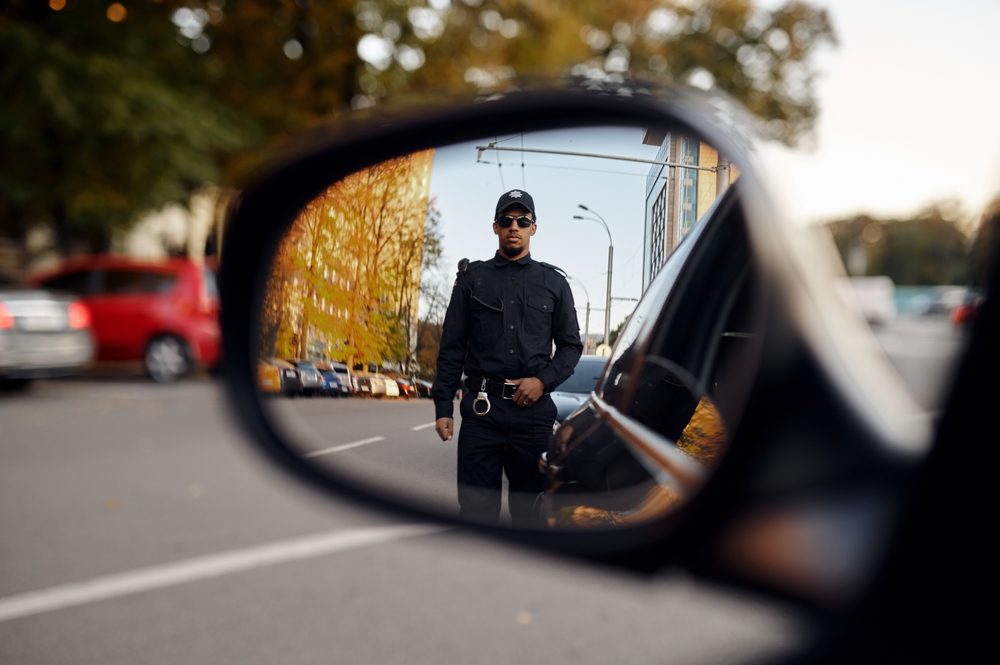

A traffic stop is one of those weird little moments where time slows down. You’re suddenly hyperaware of your hands, your turn signal, and that mysterious rattle in the glove box you’ve ignored for two years. Meanwhile, the officer walking up to your window is doing a quick, professional scan — not to be dramatic, but to keep everyone safe and figure out what’s going on fast.
Most stops are routine, and most officers aren’t looking for a “gotcha.” They’re looking for cues: Are you calm? Are you impaired? Is there a safety risk? Here are seven things they tend to notice almost immediately — and how you can make the whole interaction smoother.
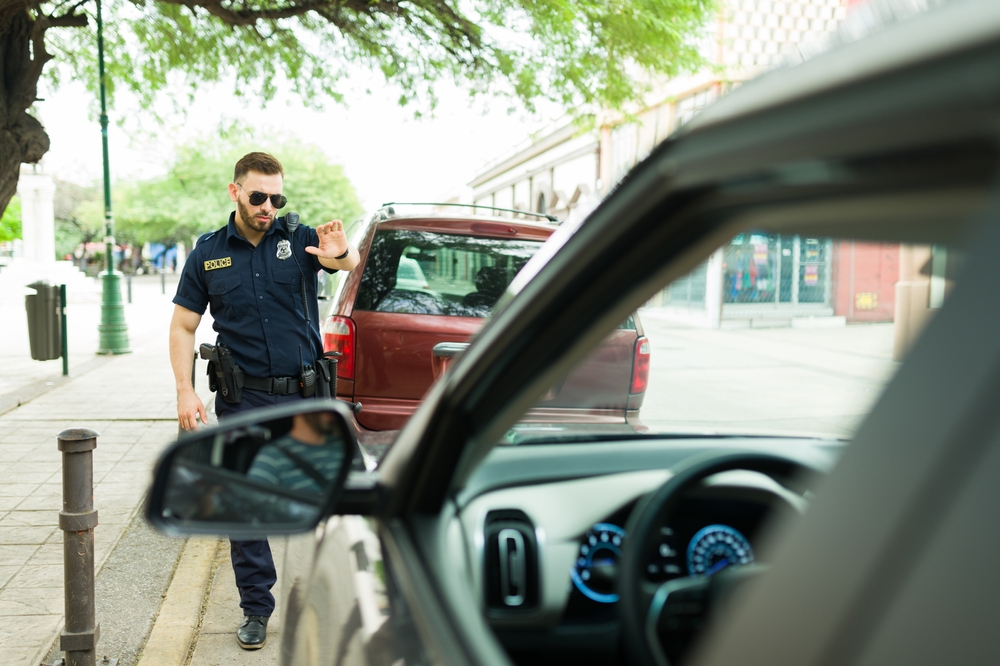
1) How you pull over (and how long it takes)
Before the officer even steps out of their car, they’re watching how you respond to the lights. Do you signal and move to a safe spot? Do you keep driving for a long stretch, stop in a sketchy location, or brake suddenly like you’re trying to beat a video game timer?
A calm, predictable pull-over tells them you’re attentive and cooperative. If it’s dark or the shoulder is narrow, it’s usually fine to slow down, signal, and pull into a well-lit parking lot nearby — just make it obvious that you’re complying. The key is clear intent, not perfection.
2) Your hands — where they are and what they’re doing
Officers are trained to watch hands first. Hands can reach, hide, toss, text, grab paperwork, or do nothing at all — and those differences matter when someone’s trying to assess risk in seconds.
The simplest move: keep your hands visible, ideally on the steering wheel, until you’re asked for documents. If you need to reach into a glove compartment or bag, say so first (“My registration’s in the glove box—okay if I grab it?”). It sounds small, but it prevents the kind of misunderstanding nobody wants.
3) Movement inside the car (especially “mystery shuffling”)
Even if your intentions are totally innocent, frantic movement reads as suspicious. Officers notice if you’re leaning, digging under seats, passing items to passengers, or doing the classic “I swear I’m not hiding something” shoulder dip.
Sometimes people are just searching for their insurance card that vanished into another dimension. Still, it’s better to wait until the officer is at the window and then explain what you’re reaching for. Calm and narrating your actions beats panicked rummaging every time.
4) Your demeanor: calm, hostile, chatty, or unusually nervous
Everyone’s a little nervous during a traffic stop, and officers know that. What stands out is the level and type of nervousness — shaking hands, rapid speech, extreme defensiveness, or the opposite: oddly flat, detached behavior.
They’re also clocking how you speak to them. You don’t have to be bubbly, but basic politeness goes a long way, and sarcasm almost never helps (even if you’re very funny). If you’re anxious, it’s okay to say it plainly: “I’m a bit nervous — I haven’t been pulled over in years.” That’s human, and it can lower the temperature for everyone.
5) Signs of impairment — and they’re not just looking for alcohol
This is a big one, and it starts the moment they make contact. They’re noticing your eyes, speech, coordination, reaction time, and whether you seem confused about basic questions. They’re also paying attention to smells, but smell alone isn’t the whole story.
Impairment can come from alcohol, cannabis, prescription meds, lack of sleep, or other substances. Even something like fumbling with a seatbelt, missing simple instructions, or drifting attention can raise concern. If you’re exhausted or on a medication that makes you groggy, it’s a good reminder to be extra cautious before you drive — because an officer will notice the signs faster than you think.
6) The condition of the car (and the “paperwork vibe”)
They’re not judging your messy backseat full of reusable bags and a lonely french fry (okay, maybe a little). But they do notice things that suggest neglect or risk: broken lights, cracked windshield, missing plates, expired tags, or a car that looks like it’s been in a minor feud with a guardrail.
They also notice how prepared you seem. If you can calmly produce your license, registration, and insurance — without dumping an entire filing cabinet onto your lap — it makes the stop smoother. Pro tip: keep documents in the same place every time so you’re not doing a scavenger hunt under pressure.
7) Your passengers and what’s happening in the “background”
The driver is the focus, but officers are absolutely aware of everyone in the vehicle. They’re scanning passengers’ movements, whether someone seems agitated, and whether the energy in the car feels tense or chaotic. If there’s loud arguing, sudden whispering, or a passenger who won’t stop popping up to “help,” that registers.
If you’ve got passengers, the best thing is for everyone to stay seated, keep hands visible, and let the driver handle the conversation unless the officer addresses someone else. It’s not about being stiff — it’s about keeping the scene predictable. Predictable is safe, and safe is fast.
A quick note on making stops easier (for you and them)
If you want the smoothest possible stop, think “clear, calm, visible.” Signal, pull over safely, keep your hands where they can be seen, and communicate before you reach for anything. Turn down the music, crack the window, and at night, turning on the interior light can help reduce tension.
Most traffic stops end with a warning or a ticket and everyone going on with their day. The officer’s quick observations aren’t personal — they’re a safety checklist and a decision-making tool. And if you treat it like a brief, slightly awkward customer-service interaction instead of a showdown, it usually stays exactly that: brief and slightly awkward.
More from Steel Horse Rides: