
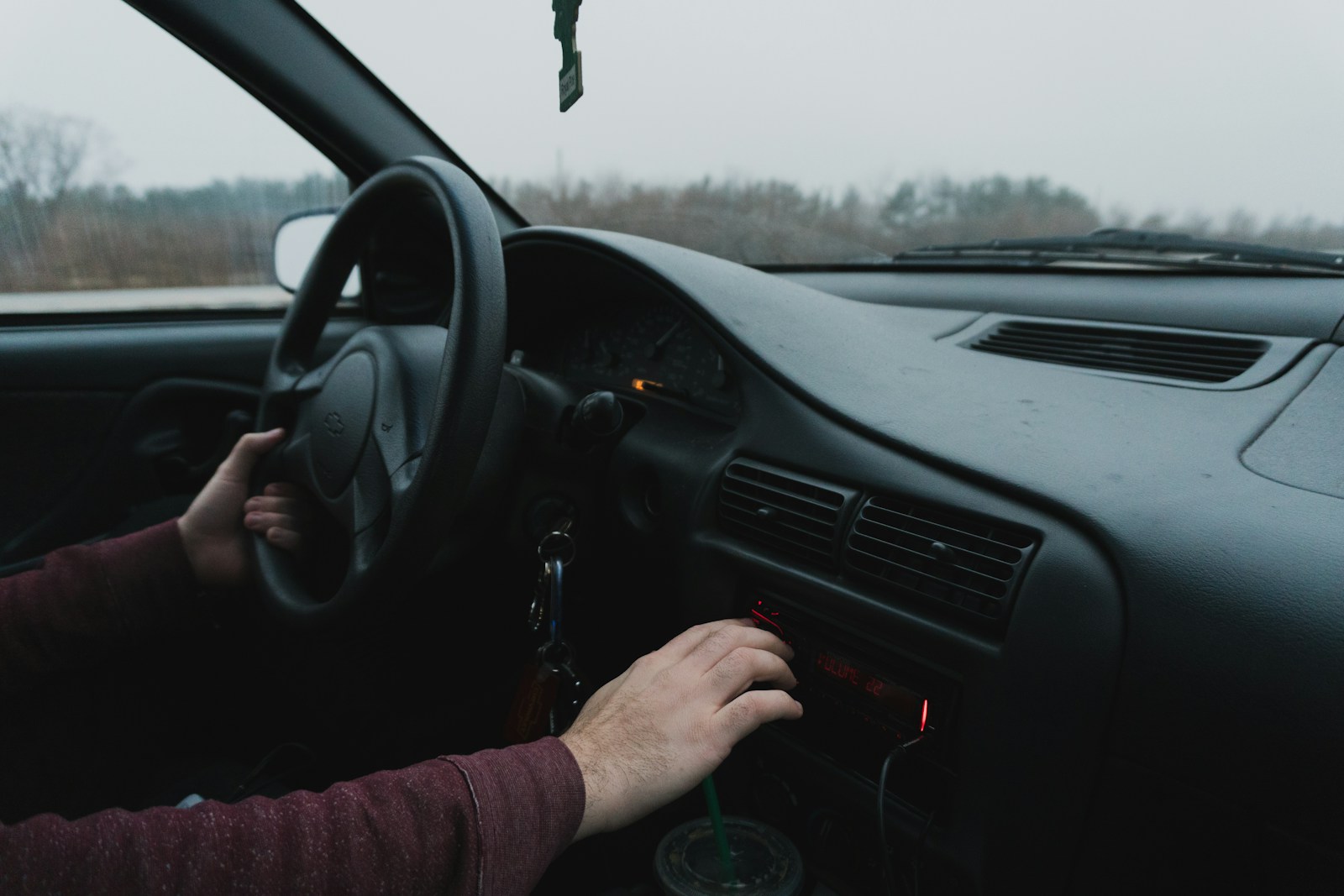

You know that moment: you’re driving along, minding your business, maybe feeling a little proud you left the house on time… and suddenly, flashing lights. Your brain does a quick scan—Was I speeding? Did I run something? Is my car on fire?—and somehow you still come up blank. It happens more often than people admit, and the reasons are usually painfully ordinary.
Most traffic stops aren’t dramatic chases or major violations. They’re often about small things—equipment, visibility, signals, or patterns that catch an officer’s eye. Here are five common “wait, really?” reasons drivers get pulled over without realizing they did anything wrong.
1) Your lights are doing the wrong thing (or nothing at all)
Headlights seem straightforward until they aren’t. A lot of drivers don’t realize their “daytime running lights” aren’t the same as full headlights—meaning your taillights might not be on at all. From behind, your car can look like a moving shadow, especially at dusk, in rain, or in tunnels.
Then there’s the classic: a brake light is out and you genuinely had no clue. You can drive for weeks without noticing because everything looks fine from the driver’s seat. A quick walk-around once in a while (or having someone hit the brakes while you look) can save you that awkward roadside conversation.
2) You “technically” didn’t stop—especially at stop signs
The rolling stop is basically America’s unofficial driving tradition. You slow down, you look, you continue—feels safe, feels normal, feels like you stopped enough. But legally, “enough” usually means a full, complete stop where the wheels actually stop moving.
It gets trickier when the stop line is set way back or hidden under grime, so you stop in the wrong spot and then creep forward. To you, that’s cautious. To an officer watching the intersection, it can look like you blew the sign and remembered at the last second.
3) Your turn signals are confusing, late, or missing
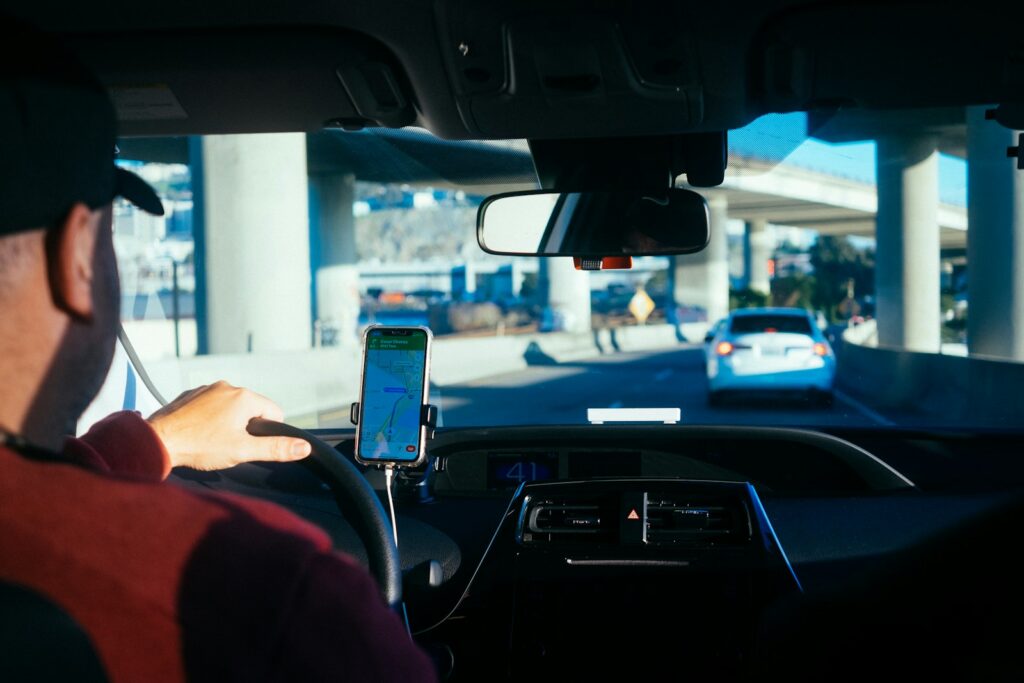
A lot of people don’t forget to signal because they’re trying to be rebellious. They forget because they’re busy—traffic is weird, GPS is yelling, someone’s merging, and the turn is sudden. But an officer doesn’t know you’re mentally juggling three lanes and an exit you didn’t expect; they just see a lane change without warning.
“Late signals” also get attention. If your blinker comes on halfway through the turn, it’s kind of like announcing you’re throwing a surprise party after everyone’s already in your living room. Bonus trap: a fast-blinking turn signal can mean a bulb is out, and that can be enough for a stop even if you’re otherwise driving perfectly.
4) Your registration, plate, or inspection situation is… not great
One of the most common “I didn’t even know” reasons for a stop is something paperwork-related. Expired registration stickers, missing inspection decals (where required), or a plate that’s hard to read can draw attention quickly. Sometimes it’s not even expired—it’s just placed wrong, peeling, or obscured by a tinted cover or a dirty plate.
Even those plate frames from dealerships or sports teams can cause issues if they cover the state name or registration details. It feels silly because it is a little silly, but plates are how cars get identified, so visibility is a big deal. If your plate is grimy from winter roads, a two-minute wipe-down can prevent a longer-than-two-minute stop.
5) Your driving looks “off,” even if you’re not breaking a big rule
This is the one people hate, because it feels vague—and honestly, it can be. Officers are trained to notice driving patterns that suggest distraction, impairment, or fatigue: drifting within your lane, inconsistent speed, braking for no obvious reason, or taking turns unusually wide. You might just be tired, trying to open a stubborn water bottle, or arguing with your podcast host like it’s a live debate.
Even perfectly innocent behavior can look suspicious from a distance. If you’re creeping under the speed limit in the left lane, or you’re accelerating and slowing in a way that doesn’t match traffic, you stand out. The secret sauce of avoiding attention on the road is boring consistency—predictable speed, smooth lane position, and signals that communicate what you’re doing before you do it.
A quick reality check: “Pulled over” doesn’t always mean “in trouble”
It’s easy to take a traffic stop personally, like you’ve been singled out for no reason. But plenty of stops are simply to address a fixable issue—like a light out—or to check on a situation that looked risky. You might still get a ticket, sure, but a lot of the time it’s a warning and a reminder that your car is basically a rolling collection of small legal requirements.
If you’re ever genuinely confused, it’s okay to politely ask what prompted the stop. Most officers will tell you, and it can be useful information you wouldn’t have noticed otherwise. (Like that taillight that only works on Tuesdays, apparently.)
Small habits that prevent big surprises
If you want to reduce the odds of getting pulled over for something you didn’t realize, think “quick checks” rather than “major lifestyle change.” Make sure your headlights are actually on when conditions get dim, not just your dashboard lights. Glance at your registration and inspection dates once a month—set a calendar reminder if you’re the kind of person who also loses scissors in the same drawer every time.
And when you’re driving, aim for clear, predictable moves: full stops, early signals, steady speed. It doesn’t make you boring—it makes you legible, and that’s what keeps everyone calmer on the road. Including you, especially when the only flashing lights you want to see are holiday decorations.
More from Steel Horse Rides: