
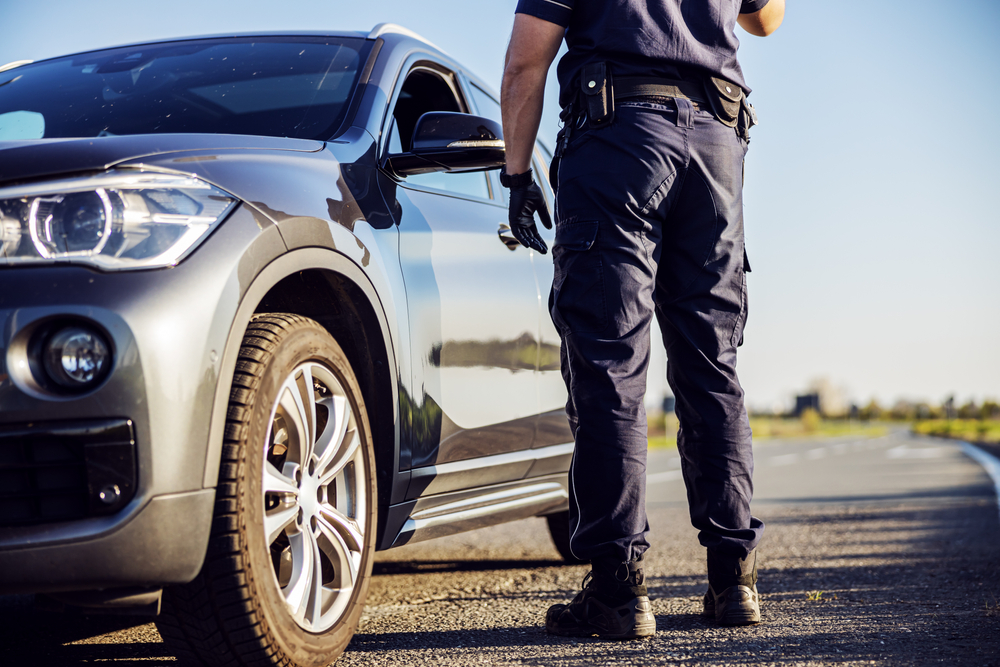

Most traffic stops don’t start with a dramatic chase scene or a blaring siren. They start with a small “huh, that’s interesting” moment from an officer watching the flow of cars go by. And while some stops are purely about speed or a broken taillight, plenty begin because a driver is doing something that just doesn’t match the rhythm of the road.
To be clear, none of these behaviors automatically mean you’re doing something wrong. But they can nudge an officer’s attention your way—especially if a couple of them stack up at once. Think of it like wearing a bright neon jacket to a stealth contest: you’re not guilty, you’re just… noticeable.
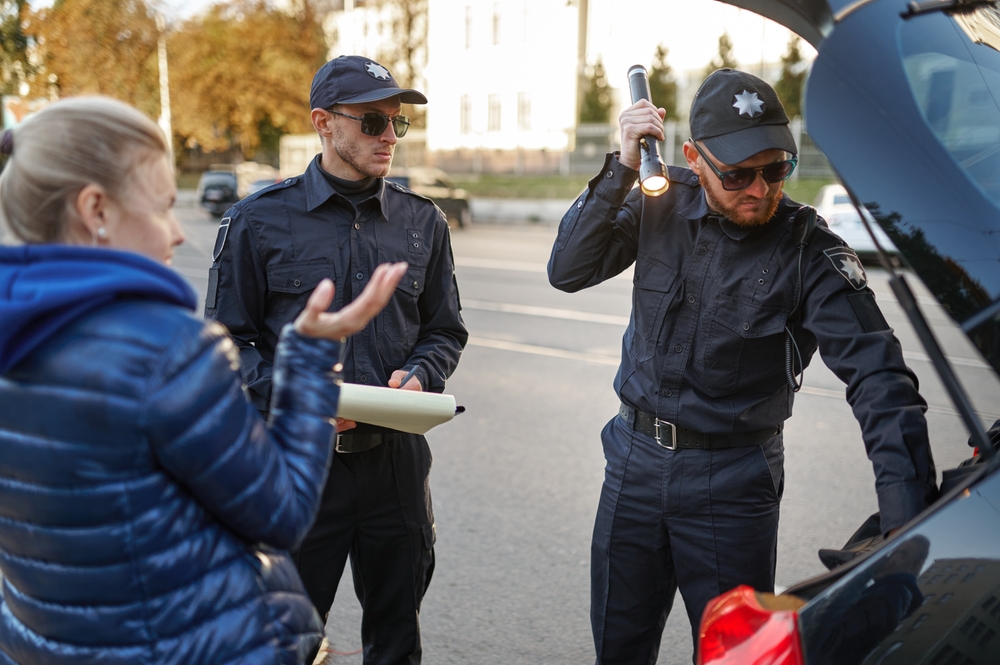
1) Driving like you’re either late for a wedding or terrified of the gas pedal
Big speed changes are one of the quickest ways to stand out. If you’re weaving between lanes, accelerating hard, tailgating, or braking abruptly, you’re broadcasting risk—and officers are trained to pay attention to risk. On the flip side, creeping along well below the flow of traffic can also raise eyebrows, because it can look like impairment, distraction, or a mechanical issue.
The sweet spot is boring (which is the whole point): keep pace with traffic, leave space, and make smooth moves. You don’t need to drive like a saint—just avoid looking unpredictable.
2) “Nervous driving” the moment you notice a patrol car
Almost everyone has that tiny spike of adrenaline when they spot a police car. The problem is what happens next: suddenly tapping the brakes, gripping the wheel like it’s a stress ball, drifting under the limit, or making a panicked lane change to “get away.” Ironically, that behavior can draw more attention than whatever you were doing before.
Officers know people get nervous, but they also know nervous drivers sometimes have a reason. The best move is the simplest one—keep driving normally, signal like you mean it, and don’t do anything sudden.
3) Rolling stop signs and “creative” right turns on red
That slow glide through a stop sign—where the wheels never fully stop—might feel harmless, but it’s one of the easiest violations to spot. Same goes for treating a right turn on red like a casual suggestion instead of an actual stop-and-check moment. These are the kinds of infractions that can turn into a quick stop because they’re clear, common, and tied to safety.
If you want to reduce your chances of getting pulled over, this is low-hanging fruit. A full stop is boring, yes, but it also makes you instantly less interesting.
4) Lane drifting, late signals, and the “phone shoulder shrug”
Drifting within your lane, touching lane markers, signaling at the last second, or doing that little wobble people do while checking a phone—these all read as distracted or impaired driving. Officers don’t have to see the phone to suspect it; the car’s movement tells the story. And in a world where distracted driving is a major cause of crashes, they’re watching for it.
If you need to handle something—directions, a text, a coffee catastrophe—pull over somewhere safe. The road will still be there when you’re done being human.
5) Equipment issues that scream “pull me over” (even if you didn’t know)
Burned-out headlights, missing brake lights, an expired registration sticker, or a cracked windshield can all attract attention. Sometimes it’s because the issue itself is a safety problem. Sometimes it’s because equipment violations are straightforward and give an officer a reason to stop a car that already looks a little off for other reasons.
The annoying part is that you might not even realize something’s wrong. A quick walk-around every so often—especially before a road trip—can save you from the “did you know your left brake light is out?” conversation.
6) Odd timing and awkward positioning on the road
Where and when you’re driving can change how your behavior is interpreted. Driving very late at night, circling the same block, lingering near closed businesses, or repeatedly pulling into and out of parking lots can look suspicious even if you’re just lost or waiting to pick someone up. Add a few unusual turns or sudden stops, and you’ve got a pattern an officer may want to check out.
This doesn’t mean “don’t be out at night.” It just means that if you’re doing something unusual, try to do it in a way that looks normal—like pulling into a well-lit lot and actually parking instead of creeping around.
7) Visible “chaos cues” inside the car
Officers can sometimes see more than you’d think through your windows—especially in daylight or under bright streetlights. Open containers, the unmistakable glow of a phone in your lap, not wearing a seatbelt, or passengers acting wild can all prompt a closer look. Even things like a dangling air freshener that obstructs the view can be a technical violation in some places.
No, you don’t need to keep your car looking like a minimalist showroom. But if your front seat looks like a yard sale and you’re driving one-handed while the other hand negotiates with a burrito, you’re not exactly blending in.
So what should you do if you’re trying not to get noticed?
The oddly effective answer is: be predictably dull. Use signals early, keep your speed steady, and drive like you assume other people might do something weird at any moment. When you see a police car, resist the urge to “act innocent” by overcorrecting—just act normal.
And if you do get pulled over, your best tools are calm, patience, and basic courtesy. Find a safe spot, keep your hands visible, and follow instructions without making it a debate club meeting on the shoulder. Most of the time, the whole thing goes smoother when everyone treats it like what it usually is: a quick check, not a personal scandal.
More from Steel Horse Rides: