
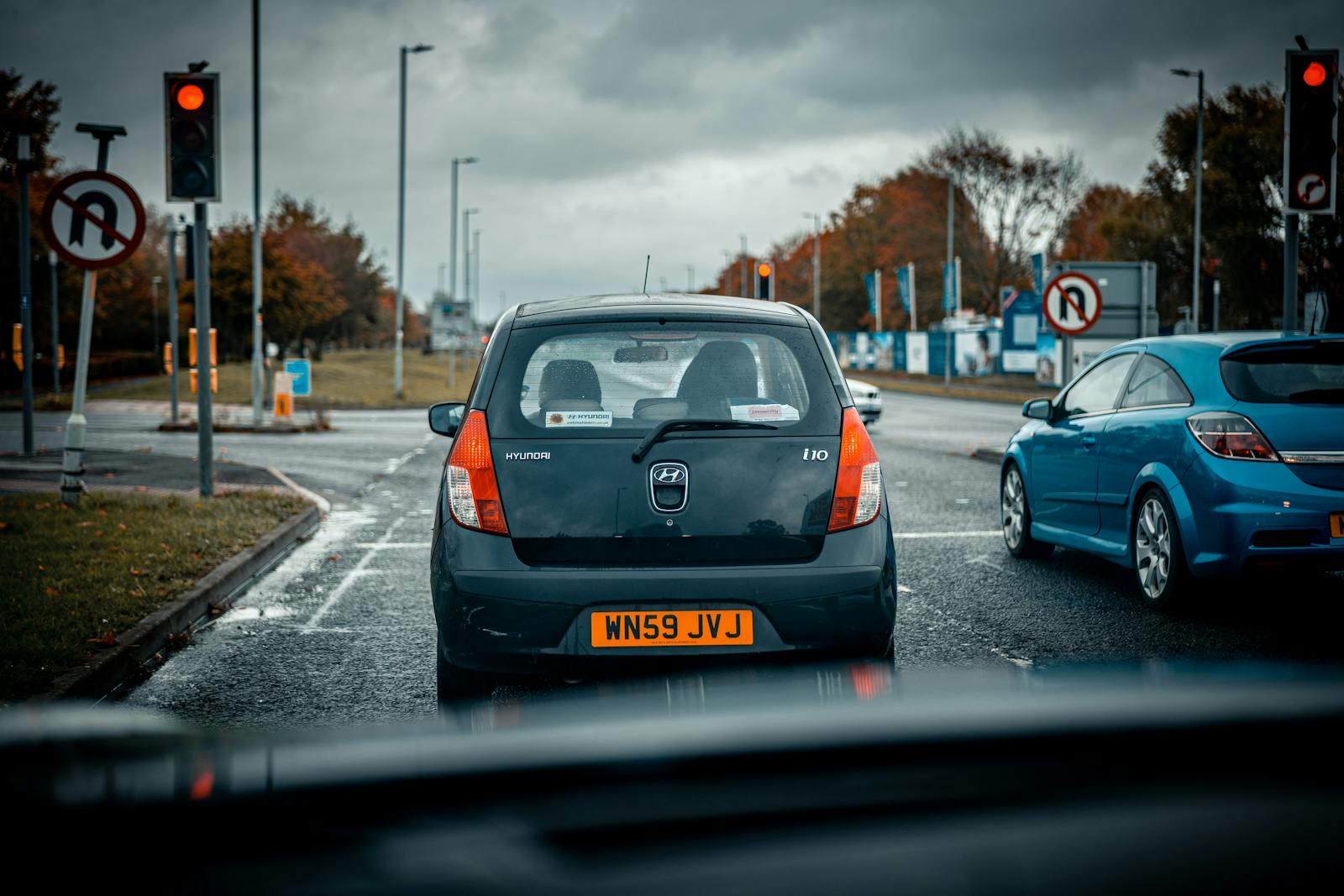

A traffic stop usually starts with something small: a rolling stop, a taillight out, maybe you drifted a little over the limit. But what many drivers don’t realize is how quickly “small” can snowball into extra tickets—or even criminal charges—based on what happens in the next five minutes. Sometimes it’s bad luck, sometimes it’s misunderstandings, and sometimes it’s choices we make while our brain is running on pure adrenaline.
Here are six common things that can turn a routine stop into a much bigger (and more expensive) headache. Laws vary by state and country, but these patterns show up almost everywhere.

1) Not having your license, registration, or insurance ready (or having the wrong ones)
This one sounds boring, but it’s a classic. If you can’t produce a valid driver’s license, current registration, or proof of insurance, you may be looking at additional citations—sometimes separate ones for each missing item. Even if you’re fully insured, “I have it on my phone” doesn’t always help if your phone is dead, you can’t log in, or the officer can’t accept digital proof in your area.
Expired documents can also trigger extra problems. An expired registration can lead to a ticket; a suspended or expired license can escalate much faster, sometimes into an arrest depending on the situation. Keeping those documents current and easy to reach (not buried under a mountain of napkins) is the cheapest “life hack” on the road.
2) Having a suspended license—or not knowing it’s suspended
People are often genuinely shocked to learn their license is suspended. It can happen over unpaid tickets, missed court dates, insurance lapses, or certain administrative issues. But “I didn’t know” usually doesn’t stop the charge, and driving on a suspended license can be treated as a serious offense in many places.
If an officer runs your information and sees a suspension, the traffic stop can shift instantly. You might get additional citations, your car could be impounded, and you may be required to appear in court. If you’ve had any mail from the DMV that you’ve been avoiding like it’s a cursed object, it’s worth checking your license status before it checks you.
3) Speeding in a “special” zone: school zones, work zones, and construction areas
Speeding is one thing; speeding in a school zone or work zone is often another category entirely. Many states tack on enhanced fines or mandatory court appearances in these areas, and some treat it as an aggravated offense if workers are present. It’s the same mile-per-hour, but it’s not the same legal risk.
Work zones can be especially tricky because signage changes, lanes shift, and it’s easy to miss a reduced speed limit while trying not to clip an orange cone. Still, those areas are heavily enforced for a reason, and the penalties can sting. If you see flashing lights or “double fines” signs, it’s not decoration—your wallet will feel it.
4) Trying to “fix” the situation by giving false information
When people panic, they sometimes do something that feels like it might help in the moment—like lying about their name, giving a fake birthdate, or saying they don’t have ID when they do. The problem is that what began as a traffic ticket can become a much more serious charge if you’re accused of providing false information to law enforcement. That’s the kind of decision that follows you longer than a speeding citation.
Even smaller untruths can backfire, like claiming you have insurance when you don’t, or insisting you weren’t driving when the officer watched you step out of the driver’s seat. If you’re nervous, it’s usually better to keep things simple and factual. You’re allowed to be quiet; you’re not helped by being creative.
5) Turning the stop into an “obstruction” or “resisting” situation
No one likes being pulled over, and it’s easy to feel like you’re being treated unfairly. But arguing, refusing basic instructions, or escalating the tension can lead to additional charges in some jurisdictions—things like obstruction, resisting, or failure to comply. Those labels can mean bigger fines, court dates, or worse outcomes than the original reason for the stop.
This doesn’t mean you have to agree with everything or give up your rights. It just means the roadside isn’t the best place to litigate the issue. If you think the stop is wrong, the calm, boring approach—comply with safety instructions, document what you can, and challenge it later through the proper process—tends to protect you better than an on-the-spot showdown.
6) Having contraband in the car (including open containers or certain “legal” items)
Sometimes the extra charges have nothing to do with driving and everything to do with what’s in the vehicle. Open container laws can apply even if you haven’t been drinking, depending on where the alcohol is and who can reach it. And if an officer finds illegal drugs, unpermitted firearms, or other prohibited items, the traffic stop can quickly become a criminal investigation.
Even “mostly legal” things can cause trouble. For example, marijuana rules vary widely, and an amount that’s legal in one place might be illegal in the next county—or illegal if it’s not stored properly. The same goes for firearms: legal ownership doesn’t always equal legal transport. It’s not the fun kind of surprise.
A quick note on staying out of the “extra charges” zone
The best traffic stops are forgettable ones. Keep your documents current and accessible, use your signals, slow down in special zones, and don’t treat a routine stop like a reality show audition. If you’re anxious, take a breath, keep your hands visible, and communicate calmly—most officers are also trying to keep things predictable and safe.
And if something does go sideways—your license shows suspended, you’re cited for something you don’t understand, or the stop turns into a bigger accusation—consider talking to a qualified attorney in your area. It’s not about being dramatic; it’s about not letting a five-minute stop become a months-long mess.
More from Steel Horse Rides: