
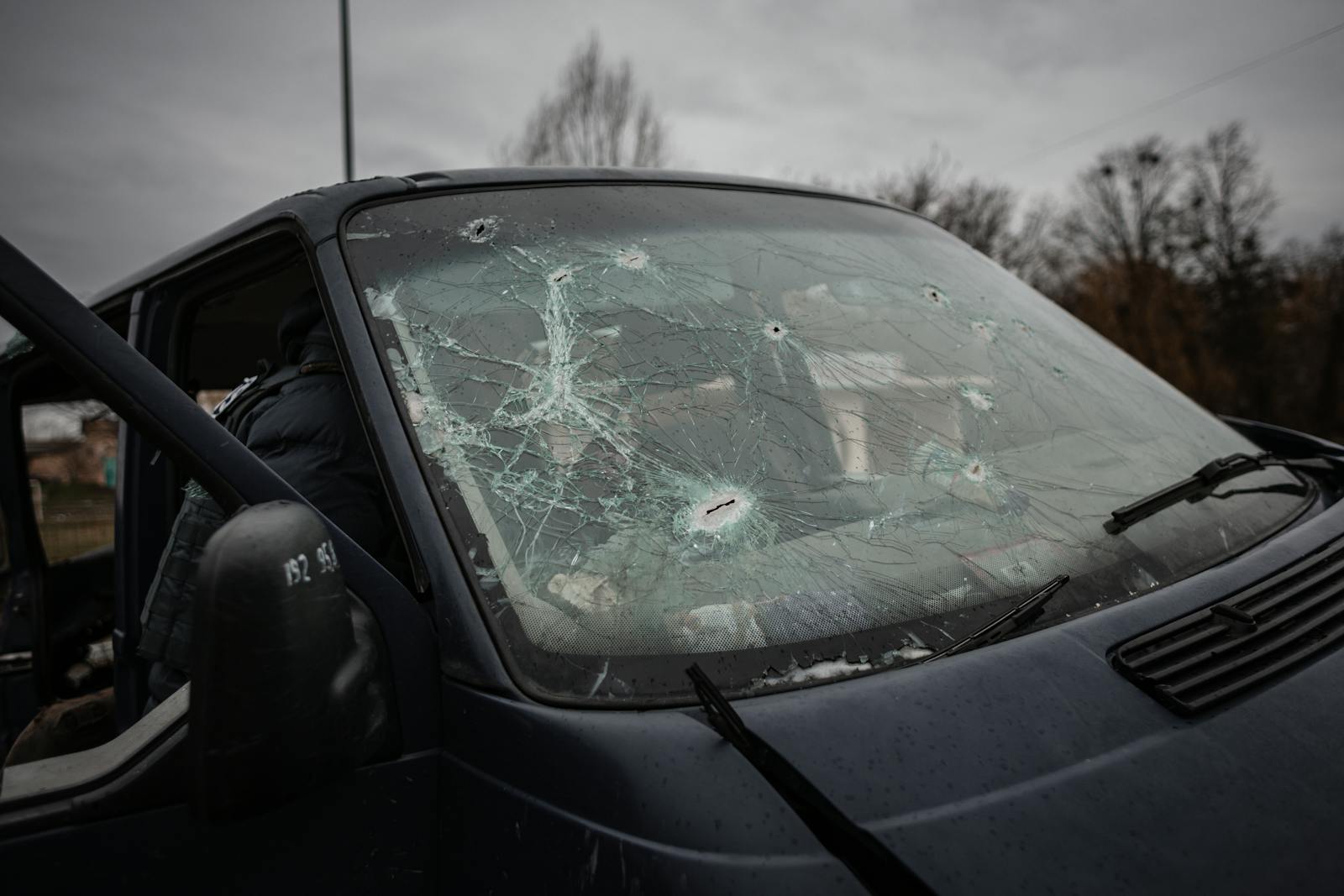

You can be driving perfectly—hands at 10 and 2, speed right on the limit—and still end up with flashing lights behind you. Sometimes it’s not your driving at all. It’s your car quietly broadcasting “Hey officer, come take a look.”
A lot of traffic stops start with equipment issues: lights, plates, windows, noise. And while the exact rules vary by state, these are the usual suspects that can catch an officer’s eye fast—especially at night or in bad weather.
1) A headlight (or taillight) that’s out
This one is the classic. A single dead headlight or taillight is an easy reason for a stop because it’s a clear safety issue—and it’s easy to spot from a distance. You might not notice it from the driver’s seat, but everyone behind you definitely can.
Even worse? A brake light that’s out. If the car behind you can’t tell when you’re slowing down, things can get spicy in a hurry, and cops know it.
2) Brake lights or turn signals that don’t work (or work “weird”)
Turn signals are basically your car’s way of saying “I’m about to do something, don’t panic.” If one is dead, blinking too fast, or not blinking at all, it’s an instant attention-grabber. That rapid “hyperflash” usually means a bulb is out, and it’s visible from across a parking lot.
Also: hazards accidentally left on, a turn signal stuck on for miles, or aftermarket LEDs that are too bright or the wrong color can all invite a stop. It’s not always about being “broken”—sometimes it’s about being non-compliant or confusing to other drivers.
3) No license plate, the wrong plate, or a plate nobody can read
If your plate is missing, expired, dangling, bent, or covered up by a tinted shield, that’s basically an engraved invitation. Officers use plates to verify registration, insurance status (in some places), and whether a vehicle is stolen. If they can’t read it quickly, they may stop you simply to figure out what’s going on.
Common “oops” moments include temporary tags that are taped inside a tinted rear window, plates blocked by a bike rack or trailer hitch accessory, or a frame that covers the state name or registration sticker. Even a plate light that’s out at night can be enough to get you noticed.
4) Window tint that’s too dark
Window tint laws are famously inconsistent. What’s legal in one state can be a ticket (or at least a stop) in the next. And because tint is visible from the outside, it’s one of those things an officer can spot without any fancy equipment.
If your front windows are very dark, if your windshield has tint below the allowed line, or if you’ve got reflective “mirror” tint, expect curiosity from law enforcement. Tint can be a comfort and style upgrade, but it’s also one of the quickest ways to turn “totally normal commute” into “quick chat on the shoulder.”
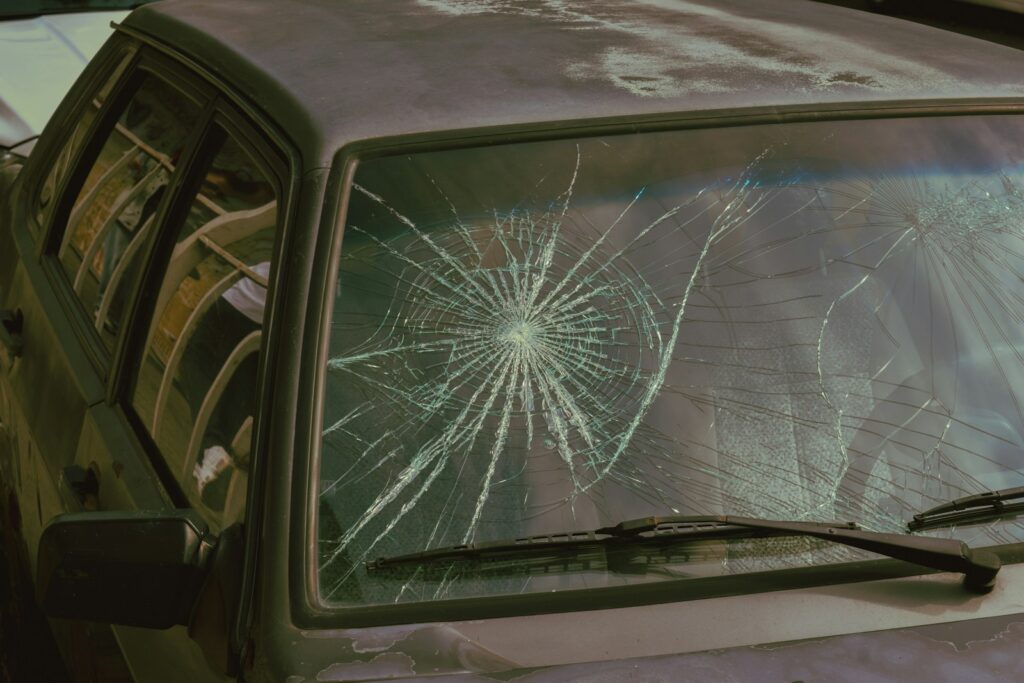
5) A cracked windshield that blocks your view
Not every crack is a big deal, but the location and size matter. A long crack running across the driver’s line of sight, a spiderweb near the center, or damage that affects the integrity of the glass can be considered unsafe. In many states, that’s enough for a stop, especially if it looks like it could shatter.
Here’s the annoying part: you might get used to the crack and forget it’s there. But a new pair of eyes—especially an officer sitting higher in an SUV—can see it clearly, and they may pull you over to address a safety hazard.
6) Loud exhaust, missing muffler, or “backfire” pops that sound like fireworks
Some cars are loud from the factory, and some cars are loud because someone made… choices. If your exhaust is roaring, rattling, dragging, or clearly modified beyond what’s allowed locally, it can trigger a stop. Noise ordinances and vehicle equipment laws don’t always get a lot of attention—until your car sounds like it’s auditioning for a race track.
And those aggressive pops and bangs? In some areas, they’re treated as a noise issue. In others, they can raise bigger concerns because they can resemble gunshots, especially at night. Even if you think it’s “cool,” your neighbors (and the police) may not share the vision.
7) Anything dangling, dragging, or falling off (yes, really)
If part of your car is flapping in the wind—bumper cover hanging loose, undertray scraping, a loose mud flap smacking the pavement—it’s an immediate “that’s not safe” signal. Same goes for loads that aren’t secured: a mattress half-tied with twine, lumber sliding around, or a trailer with sketchy lights and chains.
Officers can and do stop vehicles for equipment that could break off and become road debris. It’s not personal; it’s basic damage control. Nobody wants to be the reason the car behind you eats a chunk of your bumper at 60 mph.
A quick way to avoid most of these stops
Once a month, do a two-minute walk-around. Check headlights, brake lights, turn signals, and the plate light (yes, that little one). If you’ve got a friend or neighbor nearby, have them stand behind the car while you test brakes and signals—bribe them with coffee if necessary.
If you’ve recently bought a used car or made mods (tint, exhaust, lights), look up your state’s vehicle code or ask a reputable shop what’s actually legal. It’s boring, but so is sitting on the shoulder explaining that your “super dark tint” is “totally fine where you’re from.”
If you do get pulled over for an equipment issue
Most of the time, the best move is simple: be calm, be polite, and treat it like a fix-it problem, not a debate club. If it’s something straightforward—like a bulb—say you’ll take care of it and then actually do it. Some places issue fix-it tickets that can be reduced or dismissed with proof of repair.
The upside is that these issues are usually cheap compared to what they can turn into if ignored. A $10 bulb and five minutes with YouTube beats a ticket, an accident, or a surprise roadside conversation any day.
More from Steel Horse Rides: